 comparison
Acupuncture vs Physical Therapy for Joint Pain
Table of Contents
- Understanding How Acupuncture and Physical Therapy Differ
- How Acupuncture Works for Pain Relief
- Benefits of Acupuncture for Chronic Pain
- How Long Does Physical Therapy Take for Joint Pain
- Physical Therapy's Role in Mobility and Long-Term Recovery
- Integrative Pain Management Strategies: Combining Both Approaches
- Choosing the Right Treatment for Your Condition
- Frequently Asked Questions
Last Updated: August 26, 2026
Understanding How Acupuncture and Physical Therapy Differ
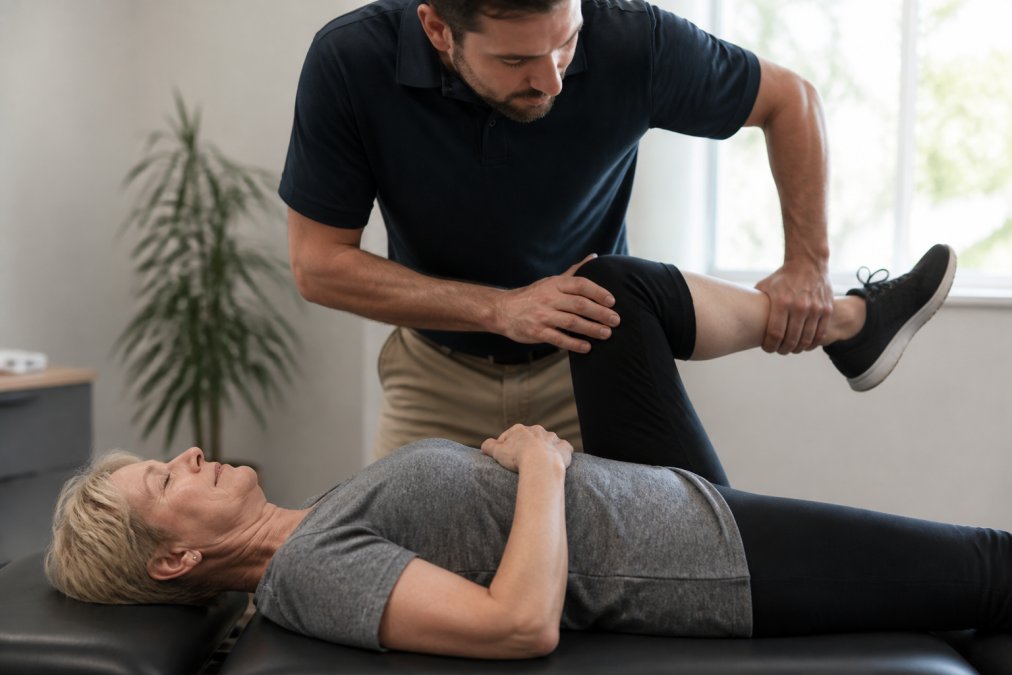
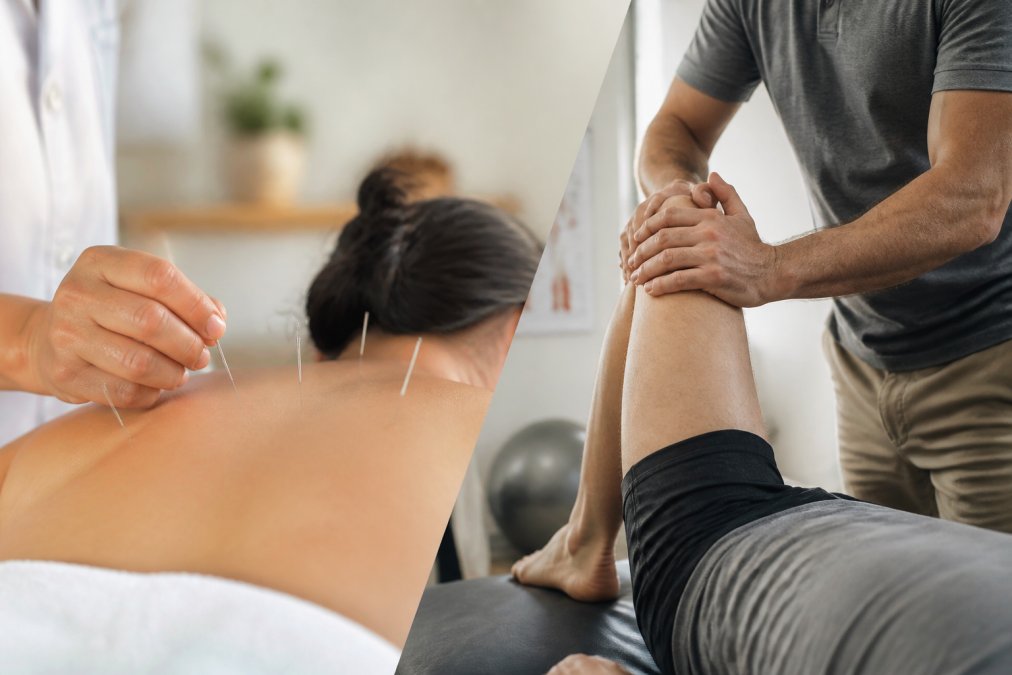
Acupuncture and physical therapy represent fundamentally different approaches to managing joint pain. Acupuncture operates on principles developed over thousands of years, targeting specific points on the body to influence pain signals and promote healing. Physical therapy focuses on restoring function through targeted exercise, movement patterns, and tissue mobilization. The core difference comes down to mechanism: acupuncture works primarily through neurological pathways and inflammatory response, while physical therapy works through tissue adaptation, neuromuscular re-education, and functional restoration.
At Alternative Health & Healing Center, we've worked with patients who've tried one modality alone, only to discover that the other might have been the missing piece. The reality is that these aren't competing options, they're distinct tools with different applications, timelines, and outcomes.
How Acupuncture Works for Pain Relief
Acupuncture reduces joint pain by stimulating specific points on the body that trigger the release of endorphins and other pain-modulating neurotransmitters (peer-reviewed research). When a trained acupuncturist places thin needles at these points, they activate neural pathways that interrupt pain signals traveling to the brain. The needle insertion stimulates sensory nerves, which send signals to the brain and spinal cord, triggering endorphin release. Simultaneously, acupuncture reduces inflammation by modulating the immune response, particularly in chronic conditions like osteoarthritis.
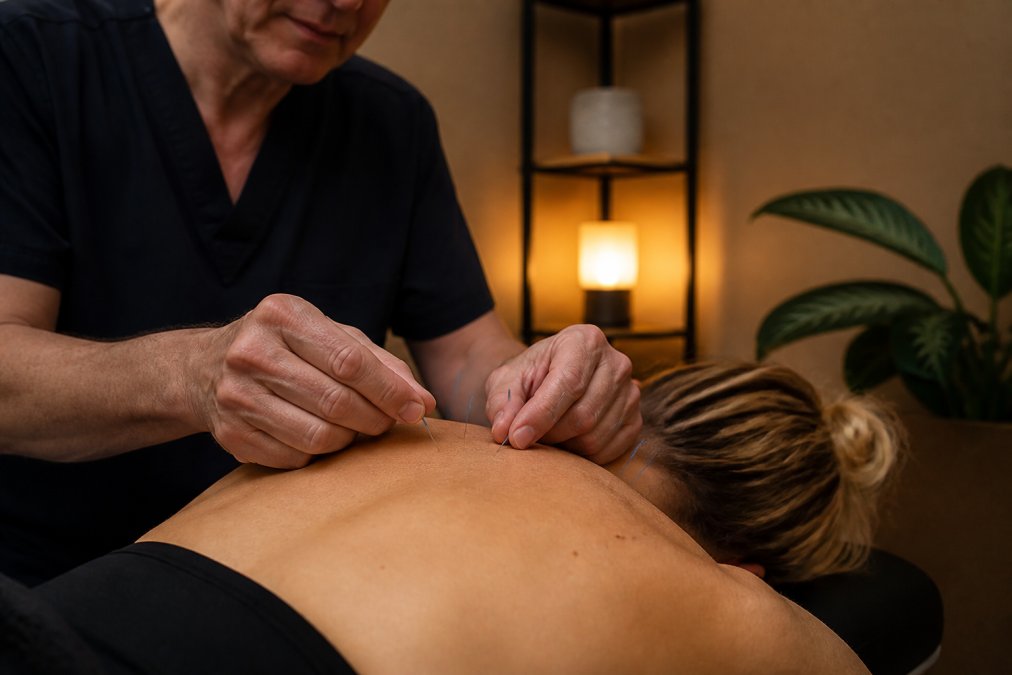
A typical acupuncture session lasts 30-45 minutes, with needles remaining in place for 15-30 minutes. Many people report immediate pain reduction, though the full therapeutic effect often emerges over a series of treatments. However, acupuncture addresses pain and inflammation but doesn't restore movement patterns or muscle strength. A person might feel dramatically better after acupuncture, but if the underlying biomechanical issue remains unaddressed, pain typically returns once treatment stops.
Benefits of Acupuncture for Chronic Pain
For chronic joint pain persisting for months or years, acupuncture offers distinct advantages. First, it provides relief without the systemic side effects of pain medications. People experiencing gastrointestinal issues, dependency concerns, or cognitive effects from long-term medication often find acupuncture offers a genuinely different option.
Second, acupuncture works well for pain that doesn't fit neatly into a single diagnosis. Fibromyalgia, complex regional pain syndrome, and other conditions characterized by widespread or referred pain often respond better to acupuncture than conventional pain management, because it addresses pain perception and nervous system sensitization rather than just local tissue damage.
Third, acupuncture has a cumulative effect. The first treatment might provide 2-3 days of relief, but by the third or fourth treatment, relief often lasts a week or longer. For patients over 45 with longstanding joint issues, acupuncture often becomes part of a maintenance strategy, 1-2 treatments per month keeps pain manageable without escalating medication doses.
How Long Does Physical Therapy Take for Joint Pain
Physical therapy timelines vary based on severity, starting fitness level, and exercise consistency. For straightforward issues like mild knee strain or shoulder impingement, meaningful improvement often appears within 2-4 weeks (apta.org). More complex problems, severe osteoarthritis, or post-surgical rehabilitation typically require 8-12 weeks.
Physical therapy isn't something that happens only in the clinic, it happens at home through daily or near-daily exercise. A typical program involves 2-3 in-clinic sessions per week for 4-8 weeks, combined with 15-30 minutes of home exercises on non-clinic days.
For someone with moderate joint pain starting from limited mobility, expect this timeline:
- Weeks 1-2: Pain reduction through manual therapy and gentle movement
- Weeks 3-4: Improved range of motion as inflammation decreases
- Weeks 5-8: Noticeable strength gains; previously painful activities become easier
- Weeks 9-12: Functional improvements and return to limited activities
- Beyond 12 weeks: Maintenance phase with less frequent but continued exercises
This assumes consistent effort. Sporadic exercise extends timelines significantly.
Physical Therapy's Role in Mobility and Long-Term Recovery
Physical therapy doesn't just reduce pain, it restores the capacity to move, function, and live without limitations. When you have chronic joint pain, your body protects the painful area by limiting movement, favoring one side, or reducing activity. This protection makes sense short-term but creates long-term problems: muscles weaken, movement patterns distort, and joints lose normal range of motion. Physical therapy reverses this spiral by systematically restoring strength, flexibility, and normal movement patterns.
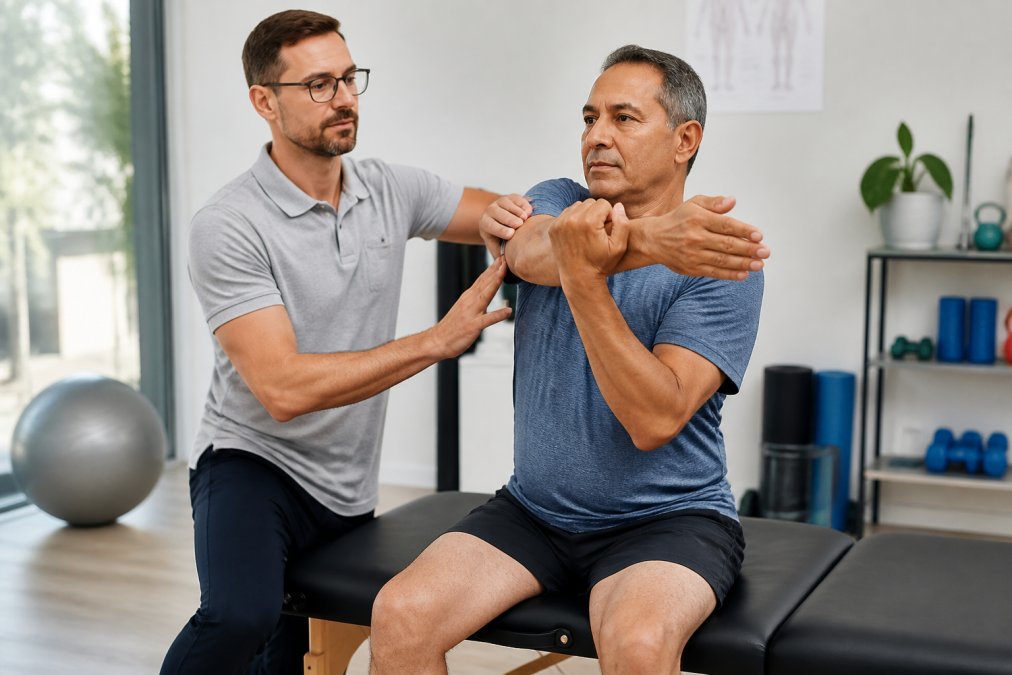
A physical therapist assesses not just the painful joint but how it fits into your entire movement system. Someone with knee pain might actually have weak hip muscles or poor ankle mobility forcing the knee to work abnormally. Comprehensive physical therapy identifies and corrects these underlying dysfunctions.
For long-term recovery, physical therapy provides something acupuncture cannot: a framework for preventing recurrence. Once you've regained strength and mobility, a maintenance program of 10-15 minutes of targeted exercises 3-4 times per week indefinitely prevents the problem from returning. For athletes and active adults, physical therapy often becomes a permanent part of their routine, building resilience rather than just fixing problems.
Integrative Pain Management Strategies: Combining Both Approaches
The most effective pain management strategy often isn't choosing between acupuncture vs physical therapy, it's using both in a coordinated way. Each modality addresses different aspects of the pain problem, and combining them often produces faster and more durable results than either alone.
A typical integrative approach works like this: if pain is severe enough that movement is extremely limited, start with acupuncture to reduce inflammation and pain signals over 3-5 sessions. Once pain is manageable, begin physical therapy to address underlying biomechanical issues. For chronic conditions like osteoarthritis, physical therapy forms the foundation with consistent strengthening work, while acupuncture becomes a supplemental tool during flare-ups.
Alternative Health & Healing Center specializes in this integrative approach. By combining chiropractic care with advanced technology like the Piezo Wave 2 acoustic wave therapy and Applied Kinesiology, we address pain through multiple mechanisms simultaneously. The result is often faster relief and more durable recovery than single-modality treatment typically provides.
For patients with complex conditions, fibromyalgia, autoimmune-related joint pain, or post-surgical complications, integration becomes essential. These conditions don't respond well to single approaches. The combination of pain modulation (acupuncture), functional restoration (physical therapy), and other modalities often produces results that neither approach alone can achieve.
The timeline for integrative treatment is typically 8-12 weeks, with acupuncture in the first 2-3 weeks and physical therapy continuing throughout and beyond.
Choosing the Right Treatment for Your Condition
Deciding between acupuncture vs physical therapy requires understanding your specific situation. The right choice depends on the nature of your pain, how long you've had it, your current activity level, and your capacity to invest time in recovery.
Choose acupuncture first if your pain is acute and severe, you're experiencing a flare-up, inflammation is your primary problem, you're unable to exercise due to pain severity, or you want to reduce medication dependence.
Choose physical therapy first if your pain is chronic and you have time for consistent exercise, movement limitation and weakness are significant factors, you want to prevent recurrence, you're recovering from surgery, or your pain relates to poor movement patterns or muscle imbalances.
Choose both if you have moderate-to-severe chronic pain unresponsive to single approaches, you're dealing with a complex condition, you want the fastest possible recovery, you're post-surgical or post-trauma, or you want to address both immediate pain relief and long-term functional restoration.
Many people benefit from trying acupuncture first, experiencing relief, then adding physical therapy to address underlying issues. This sequence often produces the best outcomes because it meets people where they are, in pain, while building toward lasting recovery.
Chronic joint pain doesn't have to be permanent, and it doesn't have to require escalating medications or invasive procedures. Whether you choose acupuncture, physical therapy, or an integrative combination of both, the key is starting with a clear understanding of what each approach offers. At Alternative Health & Healing Center, our nearly 40 years of clinical experience combined with advanced technology like the Piezo Wave 2 and expertise in Applied Kinesiology allow us to assess your condition comprehensively and recommend the approach most likely to deliver lasting relief. Request an appointment today to discuss which treatment strategy makes sense for your joint pain.
=== FAQ ANSWERS (audit these too, same rules) ===
[1] Q: Can acupuncture and physical therapy be combined safely for joint pain? A: Yes, many patients benefit from combining acupuncture and physical therapy. Acupuncture can reduce pain and inflammation in the short term, while physical therapy builds strength and restores range of motion over the longer term. The two approaches work through different mechanisms, acupuncture stimulates pain modulation and blood flow, while physical therapy addresses biomechanics and muscle function. Coordinate with both practitioners to ensure your treatment plan is integrated. Always disclose all treatments to each provider.
[2] Q: How long does physical therapy typically take to show results for joint pain? A: Most patients notice some improvement within 2-4 weeks of consistent physical therapy sessions, though the timeline depends on your condition's severity and your commitment to home exercises. Chronic conditions or post-surgical rehabilitation may require 8-12 weeks or longer to achieve substantial functional gains. Physical therapy focuses on progressive strengthening and range-of-motion restoration, so results build gradually. Your therapist will establish realistic milestones based on your specific diagnosis.
[3] Q: What are the main benefits of acupuncture for chronic pain? A: Acupuncture addresses chronic pain through several mechanisms: it stimulates endorphin release, reduces inflammation, and modulates pain signals sent to the brain. Many patients experience short-term relief after sessions, improved sleep, and reduced muscle tension. For conditions like osteoarthritis or fibromyalgia, acupuncture can complement other treatments and may reduce reliance on pain medications. Results vary by individual, and some patients require ongoing sessions to maintain benefits.
[4] Q: Who should avoid acupuncture for joint pain? A: Acupuncture is generally contraindicated for patients taking blood thinners, those with severe bleeding disorders, or individuals with active infections at the treatment site. Pregnant women should consult their obstetrician before acupuncture. People with pacemakers or implanted electrical devices should inform their acupuncturist. If you have a fear of needles or certain skin conditions, discuss alternatives with a qualified practitioner. Always disclose your full medical history before treatment.
Frequently Asked Questions
Q: Can acupuncture and physical therapy be combined safely for joint pain?
A: Yes, many patients benefit from combining acupuncture and physical therapy. Acupuncture can reduce pain and inflammation in the short term, while physical therapy builds strength and restores range of motion over the longer term. The two approaches work through different mechanisms, acupuncture stimulates pain modulation and blood flow, while physical therapy addresses biomechanics and muscle function. Coordinate with both practitioners to ensure your treatment plan is integrated. Always disclose all treatments to each provider.
Q: How long does physical therapy typically take to show results for joint pain?
A: Most patients notice some improvement within 2-4 weeks of consistent physical therapy sessions, though the timeline depends on your condition's severity and your commitment to home exercises. Chronic conditions or post-surgical rehabilitation may require 8-12 weeks or longer to achieve substantial functional gains. Physical therapy focuses on progressive strengthening and range-of-motion restoration, so results build gradually. Your therapist will establish realistic milestones based on your specific diagnosis.
Q: What are the main benefits of acupuncture for chronic pain?
A: Acupuncture addresses chronic pain through several mechanisms: it stimulates endorphin release, reduces inflammation, and modulates pain signals sent to the brain. Many patients experience short-term relief after sessions, improved sleep, and reduced muscle tension. For conditions like osteoarthritis or fibromyalgia, acupuncture can complement other treatments and may reduce reliance on pain medications. Results vary by individual, and some patients require ongoing sessions to maintain benefits.
Q: Who should avoid acupuncture for joint pain?
A: Acupuncture is generally contraindicated for patients taking blood thinners, those with severe bleeding disorders, or individuals with active infections at the treatment site. Pregnant women should consult their obstetrician before acupuncture. People with pacemakers or implanted electrical devices should inform their acupuncturist. If you have a fear of needles or certain skin conditions, discuss alternatives with a qualified practitioner. Always disclose your full medical history before treatment.