 comparison
Trifecta Red Light Therapy: An Honest 2026 Review
Table of Contents
- What Is Trifecta Red Light Therapy?
- How Does Red Light Therapy Work for Pain?
- Trifecta Light Pro 450 Bed: Full Review and Verdict
- How Trifecta Compares to Other Red Light Devices
- Red Light Therapy Bed Cost: What Drives the Price
- Full Body Red Light Therapy Side Effects and Safety
- What a Session Looks Like at a Clinic
- Conclusion: Is Trifecta Red Light Therapy Worth It?
- Frequently Asked Questions
Last Updated: September 16, 2026
What Is Trifecta Red Light Therapy?
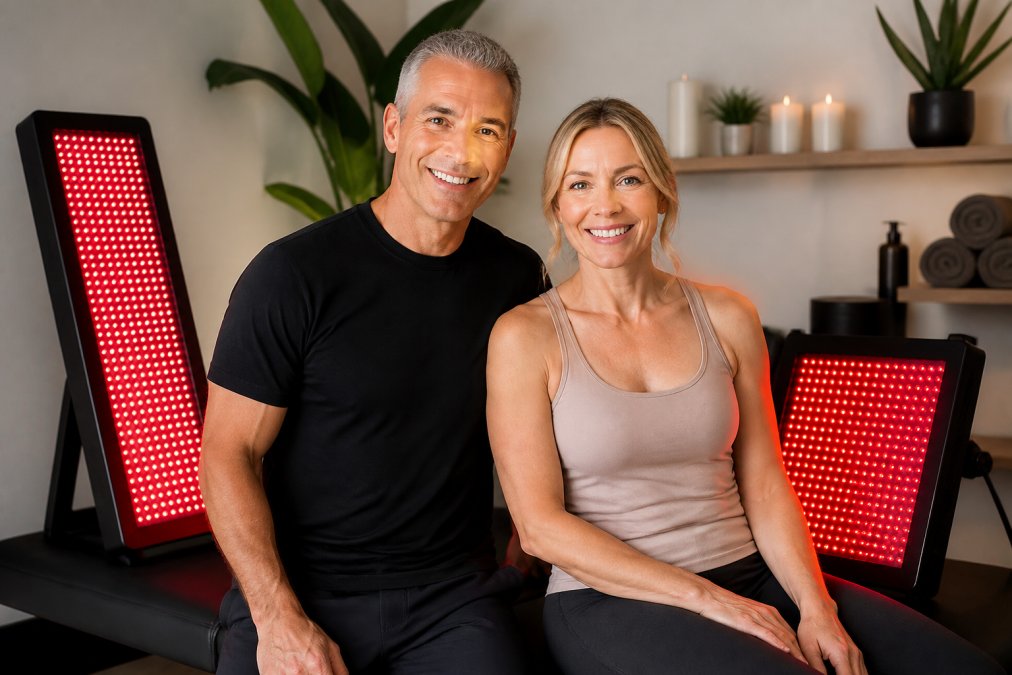
Trifecta red light therapy is a full-body treatment that uses red and near-infrared light to stimulate cellular repair, reduce inflammation, and support pain relief without surgery or medication. This guide examines how the technology works, what it costs, and whether it lives up to the claims.
The therapy belongs to a broader category called photobiomodulation: how specific wavelengths of light interact with human tissue. Unlike topical treatments or oral pain relievers, red light penetrates below the skin's surface to reach muscles, joints, and nerves.
Many clinics offer it as a standalone service or alongside chiropractic care. The appeal: no needles, no downtime, and sessions lasting 10 to 20 minutes.
How Does Red Light Therapy Work for Pain?
Red light therapy reduces pain by stimulating mitochondria, the energy-producing structures inside your cells. When red and near-infrared wavelengths reach these structures, they trigger biological responses that support tissue repair and reduce inflammation.
The process, called photobiomodulation, involves several key mechanisms:
- ATP production increases, giving cells more energy to repair damaged tissue
- Oxidative stress decreases, which reduces cellular damage
- Circulatory boost occurs, bringing more oxygen and nutrients to affected areas
- Inflammation reduction follows, easing the pressure on irritated nerves and joints
This is why the therapy shows promise for arthritis, tendonitis, and chronic muscle tension. The light doesn't mask pain; it addresses underlying cellular dysfunction.
What Happens Inside Your Cells During a Session
During a session, photons penetrate the skin and are absorbed by chromophores within the mitochondria. This triggers a release of nitric oxide, improving blood flow and oxygen delivery to tissue.
The result is a temporary increase in cellular energy supporting the body's natural repair processes. Over a series of sessions, this cumulative effect can measurably improve joint mobility and pain.
Trifecta Light Pro 450 Bed: Full Review and Verdict
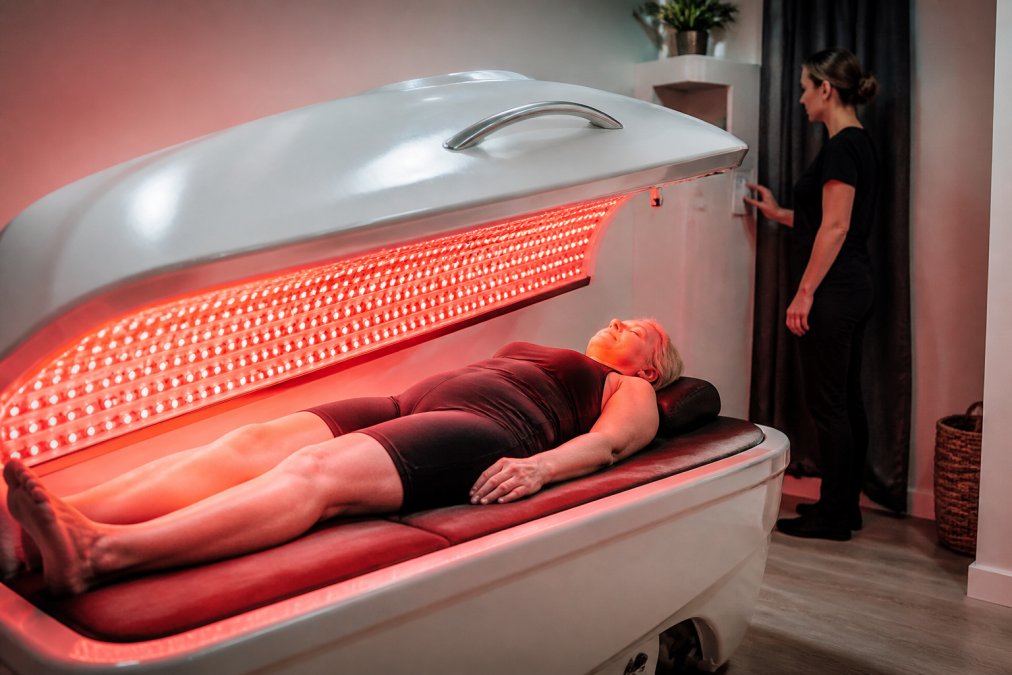
The Trifecta Light Pro 450 Bed is a clinical-grade, full-body red light therapy system for professional use in wellness centers and chiropractic clinics. Its FDA-cleared status distinguishes it from unregulated consumer devices.
What sets this bed apart is full-body coverage. Rather than treating one area at a time with a handheld panel, the Pro 450 surrounds the patient with therapeutic light, treating multiple problem areas simultaneously.
Where it excels:
- Comprehensive full-body coverage in a single session
- FDA-cleared status provides regulatory assurance for clinical use
- Clinical-grade output optimized for inflammatory pathway regulation
Where it falls short:
- High capital investment compared to localized panels
- Not designed for home use; requires clinical oversight
Strengths, Weaknesses, and Who It Fits
The Pro 450 fits best in professional settings where patients need consistent, full-body treatment, chiropractic clinics, sports medicine practices, and wellness centers.
For home users, cost and space requirements make it impractical. A handheld device like the Solawave Facial Device targets facial skin rather than systemic pain.
How Trifecta Compares to Other Red Light Devices
Trifecta's line spans clinical beds and targeted devices, competing with several established options. What matters isn't brand names, it's wavelength, irradiance, coverage area, and regulatory class. Those four variables let you compare any device, including Trifecta's.
The Four Specs That Separate Devices
Wavelength. Red light therapy uses two therapeutic windows: red light around 630-670 nm and near-infrared (NIR) around 810-850 nm. The 660 nm band is absorbed well by skin and superficial tissue, making it the wavelength most associated with collagen production and wound healing. The 850 nm band penetrates deeper, often cited as 2-5 cm depending on skin type and irradiance, targeting muscle, joint, and deep inflammation. A device emitting only 660 nm is a skin device; one emitting only 850 nm skips surface benefits. Full-body clinical beds usually combine both.
Irradiance (power density). Measured in mW/cm², irradiance determines how much energy reaches tissue per second. Consumer panels often run 20-50 mW/cm² at the surface; clinical beds run higher. Higher isn't automatically better, the therapeutic window has an upper bound, and over-delivery can blunt the response, which is why clinical oversight matters.
Coverage area. A handheld device treats a few square inches. A panel treats a torso. A full-body bed treats the entire body in one session, which matters when the goal is systemic, reducing whole-body inflammation or supporting recovery across multiple joints.
Regulatory class. In the U.S., red light devices are typically cleared under FDA premarket notification (510(k)) as Class II devices for indications like pain relief, or marketed as general wellness devices under lower scrutiny. A 510(k)-cleared device has demonstrated substantial equivalence to a predicate device for a stated use; a general wellness device makes no medical claims. Ask which category a device falls into before comparing price.
How the Trifecta Line Fits
| Device | Form Factor | Wavelengths | Best For |
|---|---|---|---|
| Trifecta Light Pro 450 Bed | Full-body bed | Red + NIR (multi-wavelength) | Clinical settings treating systemic pain and inflammation |
| Trifecta Hue Light | Commercial bed | Red + NIR | High-volume facilities needing durability |
| Helio Blaze Panel | Panel | Six wavelengths, nine modes | Home users wanting customizable coverage |
| Solawave Facial Device | Handheld | Red + microcurrent | Facial rejuvenation only |
The Hue Light targets high-volume commercial operations with durability for constant use. The Helio Blaze Panel offers six wavelengths and nine modes for home customization. Solawave focuses on facial anti-aging, pairing red light with microcurrent, a different mechanism entirely.
What to Ask Before You Buy or Book
- Which wavelengths does the device emit, and at what irradiance?
- Is it FDA-cleared for a specific indication, or marketed as a general wellness device?
- What is the treatment area per session, a joint, a region, or the whole body?
- What is the recommended session frequency and total course length?
A full-body chamber addresses systemic issues; a handheld device treats localized concerns.
Red Light Therapy Bed Cost: What Drives the Price
Several factors influence pricing:
- Number of wavelengths: Devices with multiple therapeutic wavelengths cost more
- Coverage area: Full-body beds cost more than panels or handhelds
- Power output: Clinical-grade intensity requires more sophisticated components
- Regulatory clearance: FDA-cleared devices undergo testing that adds to development costs
- Durability: Commercial-grade construction for high-frequency use adds expense
Full Body Red Light Therapy Side Effects and Safety
Full body red light therapy side effects are generally mild and temporary.
Why Contraindications Exist
Red light therapy delivers photons absorbed by chromophores in tissue.
Absolute and Relative Contraindications
Photosensitivity disorders and photosensitizing medications. If you have lupus, porphyria, or polymorphous light eruption, or take medications that increase light sensitivity, certain antibiotics (tetracyclines, fluoroquinolones), isotretinoin, some diuretics, and St.
What to Disclose Before Your First Session
What a Session Looks Like at a Clinic
A typical session begins with a brief consultation to identify target areas and confirm no contraindications.
Conclusion: Is Trifecta Red Light Therapy Worth It?
Trifecta red light therapy offers a legitimate, FDA-cleared option for pain management and tissue repair, but it's not a miracle cure.
Frequently Asked Questions
What is trifecta red light therapy?
Trifecta red light therapy uses a clinical-grade, full-body bed such as the Trifecta Light Pro 450 to deliver red and near-infrared light across the whole body at once. The light is absorbed by mitochondria, the energy centers of your cells, which supports ATP production, collagen production, and inflammation reduction. Clinics use it for joint pain relief, muscle recovery, skin rejuvenation, and general wellness and recovery. It is non-invasive, and the bed holds FDA-cleared status for its intended clinical use.
How much does a trifecta red light therapy bed cost?
Bed pricing depends on the model, wavelength configuration, and whether you buy for a clinic or a home. Trifecta does not publish prices publicly, and one comparable commercial bed, the Trifecta Hue Light, is listed at $55,000. For home devices, the Solawave facial tool starts around $200, and the Helio Blaze Panel is quote-based. For current figures, request a quote from the manufacturer or ask your clinic about per-session rates.
How does red light therapy work for pain?
Red and near-infrared light penetrate the skin and reach deeper tissue, where they stimulate mitochondria and raise ATP production. That cellular energy supports tissue repair, reduces oxidative stress, and calms inflammation, which is why it is used for joint pain relief and muscle recovery. Photobiomodulation also supports a circulatory boost that helps clear metabolic waste. Most protocols run 10 to 20 minutes per session, several times a week, with effects building over multiple visits rather than after one.
What are the full body red light therapy side effects?
Full body red light therapy side effects are usually mild. Some people report temporary redness, warmth, or slight skin sensitivity right after a session. Rarely, headache, dizziness, or eye strain occurs if protective eyewear is not used. Sessions should be avoided over suspicious skin lesions, during pregnancy without medical clearance, and by anyone taking photosensitizing medication. Tell your clinician about all medications and conditions before your first session.
Is red light therapy FDA-cleared for pain management?
Some red light devices hold FDA clearance for specific indications, and the Trifecta Light Pro 450 is described as FDA-cleared for safety and efficacy in clinical settings. Clearance is device- and indication-specific, so it does not mean every red light product on the market is cleared for pain management or weight loss. Ask the clinic which device they use and what it is cleared for. Red light therapy is not a cure, and it works best as part of a broader treatment plan.