 comparison
Applied Kinesiology vs Chiropractic Care
Table of Contents
- Applied Kinesiology vs Chiropractic Care: Key Differences
- How Manual Muscle Testing Works in Applied Kinesiology
- Traditional Chiropractic Adjustments and Spinal Manipulation
- Diagnostic and Therapeutic Approaches: What Sets Them Apart
- What to Expect During an Applied Kinesiology Session
- How to Restore Body Function Naturally with Integrative Care
- Choosing Between Applied Kinesiology and Chiropractic Care
- Conclusion
- Frequently Asked Questions
Last Updated: August 28, 2026
Applied Kinesiology vs Chiropractic Care: Key Differences
Applied kinesiology and chiropractic care represent two distinct approaches to musculoskeletal health. Chiropractic care primarily focuses on spinal alignment and nervous system function through manual adjustments, while applied kinesiology uses manual muscle testing to identify underlying imbalances across structural, biochemical, and emotional systems (peer-reviewed research).
At Alternative Health & Healing Center, we understand that patients often arrive uncertain about which approach serves their specific condition. Applied kinesiology vs chiropractic care isn't about one being universally superior, it's about matching the right method to the right problem. A patient with acute lower back pain from a sports injury may benefit most from direct spinal manipulation, while someone with chronic fatigue, digestive issues, and muscle weakness alongside their pain might find applied kinesiology's systemic diagnostic approach more revealing.
The distinction matters because it changes how practitioners assess your condition. Chiropractic adjustments deliver immediate mechanical relief by repositioning vertebrae and reducing nerve compression. Applied kinesiology investigates why the misalignment occurred, whether nutritional deficiencies, organ dysfunction, or emotional stress created the structural problem.
How Manual Muscle Testing Works in Applied Kinesiology
Manual muscle testing is the cornerstone diagnostic technique in applied kinesiology, fundamentally different from orthopedic muscle strength testing. Rather than measuring force production, applied kinesiology practitioners use muscle testing as a biofeedback mechanism to detect neurological patterns and systemic imbalances.
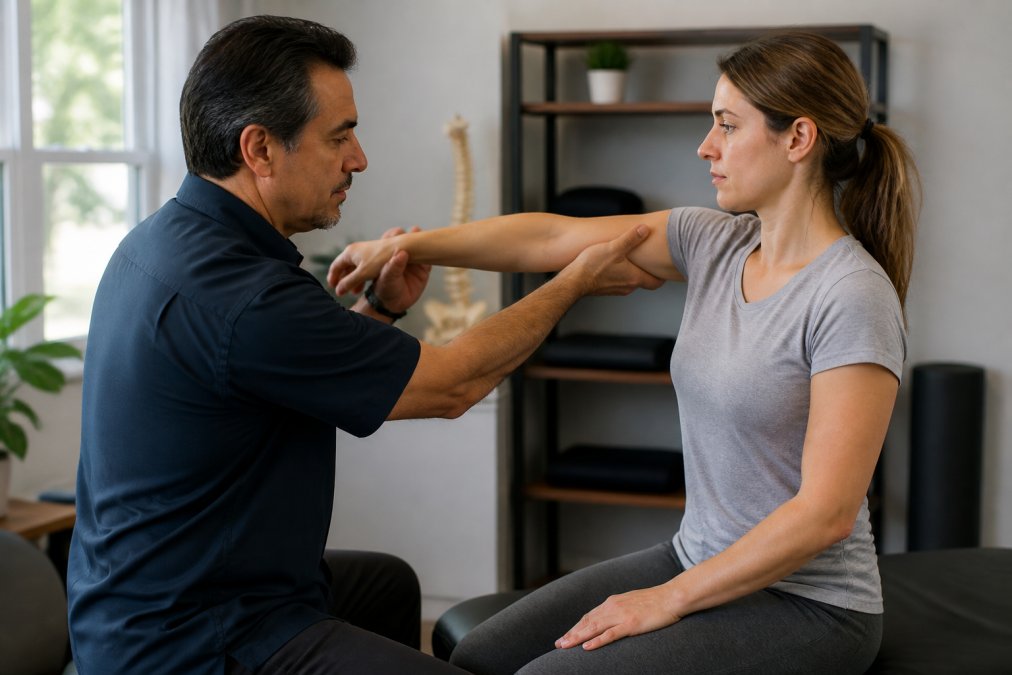
During a muscle test, the practitioner applies gentle, consistent pressure to a specific muscle group while the patient resists. The practitioner observes whether the muscle "locks" (holds firm) or "goes weak" (releases). A weak response in a muscle that should test strong may indicate a problem in a related organ system, nutritional deficiency, or structural misalignment. This neurological feedback mechanism allows practitioners to map connections between seemingly unrelated symptoms.
Applied kinesiology proposes that muscles have direct relationships with organs and acupuncture meridians (peer-reviewed research). A weak psoas muscle might correlate with kidney function issues; a weak pectoralis muscle could reflect small intestine dysfunction. These organ-muscle relationships form the theoretical foundation for how practitioners interpret muscle testing results and develop treatment plans.
What distinguishes applied kinesiology from traditional chiropractic is the breadth of diagnostic information gathered. While a chiropractor uses X-rays, palpation, and orthopedic tests to assess spinal alignment, an applied kinesiology practitioner uses muscle testing to evaluate nutritional status, organ function, emotional stressors, and structural problems simultaneously.
Traditional Chiropractic Adjustments and Spinal Manipulation
Chiropractic care centers on the premise that vertebral subluxations (misalignments) interfere with nerve function and cause pain and dysfunction. Chiropractors use spinal manipulation, direct, controlled force applied to joints, to restore proper alignment and remove nerve interference. This mechanical approach has a clear cause-and-effect mechanism that's easier to measure than applied kinesiology's systemic diagnostic model.
A standard chiropractic adjustment involves identifying a misaligned vertebra, positioning the patient, and delivering a quick thrust to restore proper joint mechanics. Many patients report immediate relief. The adjustment reduces nerve compression, improves joint mobility, and triggers reflex relaxation in supporting muscles. For acute pain from sports injuries, motor vehicle accidents, or repetitive strain, this mechanical correction often provides rapid symptom relief.
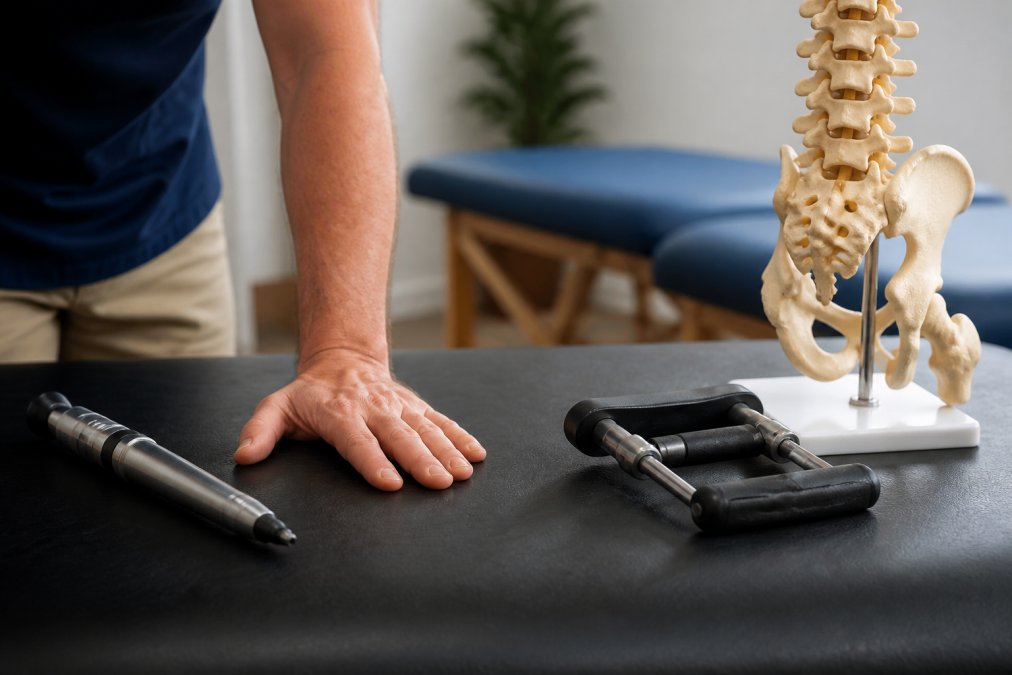
Traditional chiropractic adjustments come in several variations. The Diversified technique uses hands-on thrusting to individual vertebrae. The Activator method employs a handheld spring-loaded instrument for gentler, controlled impulses. Gonstead technique involves detailed vertebral analysis before precise, targeted adjustments. Each approach aims to restore spinal alignment and nervous system function.
The strength of chiropractic care lies in its mechanical clarity. Imaging confirms misalignment, palpation locates the problem, and the adjustment corrects it. This straightforward cause-and-effect model works exceptionally well for structural problems: a herniated disc pressing on a nerve, a facet joint locked in poor position, or vertebral rotation restricting mobility. Patients with acute mechanical pain often see results within a few sessions.
However, traditional chiropractic reaches its limits with systemic problems. A patient whose pain stems from nutritional deficiency, organ dysfunction, or chronic inflammation might improve temporarily after an adjustment, only to have symptoms return because the underlying cause remains unaddressed.
Diagnostic and Therapeutic Approaches: What Sets Them Apart
The diagnostic philosophies underlying applied kinesiology vs chiropractic care diverge significantly. Chiropractic diagnosis relies on palpation, orthopedic testing, and imaging to identify structural problems. The chiropractor looks for vertebral misalignment, joint restrictions, muscle imbalances, and nerve compression, localized to the musculoskeletal and nervous systems.
Applied kinesiology diagnosis expands the scope dramatically. Beyond structural assessment, practitioners use muscle testing to evaluate nutritional status, organ function, acupuncture meridian balance, and emotional stressors. A patient arriving with neck pain might reveal underlying kidney dysfunction, magnesium deficiency, and unresolved emotional trauma through muscle testing, all contributing to the structural problem.
The therapeutic approaches follow logically from these diagnostic differences. Chiropractic therapy focuses on mechanical interventions: spinal manipulation, joint mobilization, soft tissue therapy, and corrective exercises. Applied kinesiology therapy integrates multiple modalities based on muscle testing results: spinal manipulation, nutritional supplementation, acupuncture point stimulation, cranial bone adjustments, reflex point therapy, and emotional release techniques.
A patient with acute mechanical back pain typically needs what chiropractic offers: direct structural correction. A patient with chronic pain unresponsive to months of chiropractic care might benefit from applied kinesiology's investigation into nutritional deficiencies, organ dysfunction, or emotional factors perpetuating the problem.
What to Expect During an Applied Kinesiology Session
An applied kinesiology session typically lasts 45 to 60 minutes and follows a structured diagnostic and therapeutic protocol (peer-reviewed research). The session begins with a detailed health history covering current symptoms, past injuries, medical conditions, medications, and lifestyle factors.
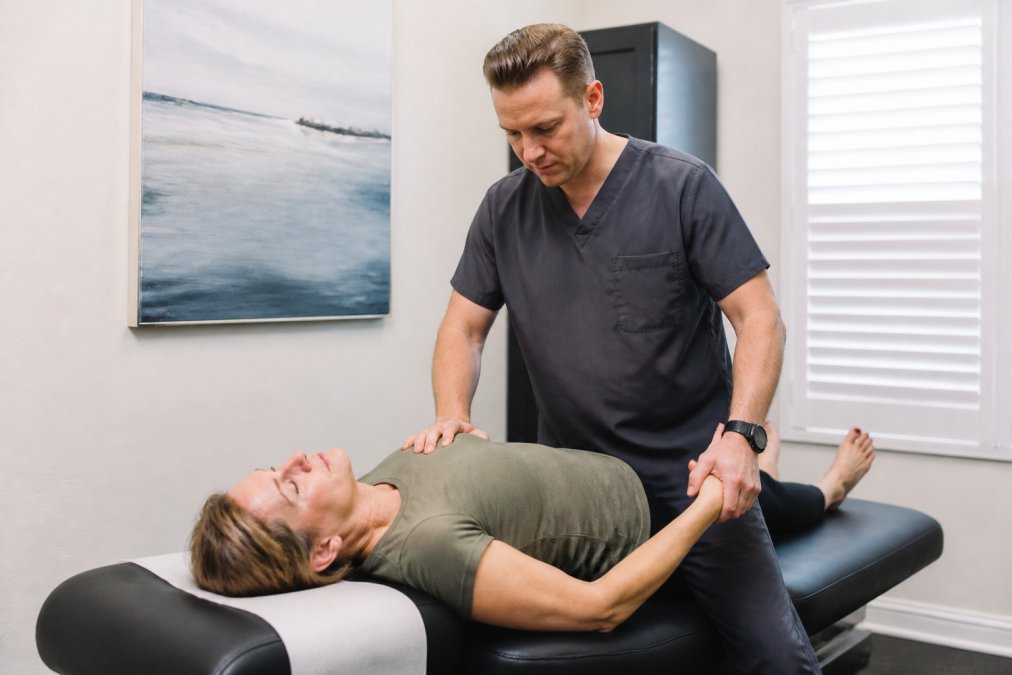
Once the history is complete, the practitioner begins systematic muscle testing. You'll be positioned lying down or seated while the practitioner applies gentle pressure to various muscle groups as you resist. They're observing whether each muscle "locks" (responds normally) or "goes weak" (indicates a problem). The pressure is light and controlled, assessing neurological response rather than measuring force.
As muscle testing reveals patterns, the practitioner may introduce test substances or concepts, holding a nutritional supplement while being tested, thinking about a specific emotion, or having pressure applied to acupuncture points. These tests help identify whether nutritional factors, emotional stressors, or meridian imbalances contribute to muscle weakness patterns.
Once testing is complete, the practitioner develops a treatment plan addressing identified imbalances. This might include spinal or extremity adjustments, acupuncture point stimulation, nutritional recommendations, dietary modifications, and exercises targeting specific weaknesses. Treatment sessions often feel different from chiropractic visits, incorporating multiple gentle and more forceful interventions alongside instructional components.
How to Restore Body Function Naturally with Integrative Care
Restoring body function naturally requires addressing multiple systems: structural alignment, nutritional status, organ function, nervous system regulation, and emotional patterns. This integrative approach distinguishes modern applied kinesiology from traditional chiropractic, which focuses primarily on structural correction.
Chronic pain rarely stems from a single cause. A patient with persistent neck pain might have vertebral misalignment (structural), magnesium deficiency (biochemical), liver dysfunction (organ), sympathetic nervous system dominance (neurological), and unresolved emotional tension (psychological). Addressing only the vertebral misalignment provides temporary relief because underlying factors perpetuate the problem.
Structural alignment forms the foundation through proper spinal alignment that reduces nerve compression and improves circulation. Nutritional assessment addresses biochemical imbalances; applied kinesiology practitioners use muscle testing to identify nutrient deficiencies like magnesium, calcium, and B vitamins that weaken muscles and perpetuate structural problems. Organ function directly influences musculoskeletal health through neurological pathways; improving kidney function, for example, can reduce back pain because the kidney meridian connects to the psoas muscle and lumbar spine. Nervous system regulation through techniques like biofeedback and cranial bone adjustments helps shift the body from sympathetic dominance to parasympathetic balance. Emotional release work acknowledges that trauma and stress create muscle tension patterns and perpetuate pain.
| Component | Focus | Methods | Expected Outcome |
|---|---|---|---|
| Structural | Alignment, mobility, nerve compression | Spinal manipulation, joint mobilization, corrective exercises | Reduced pain, improved range of motion |
| Biochemical | Nutritional status, organ function | Muscle testing, supplementation, dietary modification | Improved energy, reduced inflammation |
| Neurological | Nervous system balance, reflex function | Acupuncture points, cranial adjustments, biofeedback | Reduced muscle tension, improved relaxation |
| Emotional | Stress patterns, trauma resolution | Emotional release, breathing work, mindfulness | Reduced anxiety, improved resilience |
Choosing Between Applied Kinesiology and Chiropractic Care
The choice between applied kinesiology vs chiropractic care depends on your specific condition, symptom duration, and previous treatments.
Choose chiropractic care if:
- Your pain is acute (recent onset from a clear injury)
- You have mechanical symptoms: sharp pain with specific movements, numbness/tingling from nerve compression, or obvious postural problems
- You want rapid symptom relief from direct structural correction
- You prefer a straightforward, evidence-based mechanical approach
Choose applied kinesiology if:
- Your pain is chronic (persisting despite previous treatment)
- You have complex, multi-system symptoms: pain alongside digestive issues, fatigue, hormonal problems, or mood changes
- You suspect nutritional deficiencies or organ dysfunction contributing to your pain
- You've tried chiropractic care but symptoms keep returning
- You want investigation into root causes rather than just symptom management
Consider both approaches if:
- You have both acute structural problems and chronic systemic issues
- You want immediate relief combined with long-term root-cause treatment
- You're dealing with post-surgical recovery requiring structural rehabilitation plus systemic support
Many patients benefit from sequential or combined treatment. Initial chiropractic care addresses acute pain and restores basic structural alignment. Once the acute phase resolves, applied kinesiology investigates why the problem developed and addresses underlying imbalances to prevent recurrence.
At Alternative Health & Healing Center, we combine both approaches. Our nearly 40 years of clinical experience allow us to assess whether your condition requires primarily structural correction, systemic investigation, or an integrated approach. We use advanced technology like the Piezo Wave 2 for tissue healing alongside applied kinesiology's diagnostic protocols.
Conclusion
Applied kinesiology vs chiropractic care represents a choice between two complementary but distinct approaches. Chiropractic care excels at mechanical problems, direct structural correction through spinal manipulation delivers rapid relief for acute pain. Applied kinesiology investigates broader systemic factors: nutritional deficiencies, organ dysfunction, nervous system imbalance, and emotional stress that perpetuate chronic pain.
The most effective approach often combines both perspectives. Structural alignment provides the foundation for healing, while systemic investigation ensures lasting results. If you're dealing with chronic pain unresponsive to previous treatment, or if you suspect underlying nutritional or systemic factors, applied kinesiology's comprehensive diagnostic approach offers insights that mechanical treatment alone might miss.
If you're struggling with chronic pain, sports injuries, or complex systemic health issues, Alternative Health & Healing Center is ready to help. Our team specializes in applied kinesiology combined with advanced therapeutic modalities, including Piezo Wave 2 technology for accelerated tissue healing. We've spent nearly 40 years developing integrative protocols that address structural, biochemical, and neurological factors. Request an appointment today to discover how our comprehensive approach can restore your body function and get you back to the life you want to live.
Frequently Asked Questions
What is the fundamental difference between applied kinesiology and traditional chiropractic care?
Applied kinesiology uses manual muscle testing as a diagnostic tool to identify structural, biochemical, and neurological imbalances throughout the body. Traditional chiropractic focuses primarily on spinal alignment and uses adjustments to correct subluxations. While both approaches address musculoskeletal health, applied kinesiology incorporates neurological feedback and systemic assessment, whereas chiropractic emphasizes spinal manipulation and alignment as the foundation for body healing.
Does applied kinesiology replace standard chiropractic adjustments?
Applied kinesiology and chiropractic adjustments serve different diagnostic and therapeutic purposes. Applied kinesiology uses muscle testing to identify root causes of dysfunction, while chiropractic adjustments directly address vertebral misalignment. Many practitioners, including those at integrative clinics, combine both methods. Applied kinesiology helps determine which areas need treatment, while adjustments deliver targeted relief. They complement rather than replace each other in a comprehensive treatment plan.
How can integrative chiropractic care help restore body function naturally?
Integrative chiropractic combines applied kinesiology, soft tissue therapy, and spinal manipulation to address root causes rather than just symptoms. By using muscle testing to identify systemic imbalances and neurological dysfunction, practitioners can target treatment to restore nervous system regulation and structural alignment. This holistic approach addresses the organ-muscle relationship and works with your body's natural healing mechanisms, supporting preventative care and long-term functional improvement without relying solely on medication or invasive procedures.
Is applied kinesiology recognized as a standard diagnostic tool in the medical community?
Applied kinesiology remains controversial in conventional medicine. While many chiropractors and alternative health practitioners use muscle testing successfully for diagnostic purposes, the medical community has not adopted it as a standard diagnostic tool. However, practitioners report strong clinical efficacy in identifying functional imbalances and guiding treatment. If you have specific health concerns, consult with a qualified healthcare provider to discuss whether applied kinesiology is appropriate for your situation alongside conventional medical evaluation.