 ultimate-guide
Anti-Inflammatory Meal Plan for Arthritis Patients
Table of Contents
- What is an Anti-Inflammatory Diet for Arthritis?
- Foods That Trigger Arthritis Inflammation: What to Avoid
- Best Anti-Inflammatory Foods to Eat Daily
- Your 7-Day Anti-Inflammatory Meal Plan
- Your Anti-Inflammatory Diet Grocery List
- Budget-Friendly Shopping and Cooking Tips
- Holistic Pain Management for Arthritis: Diet and Beyond
- Conclusion
- Frequently Asked Questions
Last Updated: September 4, 2026
What is an Anti-Inflammatory Diet for Arthritis?
An anti-inflammatory diet for arthritis patients is a pattern of eating centered on whole, unprocessed foods that help reduce inflammatory markers and manage joint pain. It prioritizes foods rich in omega-3 fatty acids, antioxidants, and dietary fiber while limiting items known to trigger systemic inflammation.
Research increasingly points to diet as a meaningful lever in managing symptoms. At Alternative Health & Healing Center, we understand how an anti-inflammatory meal plan can support overall wellness when paired with holistic chiropractic care. The goal is a sustainable shift toward foods that nourish the body and calm the immune response.
Certain foods can either encourage or discourage inflammation. Sugary snacks and refined carbohydrates can spike blood sugar and promote inflammatory activity, while colorful vegetables and fatty fish supply nutrients to fight oxidative stress. Below, we show you how to build a practical meal plan, what to avoid, and how to shop on a budget.
Foods That Trigger Arthritis Inflammation: What to Avoid
Eliminating pro-inflammatory foods is just as critical as eating more salmon and spinach.
Refined carbohydrates like white bread and pastries have a high glycemic index and cause rapid blood sugar spikes. Saturated fats in red meat and full-fat dairy, plus trans fats in processed snacks and fried foods, are linked to higher C-reactive protein levels (peer-reviewed research). Added sugars in sodas and sweets are a primary driver of systemic inflammation.
| Trigger Foods | Why They Matter | Simple Swap |
|---|---|---|
| Sugary beverages | Spike blood sugar, promote inflammation | Sparkling water with lemon |
| Processed meats | High in saturated fats and additives | Grilled chicken or fish |
| Refined white bread | High glycemic index, low fiber | Whole grain or sprouted bread |
| Fried foods | Contain trans fats | Baked or air-fried alternatives |
Many "low fat" or "diet" labeled foods compensate for reduced fat with high amounts of sugar, which can be just as inflammatory. Reading labels for added sugars and hydrogenated oils is a habit worth building.
Best Anti-Inflammatory Foods to Eat Daily
Fatty fish such as salmon, sardines, and mackerel are excellent sources of omega-3 fatty acids, which help reduce joint stiffness (PubMed). For plant-based protein, walnuts, chia seeds, and flaxseeds offer a solid alternative.
Leafy greens like spinach and kale, along with cruciferous vegetables such as broccoli and Brussels sprouts, are packed with antioxidants. Extra virgin olive oil is a staple for cooking and dressings. Spices like turmeric and ginger contain compounds that may ease inflammation.
Here are the foods to prioritize daily:
- Fatty fish (salmon, sardines) for omega-3s
- A rainbow of vegetables, especially leafy and cruciferous types
- Whole fruits like berries and cherries
- Legumes and beans for plant-based protein and fiber
- Whole grains like quinoa and brown rice
- Healthy fats from olive oil, avocados, and nuts
A diet rich in dietary fiber feeds beneficial gut bacteria, which play a significant role in regulating the body's inflammatory response.
Your 7-Day Anti-Inflammatory Meal Plan
This 7-day anti-inflammatory meal plan provides roughly 1,800 to 2,000 calories per day. Each day follows a simple template: a palm-sized portion of lean protein, a thumb-sized portion of healthy fat, and half your plate filled with non-starchy vegetables.
Days 1-3: Getting Started
The first few days are about establishing the routine. Stick to the template of a protein, a healthy fat, and a generous serving of vegetables at each meal.
- Day 1: Breakfast with oatmeal topped with berries and walnuts. Lunch is a large salad with grilled chicken, avocado, and olive oil dressing. Dinner features baked salmon with steamed broccoli and quinoa.
- Day 2: Start with a green smoothie made with spinach, banana, and chia seeds. For lunch, have a bowl of lentil soup with a side of mixed greens. Dinner is stir-fried tofu with a variety of colorful bell peppers over brown rice.
- Day 3: Breakfast is Greek yogurt (or a coconut-based alternative) with sliced almonds. Lunch is tuna salad (made with olive oil, not mayo) in lettuce wraps. Dinner is grilled shrimp with roasted asparagus and sweet potato.
Days 4-7: Building Momentum
By day four, you will likely feel less bloated and more energetic. Experiment with spices like turmeric and ginger to enhance flavor without salt.
- Day 4: Omelet with spinach and mushrooms for breakfast. Lunch is a quinoa bowl with chickpeas, cucumber, and a lemon-tahini dressing. Dinner is baked cod with a side of sautéed kale and wild rice.
- Day 5: Smoothie bowl with frozen berries and unsweetened coconut. Lunch features leftover cod on a bed of arugula. Dinner is a turkey and vegetable chili with kidney beans.
- Day 6: Breakfast is whole-grain toast with smashed avocado and a poached egg. Lunch is a chicken and vegetable soup. Dinner is grilled chicken breast with a large garden salad and roasted beets.
- Day 7: Pancakes made with almond flour and topped with fresh fruit. Lunch is a big salad with sardines or mackerel. Dinner is a vegetable curry with chickpeas served over basmati rice.
Beyond the Menu: Portions, Prep, and Flexibility
Here’s how to make this plan work in the real world.
Portion Guide: A standard serving of protein is about the size of your palm. A serving of cooked grains is about the size of your fist. Healthy fats like avocado or nuts should be about the size of your thumb.
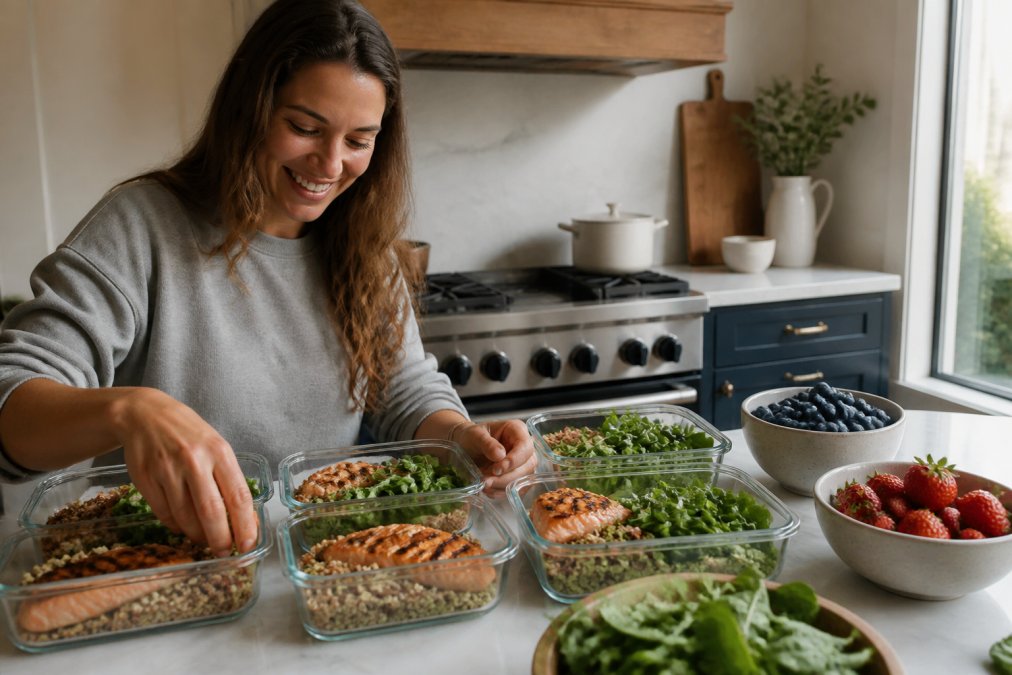
Prep for Success: Dedicate 90 minutes on a Sunday to batch-prepare key components. Cook a large batch of quinoa and brown rice, grill chicken and salmon, hard-boil eggs for snacks, and chop salad greens.
Smart Substitutions: If you don't like fish, replace it with more legumes or lean poultry. If you're sensitive to nightshades, swap them for extra zucchini or carrots.
A Note on Portion Control and Weight Management
Excess weight puts additional mechanical stress on weight-bearing joints like the knees and hips. This plan is satiating thanks to its high fiber and protein content, which helps regulate appetite. For weight loss, reduce your portion of grains by a quarter and increase vegetables. reduce finger arthritis pain.
Your Anti-Inflammatory Diet Grocery List
Shopping with a list is the difference between a successful week and a trip to the drive-thru. This grocery list is organized by store section, but the most valuable skill is knowing how to shop strategically, reading labels, finding budget-friendly alternatives, and avoiding hidden inflammatory ingredients.
The Core Shopping List
- Produce: Spinach, kale, broccoli, bell peppers, onions, garlic, lemons, limes, berries, avocado, sweet potatoes.
- Protein: Fresh or frozen salmon, sardines, cod, chicken breast, turkey, eggs, firm tofu.
- Grains & Legumes: Quinoa, brown rice, oats, lentils, chickpeas, black beans.
- Pantry: Extra virgin olive oil, walnuts, almonds, chia seeds, turmeric, ginger, cinnamon.
- Dairy Alternatives: Unsweetened almond milk, coconut yogurt.
The Budget-Friendly Shopping Strategy
You can eat this way on a budget with a few key strategies:
- Frozen Over Fresh: Frozen vegetables and berries are picked at peak ripeness and flash-frozen, often surpassing 'fresh' counterparts that have traveled for days. They are cheaper, last longer, and reduce waste.
- Canned Protein Powerhouses: Canned sardines, salmon, and mackerel are low-cost sources of omega-3s. Look for varieties packed in water or olive oil. Limit canned tuna to a few times a week due to mercury concerns.
- Buy in Bulk: Oats, brown rice, quinoa, and dried beans are dramatically cheaper from bulk bins. Buy exactly the amount you need.
- Seasonal and Local: In-season produce is always cheaper. Visit farmers' markets in the last hour for the best deals, and don't overlook 'ugly' produce.
The Label-Reading Rule: The 5-Ingredient Test
Read the ingredient list, not just the nutrition facts panel. If a packaged food has more than five ingredients, or if you can't pronounce any of them, it's likely not a whole food. Here’s what to look for and avoid:
- Hidden Sugars: Sugar hides under many names. Watch for anything ending in '-ose' (dextrose, maltose, sucrose), as well as corn syrup, honey, and agave nectar. The FDA's updated Nutrition Facts label now requires 'Added Sugars' to be listed, making it easier to spot.
- Inflammatory Oils: Soybean oil, corn oil, and canola oil are often used in processed foods and are high in omega-6 fatty acids, which can promote inflammation when consumed in excess. Look for products made with extra virgin olive oil, avocado oil, or coconut oil instead.
- Refined Grains: The first ingredient should ideally be a whole grain. 'Enriched wheat flour' is a code for refined white flour.
Cooking Methods for Maximum Nutrient Retention
How you cook your food is just as important as what you buy. Certain methods destroy heat-sensitive vitamins, while others enhance the bioavailability of anti-inflammatory compounds.
- Steaming: This best preserves water-soluble vitamins. A study in the Journal of the Science of Food and Agriculture found steaming broccoli retained significantly more glucosinolates than boiling or stir-frying (peer-reviewed research).
- Roasting: Roast at 400°F or higher to caramelize natural sugars. Toss in extra virgin olive oil and roast until tender.
- Sautéing: Use a small amount of olive or avocado oil over medium heat. Be careful not to burn the oil, which creates harmful compounds.
- Avoid Boiling: Boiling leaches water-soluble vitamins into the water. If you must boil, use the cooking water as a soup or sauce base.
- Enhancing with Fat: Fat-soluble compounds like lycopene and curcumin are absorbed better with a fat source. Pair them with olive oil, avocado, or nuts.
Budget-Friendly Shopping and Cooking Tips
Eating well does not have to be expensive. Frozen vegetables and fish are often just as nutritious as fresh, and they are significantly cheaper and reduce food waste.
Buy staples like oats, rice, and beans in bulk. Canned sardines and salmon are budget-friendly omega-3 sources. Buy produce in season and at local farmers' markets. Steaming or roasting preserves more vitamins than boiling.
Cooking at home is the most effective way to control what goes into your food. Restaurant meals are often cooked with inflammatory oils and heavy salt. Meal prepping ensures a compliant meal is ready when hunger strikes. For those managing chronic pain, use a stool at the counter or prep in batches when you feel your best.
Holistic Pain Management for Arthritis: Diet and Beyond
Diet is a cornerstone, but only one piece of the puzzle. Holistic pain management also includes physical activity, stress reduction, and proper medical care. Gentle exercises like swimming or walking maintain joint mobility, while yoga and tai chi improve flexibility and reduce pain perception.
While an anti-inflammatory meal plan addresses the internal environment, hands-on therapies address the structural and muscular components of joint pain. Integrative approaches combining dietary changes with chiropractic adjustments can provide comprehensive relief.
Patients in the Naples area may find that combining nutritional changes with professional care yields beneficial results. The team at Alternative Health & Healing Center, with nearly 40 years of clinical experience, offers integrative chiropractic care to support musculoskeletal health. Dietary changes can interact with certain medications, so discussing significant shifts with your physician is necessary.
Conclusion
Adopting an anti-inflammatory meal plan is a significant step toward taking control of your joint health. It requires planning, label reading, and experimentation, but the payoff in reduced stiffness and improved energy is substantial. Start small and be patient with your body as it adapts.
Dietary changes work best as part of a broader commitment to wellness. If you are struggling with persistent joint pain in Southwest Florida, combining nutritional therapy with professional holistic care may offer relief. At Alternative Health & Healing Center, our team specializes in Applied Kinesiology and advanced therapeutic modalities designed to restore healthy body functioning.
Get started with Alternative Health & Healing Center and explore how an integrative approach can complement your anti-inflammatory diet on the path to lasting relief. Request an appointment to discuss a personalized strategy for your health journey.
Frequently Asked Questions
How quickly can an anti-inflammatory meal plan help with joint pain?
Some people notice changes in joint stiffness and energy levels within two to four weeks of consistently following an anti-inflammatory eating pattern. However, arthritis is complex, and results vary. The diet works by reducing inflammatory markers like C-reactive protein over time, not overnight. Give your body at least a month to adjust. For guidance tailored to your specific condition, talk to a qualified professional who understands nutritional therapy for arthritis.
Can diet alone replace my arthritis medication?
No. An anti-inflammatory meal plan is a powerful complement to your treatment, but it is not a replacement for prescribed medication. Never stop or change your medication without talking to your doctor first. Some anti-inflammatory foods can interact with certain arthritis drugs, so discuss your dietary changes with your physician. Think of food as one tool in your holistic pain management approach, alongside professional care and appropriate physical activity.
What is the biggest mistake people make when starting an anti-inflammatory diet?
The most common error is focusing only on adding good foods while still eating pro-inflammatory items like refined carbohydrates and sugary drinks. A few healthy meals won't offset a diet high in processed foods. Another frequent mistake is expecting perfection. Start by removing the most common triggers, like sugary beverages and fried foods, and build from there. Use a grocery list to stay on track and prepare simple meals ahead of time.
Are there specific foods that trigger arthritis inflammation I should avoid completely?
While triggers vary by person, research points to several common culprits. Limit or avoid sugary snacks and drinks, refined carbohydrates like white bread and pastries, and fried or processed foods high in saturated fats and trans fats. Some people also find that nightshade vegetables or red meat worsen their symptoms. Try eliminating the most common triggers for three weeks and track how you feel to identify your personal sensitivities.
Frequently Asked Questions
Q: How quickly can an anti-inflammatory meal plan help with joint pain?
A: Some people notice changes in joint stiffness and energy levels within two to four weeks of consistently following an anti-inflammatory eating pattern. However, arthritis is complex, and results vary. The diet works by reducing inflammatory markers like C-reactive protein over time, not overnight. Give your body at least a month to adjust. For guidance tailored to your specific condition, talk to a qualified professional who understands nutritional therapy for arthritis.
Q: Can diet alone replace my arthritis medication?
A: No. An anti-inflammatory meal plan is a powerful complement to your treatment, but it is not a replacement for prescribed medication. Never stop or change your medication without talking to your doctor first. Some anti-inflammatory foods can interact with certain arthritis drugs, so discuss your dietary changes with your physician. Think of food as one tool in your holistic pain management approach, alongside professional care and appropriate physical activity.
Q: What is the biggest mistake people make when starting an anti-inflammatory diet?
A: The most common error is focusing only on adding good foods while still eating pro-inflammatory items like refined carbohydrates and sugary drinks. A few healthy meals won't offset a diet high in processed foods. Another frequent mistake is expecting perfection. Start by removing the most common triggers, like sugary beverages and fried foods, and build from there. Use a grocery list to stay on track and prepare simple meals ahead of time.
Q: Are there specific foods that trigger arthritis inflammation I should avoid completely?
A: While triggers vary by person, research points to several common culprits. Limit or avoid sugary snacks and drinks, refined carbohydrates like white bread and pastries, and fried or processed foods high in saturated fats and trans fats. Some people also find that nightshade vegetables or red meat worsen their symptoms. Try eliminating the most common triggers for three weeks and track how you feel to identify your personal sensitivities.


