 Ultimate guide
7 Benefits of Interventional Pain Management Procedures
Last Updated: October 24, 2026
Quick Summary
Interventional pain management procedures deliver medication or therapy directly to a specific nerve, joint, or muscle, so pain is treated at its source with a fraction of the oral dose and fewer systemic side effects. The main benefits are targeted relief, better daily function and mobility, and a clearer picture of what is generating the pain.
- Oral pain medication circulates through the whole body, bringing drowsiness, stomach upset, and liver or kidney strain.
- Relief from a pain injection typically lasts from a few weeks to several months, depending on the injection and condition.
- Common procedures include epidural steroid injections, facet joint and nerve blocks, trigger point injections, joint injections, and radiofrequency ablation.
- Risks include temporary soreness, a short-lived pain flare, infection, bleeding, and rarely nerve irritation.
- Many patients need a series of injections rather than a single shot to extend the pain-free window.
Table of Contents
- Why Interventional Pain Management Procedures Are Worth Considering
- Benefits of Interventional Pain Management Procedures
- Types of Interventional Pain Procedures
- How Long Do Pain Injections Last?
- Risks of Interventional Pain Procedures
- Interventional Pain Management vs Medication
- Request an Appointment at Alternative Health & Healing Center
- Frequently Asked Questions
Why Interventional Pain Management Procedures Are Worth Considering
Interventional pain management is a medical approach that uses targeted procedures, such as injections and nerve blocks, to treat pain at its source rather than masking it with systemic drugs. The benefits of interventional pain management procedures come down to precision: a smaller dose, delivered closer to the problem, with fewer whole-body effects.
That distinction matters more than most patients realize. A pill travels everywhere. A targeted procedure goes where the pain actually lives.
Below, we'll walk through what these procedures do well, where they fall short, and how to judge whether one is right for you. But first, here's what most guides get wrong: they treat injections as a last resort. In practice, earlier intervention often prevents the downward spiral of inactivity, weight gain, and joint decline that makes pain harder to treat later.
If you are weighing a procedure against another round of pills, it helps to have a list of questions to ask a pain management specialist before you sit down for a consultation.
Benefits of Interventional Pain Management Procedures
The core benefit is targeted relief: a procedure delivers medication or therapy to a specific nerve, joint, or muscle rather than to the entire body. Many patients find that this focused approach controls pain with a fraction of the dose they would need orally. The result is often better pain control with fewer systemic side effects, and a clearer picture of what is actually generating the pain.
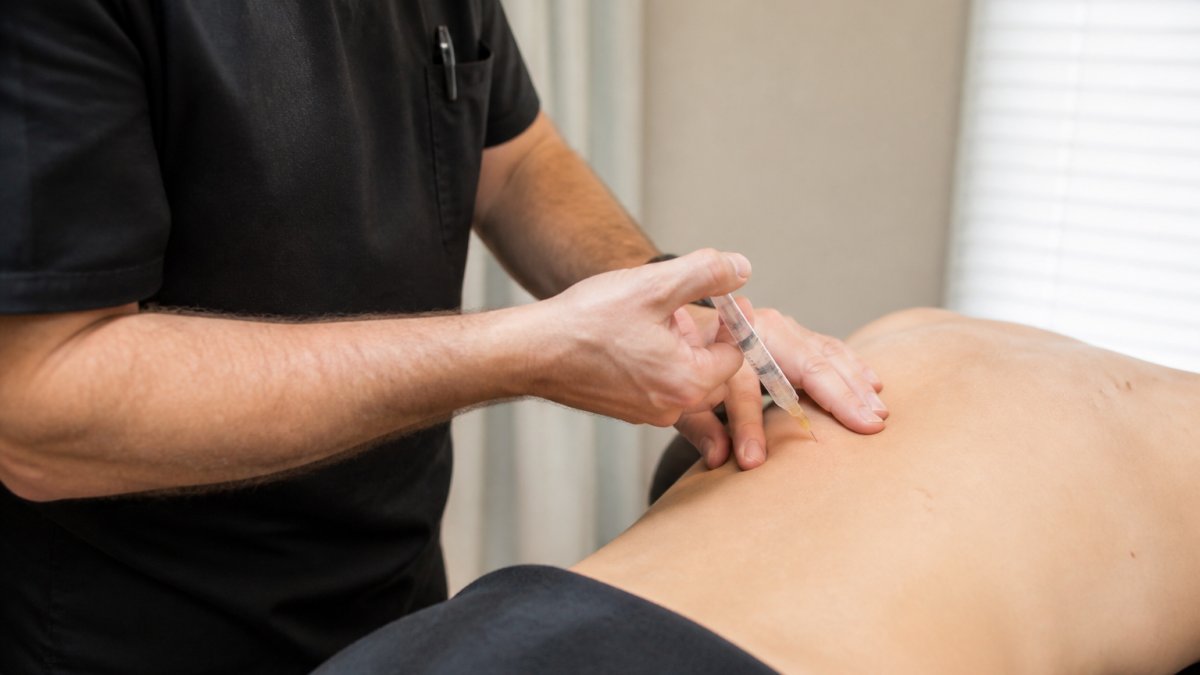
Targeted Relief Without Systemic Side Effects
Oral pain medication circulates through the whole body, which is why it can bring drowsiness, stomach upset, and liver or kidney strain along with relief. A targeted procedure places a small amount of medication near the pain generator, so the rest of the body sees far less of it. Patients who cannot tolerate oral anti-inflammatories or opioids often find this route more manageable.
Watch out: targeted does not mean risk-free. Any injection carries a small risk of infection, bleeding, or a temporary increase in soreness, so the procedure should be performed by a qualified clinician who screens for blood thinners and other risk factors first.
Better Function and Daily Mobility
Pain relief only counts if it lets you move again. The larger benefit of these procedures is the window they open for physical rehabilitation: when pain drops enough to walk, stretch, and exercise, strength and range of motion begin to return. That functional gain is often what patients value most, because it restores the activities that pain had quietly taken away.
Types of Interventional Pain Procedures
Several categories of procedure fall under this umbrella, and each suits a different kind of pain. The most common include:
- Epidural steroid injections for radiating nerve pain in the spine
- Facet joint and nerve blocks for arthritis-related back and neck pain
- Trigger point injections for tight, painful muscle knots and myofascial pain
- Joint injections for arthritis in the knee, shoulder, or hip
- Radiofrequency ablation, which uses heat to quiet a specific pain-signaling nerve
For patients whose pain originates in muscle and connective tissue rather than a joint, non-surgical trigger point and myofascial treatment can be considered; you can review our myofascial pain treatment options to see how that combination works.
Each type of procedure targets a different kind of pain.
| Procedure | Best for |
|---|---|
| Epidural steroid injections | Radiating nerve pain in the spine |
| Facet joint and nerve blocks | Arthritis-related back and neck pain |
| Trigger point injections | Tight, painful muscle knots and myofascial pain |
| Joint injections | Arthritis in the knee, shoulder, or hip |
| Radiofrequency ablation | Uses heat to quiet a specific pain-signaling nerve |
How Long Do Pain Injections Last?
Relief from a pain injection typically lasts anywhere from a few weeks to several months, depending on the type of injection, the condition being treated, and how the individual responds. Steroid injections often quiet inflammation for weeks to a few months; nerve blocks may last shorter or longer; radiofrequency ablation can relieve pain for a longer stretch in the right candidate. Many patients need a series rather than a single shot, and the goal is usually to extend the pain-free window enough to build strength and function between treatments.
Risks of Interventional Pain Procedures
Every procedure carries some risk, and honest clinicians say so plainly. The most frequently discussed risks of interventional pain procedures include temporary soreness at the injection site, a short-lived pain flare, infection, bleeding, and, rarely, nerve irritation. Steroid injections repeated too often can weaken nearby tissue or affect blood sugar in people with diabetes.
These risks are generally low when the procedure is appropriate and performed carefully, but they are not zero. A thorough consultation should cover your medications, allergies, and health history before anything is scheduled.
Interventional Pain Management vs Medication
The two approaches are not enemies; they solve different problems. Medication is convenient and can be taken at home, but it treats the whole body and often brings side effects that grow with long-term use. Interventional procedures are more targeted but require a clinic visit and carry procedural risk. For many patients, the strongest plan combines both: a procedure to break the pain cycle, paired with non-drug therapies to hold the gains. Readers who want to reduce their reliance on medication can consult a guide to natural alternatives to pain medication. If you want to reduce your reliance on pills, you can explore the full range of drug-free, non-surgical pain management services we offer.
Request an Appointment at Alternative Health & Healing Center
Choosing a provider matters as much as choosing a procedure. At Alternative Health & Healing Center, Dr. Paul Finucan brings over 40 years of experience, with certifications in acupuncture, biofeedback, and NeuroCranial Restructuring, and more than 20 years of work with cold laser, magnetic, acoustic wave, and spinal decompression therapies. Our integrative approach pairs chiropractic care and Applied Kinesiology with advanced technology like the Piezo Wave 2, so treatment addresses the root of the pain rather than only the symptom. You can meet Dr. Paul Finucan and review his credentials before you book.
Chronic pain rarely resolves on its own, and waiting usually makes the underlying problem harder to treat. If medication has stopped being enough, a targeted, integrative plan may give you a better path forward. Alternative Health & Healing Center combines nearly 40 years of clinical experience, Applied Kinesiology, and advanced tools like the Piezo Wave 2 to build a personalized, drug-free plan around your pain. Get started with Alternative Health & Healing Center and take the first step toward moving comfortably again.
Frequently Asked Questions
What conditions can interventional pain procedures treat?
Interventional pain procedures are used for chronic joint pain, nerve pain, myofascial pain syndrome, sports injuries, repetitive stress conditions, and pain that persists after surgery. They can also support people with complex systemic issues like fibromyalgia when combined with integrative care. A consultation with a qualified clinician determines whether a procedure fits your specific condition and history, since not every pain source responds to the same approach.
Are interventional pain procedures safer than long-term medication use?
Interventional procedures deliver medication or therapy to a targeted area rather than circulating through the whole body, which can limit some systemic side effects linked to long-term oral pain medication. That said, procedures carry their own risks, including infection, bleeding, and temporary soreness. The safer choice depends on your health history, the source of your pain, and how you respond to treatment. Discuss both options with a qualified professional before deciding.
How long does pain relief from an interventional procedure last?
Relief varies widely by procedure type, the condition being treated, and individual response. Some injections ease pain for weeks, while others can last several months. Certain procedures are repeated on a schedule, and some patients combine them with chiropractic care or other therapies to extend results. Your clinician can outline a realistic timeline for your situation rather than promising a fixed duration.
Do interventional pain procedures require imaging guidance?
Many interventional procedures use imaging guidance such as fluoroscopy or ultrasound to place treatment accurately at the pain source. Imaging improves precision and helps reduce the chance of hitting nearby structures. Whether your specific procedure needs it depends on the target area and technique. Ask your clinician which guidance method they use and why it suits your case.