 comparison
Chiropractor vs Physical Therapy for Back Pain
Table of Contents
- Chiropractor vs Physical Therapy: Core Treatment Differences
- Treatment Philosophy and Approach
- How Long Does It Take to See Results From Chiropractic Care
- Physical Therapy Exercises for Lower Back Pain
- Chiropractic vs Physical Therapy Cost and Insurance Coverage
- When to Choose Chiropractic Care vs Physical Therapy
- Red Flags: When You Need Immediate Medical Attention
- Combined Care Protocol: Why Some Patients Benefit From Both
- Frequently Asked Questions
Last Updated: August 22, 2026
Chiropractor vs Physical Therapy: Core Treatment Differences
When back pain strikes, the choice between a chiropractor and a physical therapist often comes down to philosophy, approach, and what you're trying to achieve. Both practitioners address musculoskeletal dysfunction, but they get there through fundamentally different methods, and understanding those differences can mean the gap between relief that lasts and relief that fades.
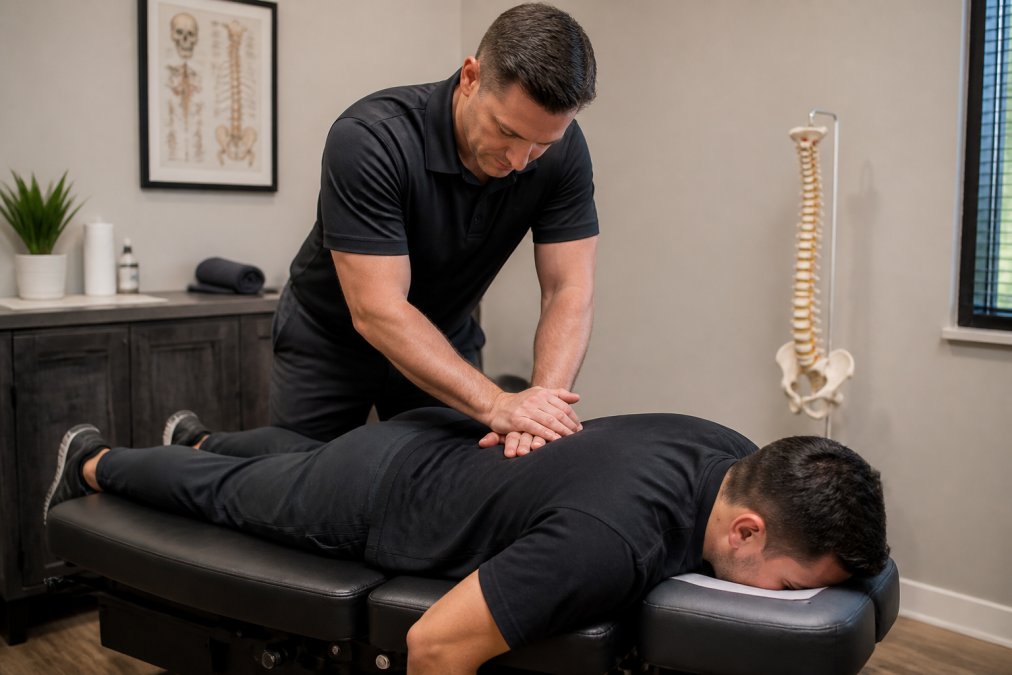
The core distinction lies in how each profession views the body's pain mechanisms. Chiropractors focus on spinal alignment and the relationship between structure and function, believing that vertebral misalignment (subluxation) interferes with nerve function and creates pain. Physical therapists, by contrast, emphasize functional movement patterns, muscle strength, and neuromuscular re-education to restore normal biomechanics. Neither approach is inherently superior, but they produce different outcomes depending on your specific condition and goals.
What Chiropractors Do
Chiropractors use spinal manipulation as their primary tool. This involves applying controlled force to joints that have restricted movement, typically producing an audible "crack" or pop as the joint releases. The goal is to restore proper alignment and mobility, reduce nerve irritation, and allow the body's natural healing response to activate.
Beyond manipulation, modern chiropractors often incorporate soft tissue massage, therapeutic exercises, and postural correction into their treatment plans. At Alternative Health & Healing Center, the approach extends further, integrating Applied Kinesiology, advanced diagnostic assessment, and technology like acoustic wave therapy to address not just the symptom but the underlying biomechanical dysfunction driving it.
Chiropractic care typically involves more frequent visits over a shorter timeframe. You might see a chiropractor 2-3 times per week initially, tapering to weekly or monthly maintenance visits (peer-reviewed research). Sessions are usually brief (15-30 minutes), focused on the adjustment and any complementary soft tissue work.
What Physical Therapists Do
Physical therapists are movement specialists. They design individualized therapeutic exercise programs to strengthen weak muscles, improve range of motion, and retrain your nervous system to move correctly. Rather than forcing alignment through manipulation, they teach your body to maintain proper alignment through muscular control and functional mobility.
A physical therapist begins with a detailed functional assessment, watching how you move, testing strength and flexibility, and identifying compensatory patterns that created the pain in the first place. From there, they build a progressive exercise program targeting specific deficits. Treatment often includes manual therapy (joint mobilization, soft tissue work), but exercise is the centerpiece.
Physical therapy sessions typically run 45-60 minutes and occur 1-2 times per week. The therapist teaches you exercises to perform at home, in fact, home exercise compliance is critical to success. Many patients see meaningful improvement within 4-8 weeks if they're consistent with their program (peer-reviewed research).
Treatment Philosophy and Approach
Here's where the two diverge most sharply: chiropractors believe that correcting spinal alignment corrects the underlying cause of pain. Physical therapists believe that restoring functional movement patterns and muscular control corrects the underlying cause.
This philosophical difference shapes everything, frequency of visits, session length, what happens during treatment, and how progress is measured. Chiropractic care is often more directive: the practitioner performs the intervention (the adjustment) and the patient receives it. Physical therapy is more collaborative: the therapist teaches, guides, and corrects, but the patient does the work.
The reality is that both approaches produce results for many people, but they work best for different presentations. A patient with acute facet joint irritation and restricted mobility might respond quickly to chiropractic manipulation. A patient with chronic pain driven by poor posture and weak core muscles might see lasting change only through exercise-based physical therapy.
Some patients benefit from both, which is why the combined care protocol exists. When Alternative Health & Healing Center works with patients who've tried physical therapy without full resolution, the integrative approach often addresses structural constraints that exercise alone couldn't resolve.
How Long Does It Take to See Results From Chiropractic Care
Most patients notice some relief within the first 1-3 visits. Chiropractic adjustments often produce immediate changes in mobility and a reduction in acute pain, that's the nature of the intervention. You can literally feel the difference in your range of motion after a single session.
However, the timeline for lasting results is longer. Structural patterns that took months or years to develop don't reverse in a week or two. Meaningful, sustained improvement typically emerges over 4-8 weeks of consistent treatment. Some patients reach a plateau where maintenance care (monthly or quarterly visits) keeps them stable. Others find that once the acute phase resolves, they don't need ongoing treatment.
The key variable is the underlying cause. If your pain stems from a specific acute injury or a clear structural issue, results come faster. If it's driven by years of poor posture, weak stabilizer muscles, or chronic compensation patterns, you're looking at a longer timeline. At Alternative Health & Healing Center, the combination of spinal adjustment with therapeutic exercise and technologies like acoustic wave therapy often accelerates results by addressing multiple layers of dysfunction simultaneously.
One critical insight: if you're not seeing meaningful improvement after 6-8 weeks of regular chiropractic care, it's worth reassessing. Either the diagnosis is incorrect, or chiropractic alone isn't the right tool for your specific problem.
Physical Therapy Exercises for Lower Back Pain
Physical therapy for lower back pain centers on three pillars: mobility, stability, and functional integration.

Mobility work restores range of motion in the spine and hips. Common exercises include cat-cow stretches, quadruped hip circles, and gentle spinal rotations. These prepare the spine for loading and help identify restrictions.
Stability exercises target the deep core muscles, transverse abdominis, multifidus, and pelvic floor, that stabilize the spine during movement. Dead bugs, bird dogs, and planks build this foundational control. These aren't flashy exercises, but they're the difference between pain that returns and pain that resolves.
Functional integration trains you to use this newfound mobility and stability in real-world movements: bending, lifting, sitting, standing. A physical therapist watches you perform these movements and corrects compensatory patterns that perpetuate pain.
The progression matters. Starting with too much intensity or advancing too quickly sabotages progress. A competent physical therapist builds gradually, ensuring you master each level before progressing. Home exercise compliance is non-negotiable, you'll spend 1 hour per week in the clinic and 3-4 hours per week at home if you want results.
Chiropractic vs Physical Therapy Cost and Insurance Coverage
Cost structures differ significantly. Chiropractic care typically costs $60-$200 per visit depending on location and practitioner experience. Multiply that by 2-3 visits per week for 6-8 weeks, and you're looking at $500-$2,400 for an acute episode. Maintenance care (1 visit per month) runs $40-$100 per month.
Physical therapy varies widely by region and setting. Out-of-pocket costs typically range from $75-$120 per session, though insurance often covers a significant portion. A standard course of care (8-12 sessions over 4-6 weeks) runs $600-$1,800 out-of-pocket, depending on your deductible and copay structure.
Insurance coverage is the critical variable. Most insurance plans cover physical therapy when provided by a licensed physical therapist and deemed medically necessary, often with a referral from a physician. Chiropractic coverage is also included in most health insurance plans, but coverage varies significantly by provider and policy type, with some plans covering it fully, some partially, and some not covering it at all. Many plans cover medically necessary chiropractic treatments but exclude wellness and maintenance care. Verify your specific coverage before committing to either treatment path.
For patients without insurance, chiropractic is often cheaper upfront. For patients with good insurance coverage, physical therapy becomes more accessible. Neither cost structure is inherently better, it depends on your coverage and budget constraints.
| Factor | Chiropractor | Physical Therapist |
|---|---|---|
| Typical Cost Per Visit | $60-$200 | $75-$120 |
| Frequency | 2-3x/week initially | 1-2x/week |
| Average Course Length | 6-8 weeks | 4-8 weeks |
| Insurance Coverage | Varies (often limited for maintenance) | Often covered with referral and medical necessity |
| Home Exercise Requirement | Moderate | Extensive |
| Session Duration | 15-30 minutes | 45-60 minutes |
When to Choose Chiropractic Care vs Physical Therapy
Choose chiropractic care if:
You have acute pain with restricted mobility and limited range of motion. Chiropractic manipulation quickly restores mobility in ways exercise alone cannot. You've been sedentary and your spine has "locked up." You want rapid pain relief and are willing to commit to frequent visits initially. You have a clear structural issue, facet joint irritation, misalignment, or acute muscle guarding, that responds to hands-on manipulation.
Choose physical therapy if:
Your pain is driven by weak muscles, poor posture, or dysfunctional movement patterns. Physical therapy retrains your nervous system and rebuilds strength, addressing the root cause rather than the symptom. You want long-term resolution and are willing to invest in home exercise. You have chronic pain that's been present for months or years. You want to avoid ongoing treatment dependency, physical therapy builds capacity, while chiropractic often requires maintenance care.
The reality: many patients benefit from both, sequenced strategically. Starting with chiropractic to restore mobility and reduce acute pain, then transitioning to physical therapy to build strength and prevent recurrence, often produces the best outcomes. This is the combined care protocol, and it's why Alternative Health & Healing Center integrates both chiropractic expertise and therapeutic exercise into comprehensive treatment plans.
Red Flags: When You Need Immediate Medical Attention
Not all back pain is mechanical. Some presentations demand urgent medical evaluation before pursuing chiropractic or physical therapy.
Seek immediate medical attention if you experience:
Sudden severe pain accompanied by loss of bowel or bladder control. This suggests cauda equina syndrome, a surgical emergency (the NIH). Numbness or tingling in both legs or the genital area. Again, cauda equina. Severe pain that doesn't improve with rest or position changes. Fever with back pain, especially if you have a history of infection or immunosuppression. This could indicate spinal infection. Progressive neurological symptoms (worsening weakness, increasing numbness). Recent trauma or falls with severe pain. Unexplained weight loss with back pain. This can indicate systemic disease.
These presentations require imaging (MRI or CT) and physician evaluation before any manual therapy. Chiropractic and physical therapy are contraindicated until serious pathology is ruled out. Your practitioner should screen for these red flags during the initial consultation, it's a basic safety requirement.
Combined Care Protocol: Why Some Patients Benefit From Both
The combined care protocol isn't about doing more treatment, it's about sequencing interventions strategically. The logic is sound: chiropractic addresses acute structural dysfunction and restores mobility quickly. Physical therapy builds the muscular control and movement patterns that prevent recurrence.
Here's how it typically works: Week 1-3, chiropractic care 2-3 times per week reduces acute pain and restores basic range of motion. Week 4-8, transition to physical therapy 1-2 times per week while tapering chiropractic visits. The PT builds strength and retrains movement patterns. Week 9+, maintenance: monthly chiropractic check-ins and home exercise from PT.
This approach works particularly well for complex cases, patients with years of poor posture, previous injuries, or multiple pain sites. It also works for athletes and active people who want to return to performance without recurrence.
At Alternative Health & Healing Center, this integrated approach is standard. The combination of spinal adjustment, Applied Kinesiology assessment, therapeutic exercise, and advanced modalities like acoustic wave therapy addresses multiple layers of dysfunction simultaneously, structural, neurological, and muscular. Many patients who've plateaued with physical therapy alone or chiropractic alone find that the integrated model accelerates recovery and produces more durable results.
The cost is higher upfront, but the outcomes often justify it. You're not just getting relief, you're building resilience and preventing future episodes.
Back pain doesn't have a one-size-fits-all solution. The choice between chiropractic care and physical therapy, or the combination of both, depends on your specific presentation, your goals, and your timeline. The key is getting an accurate diagnosis and a clear treatment plan, not just guessing which practitioner to see first. At Alternative Health & Healing Center, we assess each patient's unique situation and recommend the approach (or combination) most likely to produce lasting results. If you're dealing with back pain and want a comprehensive evaluation that considers both structural and functional factors, request an appointment to explore how an integrative approach might accelerate your recovery.
=== FAQ ANSWERS (audit these too, same rules) ===
[1] Q: Should I go to a chiropractor or physical therapist for back pain? A: The choice depends on your condition and treatment goals. Chiropractors focus on spinal alignment and use manual adjustments; physical therapists emphasize therapeutic exercise and functional mobility. For acute injuries or sports-related pain, physical therapy often works well. For misalignment or chronic nerve irritation, chiropractic care may be beneficial. Many patients see results from both approaches, and some benefit from combining them under professional guidance.
[2] Q: How long does it take to see results from chiropractic care? A: Timeline varies by condition severity and individual response. Some patients experience relief after the first few sessions, while others need 4-6 weeks of consistent treatment to notice significant improvement. Acute injuries may respond faster than chronic conditions. Your chiropractor will establish a treatment plan with realistic expectations. Results depend on following recommended frequency, maintaining posture, and addressing underlying biomechanics.
[3] Q: What physical therapy exercises help lower back pain? A: Common exercises include core strengthening (planks, bridges), hamstring stretches, cat-cow stretches, and glute activation work. Physical therapists tailor exercises to your specific diagnosis and functional limitations. Consistency matters more than intensity, performing prescribed exercises 3-5 times weekly typically yields better outcomes than sporadic effort. Your therapist will progress exercises as your strength and range of motion improve.
[4] Q: Does insurance cover chiropractic care and physical therapy? A: Most insurance plans cover physical therapy, though coverage varies by plan and diagnosis. Chiropractic coverage is less consistent; some plans cover it partially or with higher copays. Coverage often depends on whether treatment is medically necessary and supported by diagnostic imaging or physician referral. Contact your insurance provider directly to confirm your specific benefits, deductibles, and any prior authorization requirements before starting treatment.
[5] Q: Can combining chiropractic care and physical therapy improve outcomes? A: Yes. Many patients benefit from integrated care that addresses both alignment (chiropractic) and functional strength (physical therapy). Chiropractors restore joint mobility and nerve function; physical therapists rebuild strength and prevent re-injury. This combined approach is especially effective for chronic pain, post-injury recovery, and complex conditions. Ensure both providers communicate about your treatment plan to coordinate care effectively.
Frequently Asked Questions
Should I go to a chiropractor or physical therapist for back pain?
The choice depends on your condition and treatment goals. Chiropractors focus on spinal alignment and use manual adjustments; physical therapists emphasize therapeutic exercise and functional mobility. For acute injuries or sports-related pain, physical therapy often works well. For misalignment or chronic nerve irritation, chiropractic care may be beneficial. Many patients see results from both approaches, and some benefit from combining them under professional guidance.
How long does it take to see results from chiropractic care?
Timeline varies by condition severity and individual response. Some patients experience relief after the first few sessions, while others need 4-6 weeks of consistent treatment to notice significant improvement. Acute injuries may respond faster than chronic conditions. Your chiropractor will establish a treatment plan with realistic expectations. Results depend on following recommended frequency, maintaining posture, and addressing underlying biomechanics.
What physical therapy exercises help lower back pain?
Common exercises include core strengthening (planks, bridges), hamstring stretches, cat-cow stretches, and glute activation work. Physical therapists tailor exercises to your specific diagnosis and functional limitations. Consistency matters more than intensity, performing prescribed exercises 3-5 times weekly typically yields better outcomes than sporadic effort. Your therapist will progress exercises as your strength and range of motion improve.
Does insurance cover chiropractic care and physical therapy?
Most insurance plans cover physical therapy, though coverage varies by plan and diagnosis. Chiropractic coverage is less consistent; some plans cover it partially or with higher copays. Coverage often depends on whether treatment is medically necessary and supported by diagnostic imaging or physician referral. Contact your insurance provider directly to confirm your specific benefits, deductibles, and any prior authorization requirements before starting treatment.
Can combining chiropractic care and physical therapy improve outcomes?
Yes. Many patients benefit from integrated care that addresses both alignment (chiropractic) and functional strength (physical therapy). Chiropractors restore joint mobility and nerve function; physical therapists rebuild strength and prevent re-injury. This combined approach is especially effective for chronic pain, post-injury recovery, and complex conditions. Ensure both providers communicate about your treatment plan to coordinate care effectively.