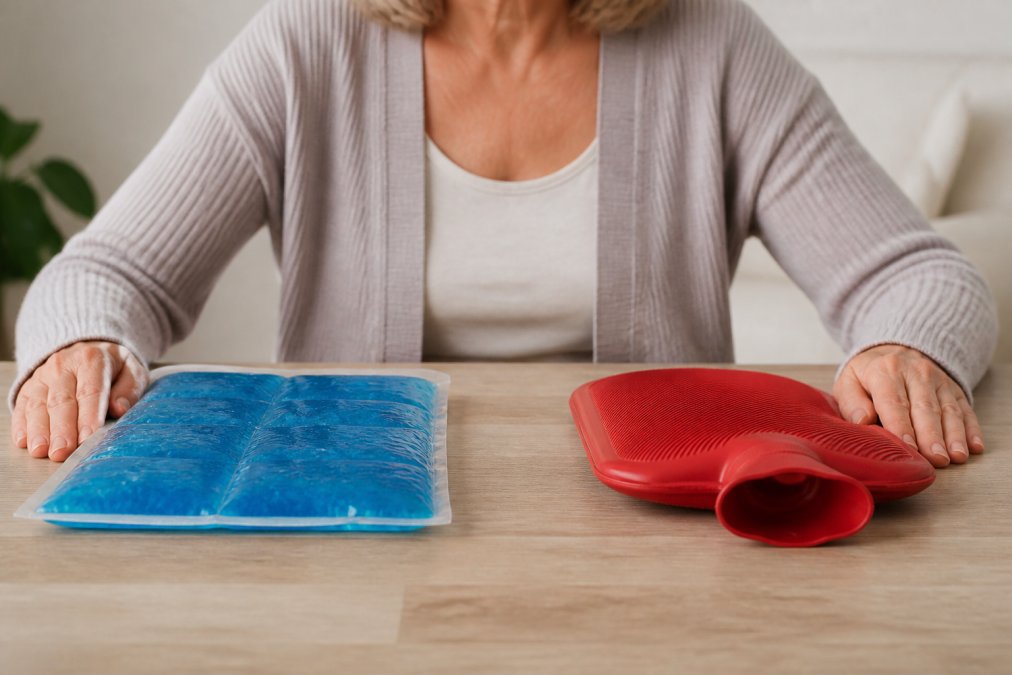
 comparison
Chronic vs Acute Pain: Key Differences Explained
Table of Contents
- Chronic vs Acute Pain: Core Differences
- How Long Does Acute Pain Last
- Causes and Triggers: What Starts Each Type
- Acute Pain Management Strategies That Work
- Chronic Pain Treatment Options and Approaches
- The Nervous System and Pain Perception
- Psychological and Emotional Impact
- When to See a Healthcare Provider
- Frequently Asked Questions
Last Updated: August 13, 2026
Chronic vs Acute Pain: Core Differences
Understanding the distinction between chronic and acute pain is essential for recognizing when self-care works and when professional intervention becomes necessary. Acute pain is the body's immediate warning signal in response to injury, illness, or tissue damage. It typically emerges suddenly and resolves within weeks to three months as the underlying injury heals. Chronic pain persists beyond the normal healing process, typically lasting longer than three months, and often continues even after the initial injury has physically resolved.
The key difference lies in mechanism. Acute pain serves a protective function: it tells you to pull your hand from a hot surface or seek treatment for a broken bone. Chronic pain has lost this protective quality and becomes a disease state in its own right. The nervous system continues sending pain signals long after healing should have occurred, involving changes like central sensitization, where the body's pain perception becomes amplified over time.
This distinction shapes everything about treatment. Acute pain often responds well to rest, ice, and anti-inflammatory approaches. Chronic pain requires multidisciplinary care addressing both physical and psychological components, including pain modulation techniques that help retrain the nervous system's response to stimuli.
How Long Does Acute Pain Last
Acute pain typically resolves within two to twelve weeks, depending on the severity of the underlying injury and healing progress. Minor injuries like muscle strains may resolve in days to weeks, while fractures or moderate sprains usually follow a six to twelve-week recovery timeline.
Duration depends on several factors. The nature of tissue damaged matters significantly: soft tissue injuries heal differently than bone fractures. A mild ligament sprain might resolve in three weeks, while a severe tear could take twelve weeks. Age influences healing, younger patients typically recover faster than older adults. Compliance with treatment recommendations accelerates recovery.
What distinguishes acute pain from chronic pain is this predictable endpoint. As injured tissue heals and inflammation subsides, pain intensity decreases proportionally. If pain persists beyond three months despite appropriate treatment, the classification shifts to chronic pain, signaling that the nervous system has adapted to prolonged pain signaling in ways requiring different therapeutic approaches.
Causes and Triggers: What Starts Each Type
Acute pain has clear, identifiable triggers: sports injuries, surgical procedures, motor vehicle accidents, or acute infections produce immediate pain. The cause-and-effect relationship is straightforward: damage occurs, pain follows, healing begins, pain resolves.
Chronic pain originates differently. While some cases begin with an acute injury that fails to resolve properly, others develop from systemic conditions like fibromyalgia, autoimmune disease, or neuropathy. Some chronic pain has no clear triggering event at all. Chronic pain involves both nociceptive and neuropathic components. Neuropathic pain results from nerve damage or dysfunction, faulty wiring in the nervous system. Central sensitization, where the central nervous system becomes hypersensitive to pain signals, often develops in chronic pain conditions, amplifying normal sensations into painful ones.
Triggers for chronic pain flare-ups differ from acute pain triggers. While acute pain responds to specific injuries, chronic pain often flares from stress, weather changes, sleep deprivation, or activity patterns. This unpredictability makes chronic pain particularly challenging: patients cannot always identify what triggered a flare-up, making prevention difficult.
Acute Pain Management Strategies That Work
Effective acute pain management focuses on supporting the body's natural healing process while controlling pain intensity to allow rest and recovery. The most evidence-supported strategies include rest, ice application, compression, and elevation, the classic RICE protocol, combined with appropriate anti-inflammatory medication when needed.

Rest removes stress from injured tissue, allowing healing to proceed. Ice reduces inflammation and numbs pain signals during the first 48-72 hours post-injury. Compression limits swelling, and elevation uses gravity to reduce fluid accumulation.
Targeted therapeutic modalities accelerate recovery. Physical therapy, guided exercise and movement, helps restore function and prevent complications like muscle atrophy or joint stiffness. Therapeutic techniques like soft tissue mobilization and progressive loading help tissues heal stronger and restore normal range of motion.
Over-the-counter pain relievers like ibuprofen or acetaminophen manage pain intensity while inflammation resolves. The goal is pain control sufficient to allow participation in rehabilitation, not complete pain elimination, which can lead to overuse and re-injury.
Professional assessment matters early. Alternative Health & Healing Center uses Applied Kinesiology and advanced assessment techniques to identify the exact nature of injury and design treatment accordingly.
Chronic Pain Treatment Options and Approaches
Chronic pain requires a fundamentally different treatment philosophy than acute pain because the underlying mechanism has shifted. The original injury may have healed, but the nervous system continues generating pain signals. This requires multidisciplinary care addressing pain modulation, functional restoration, and psychological factors.

Physical rehabilitation remains central to chronic pain management, but with different goals. Rather than simply healing tissue, rehabilitation focuses on restoring function, increasing pain threshold, and helping the nervous system relearn normal responses to movement and sensation. Graded exercise therapy, progressively increasing activity within tolerable limits, helps patients reclaim function without triggering flare-ups.
Therapeutic modalities address persistent discomfort directly. Techniques like cold laser therapy and acoustic wave therapy help modulate pain perception and reduce inflammation. Applied Kinesiology identifies muscular and structural imbalances contributing to chronic pain and addresses them through specific treatment protocols.
Psychological approaches prove essential. Cognitive behavioral therapy helps patients identify thought patterns that amplify pain perception and develop coping strategies. Mindfulness-based interventions teach the nervous system to respond differently to pain signals. Addressing emotional and psychological impact, depression, anxiety, and reduced quality of life, directly improves pain outcomes.
Lifestyle modifications form the foundation of long-term management. Sleep quality, stress management, regular movement, and nutrition all influence pain perception and nervous system function. Patients who maintain consistent activity levels, manage stress effectively, and prioritize sleep typically experience better pain control.
Medication plays a supportive role but rarely provides complete relief. Antidepressants and anticonvulsants can reduce pain intensity and improve sleep, but work best combined with physical and psychological interventions. The goal is functional improvement and quality of life restoration.
The Nervous System and Pain Perception
Understanding how the nervous system processes pain explains why acute and chronic pain respond differently to treatment. Pain is not simply a direct signal from an injured area to the brain. Instead, the nervous system actively processes, modulates, and interprets pain signals based on context, emotional state, previous experience, and expectations.
In acute pain, the nociceptive system works as intended. Tissue damage activates pain receptors, which send signals through peripheral nerves to the spinal cord and brain. Once healing occurs, pain signals diminish and eventually stop.
Chronic pain involves maladaptive changes. Central sensitization occurs when the central nervous system becomes hypersensitive to pain signals. Normal sensations become painful, pain signals persist despite absence of ongoing tissue damage, and the pain threshold decreases. This explains why chronic pain patients often experience pain from stimuli that wouldn't normally hurt.
The brain's pain modulation system also changes in chronic pain. Normally, the brain can suppress pain signals through descending inhibitory pathways. In chronic pain, these natural pain-suppression mechanisms become less effective. Psychological factors directly influence this processing: stress, anxiety, and negative expectations amplify pain signals, while relaxation and psychological resilience enhance natural pain modulation.
Neuroplasticity, the nervous system's ability to reorganize itself, offers hope for chronic pain recovery. Through consistent, appropriate stimulation and behavioral change, the nervous system can gradually retrain itself to process pain signals more normally. This is why rehabilitation programs that gradually increase activity, combined with psychological support, can produce lasting improvement.
Psychological and Emotional Impact
The psychological consequences of chronic pain often equal or exceed the physical discomfort. Persistent pain triggers depression, anxiety, and social isolation, which in turn worsen pain perception. This creates a vicious cycle: pain causes emotional distress, emotional distress amplifies pain signals, and pain intensifies further.
Chronic pain frequently leads to functional impairment extending beyond physical pain itself. Patients reduce activity to avoid pain, leading to deconditioning and loss of mobility. Social withdrawal occurs as patients avoid activities they can no longer perform. Work productivity declines, and relationships suffer.
Depression develops in roughly half of chronic pain patients, and anxiety disorders are equally common. These reflect neurobiological changes in the brain's mood regulation systems occurring alongside chronic pain. Patient self-advocacy becomes critical, seeking providers who take chronic pain seriously and validate symptoms improves psychological outcomes and treatment engagement.
Sleep disturbance commonly accompanies chronic pain, creating another feedback loop. Pain disrupts sleep, sleep deprivation lowers pain threshold and worsens mood, and worsened mood amplifies pain perception. Breaking this cycle through sleep-focused interventions significantly improves overall outcomes.
Emotional resilience improves with support. Counseling, support groups, and connection with others managing similar conditions reduce isolation and provide practical coping strategies. Many patients find that addressing psychological and emotional dimensions produces as much functional improvement as addressing physical pain itself.
When to See a Healthcare Provider
Acute pain warrants professional evaluation if it results from significant trauma, if pain intensity is severe, if swelling or deformity is present, or if normal function cannot be restored within a few days. Seek immediate care for suspected fractures, severe sprains, significant cuts, or any injury causing severe pain with inability to move or bear weight.
Pain that doesn't improve following appropriate home care within two to four weeks suggests a more serious underlying condition requiring professional assessment. Some injuries that initially seem minor require specific treatment to prevent chronic pain development.
Chronic pain lasting longer than three months warrants comprehensive professional evaluation. This includes assessment by a healthcare provider experienced in chronic pain management who can identify underlying mechanisms, rule out serious conditions, and design an appropriate treatment plan. The earlier chronic pain receives proper multidisciplinary care, the better the outcomes.
Seek urgent care if chronic pain suddenly worsens significantly, if new neurological symptoms develop (numbness, weakness, loss of bowel/bladder control), or if pain is accompanied by fever, unexplained weight loss, or other systemic symptoms.
Alternative Health & Healing Center evaluates both acute and chronic pain conditions using Applied Kinesiology and advanced assessment techniques to identify the specific mechanisms driving your pain. This detailed evaluation allows us to design targeted treatment addressing the root cause rather than simply masking symptoms.
Understanding the differences between chronic and acute pain helps better decision-making about your health. Acute pain typically resolves with appropriate rest and activity modification, while chronic pain requires comprehensive, multidisciplinary approaches addressing physical, neurological, and psychological factors. The nervous system's role in pain perception, particularly how it can become sensitized in chronic conditions, explains why treatment must address more than just the original injury site. If you're struggling with either acute injury recovery or persistent chronic pain, professional evaluation identifies the specific mechanisms involved and guides appropriate treatment. Request an appointment with Alternative Health & Healing Center to discuss how our integrative approach can help restore function and reduce pain intensity.
Frequently Asked Questions
What is the main difference between acute pain and chronic pain?
Acute pain is a warning signal that typically lasts less than three months and follows a specific injury or illness. Chronic pain persists beyond the normal healing process, lasting three months or longer even after the initial injury has resolved. Acute pain activates your nervous system's protective response and generally improves as tissue damage heals. Chronic pain involves changes in nerve signaling and pain perception that persist long-term, requiring different management strategies focused on functional restoration rather than just symptom relief.
Can exercising help with chronic pain?
Yes, structured physical activity can significantly help manage chronic pain. Exercise improves blood flow, strengthens supporting muscles, and helps modulate pain perception through the nervous system. Low-impact activities like walking, swimming, or gentle yoga are often recommended to start. Consistency matters more than intensity. Many people with chronic conditions benefit from personalized exercise programs designed by healthcare providers familiar with their specific condition. It's important to progress gradually and work with a qualified professional to avoid overuse or re-injury.
How is treatment for acute pain different from chronic pain?
Acute pain treatment focuses on addressing the underlying injury or cause and providing relief during the healing process, typically using rest, ice, compression, and elevation (RICE), over-the-counter medications, or short-term prescription pain relief. Chronic pain treatment takes a multidisciplinary approach addressing physical, psychological, and lifestyle factors. It emphasizes functional improvement, quality of life restoration, and long-term management strategies like physical therapy, behavioral techniques, medication management, and integrative therapies rather than waiting for the pain to resolve on its own.
What is the relationship between anxiety and chronic pain?
Anxiety and chronic pain have a bidirectional relationship: chronic pain often triggers anxiety and worry about the future, while anxiety amplifies pain perception and reduces pain threshold. The nervous system becomes sensitized, making pain signals feel more intense. Stress and anxiety increase muscle tension and inflammation, worsening physical symptoms. Managing anxiety through cognitive behavioral therapy, relaxation techniques, mindfulness, and appropriate professional support can meaningfully reduce pain intensity and improve overall function. Addressing the psychological component is as important as treating the physical aspects of chronic pain.