 ultimate-guide
Integrative Medicine for Chronic Joint Pain: Evidence-Based Approaches
Table of Contents
- What Is Integrative Medicine for Chronic Joint Pain?
- Manual Manipulation and Acupuncture for Joint Pain Relief
- Evidence-Based Natural Supplements for Joint Pain
- Anti-Inflammatory Diet for Joint Health
- Mind-Body Techniques for Pain Management
- Therapeutic Exercise and Physical Function Recovery
- Building Your Personalized Integrative Treatment Roadmap
- Common Mistakes and Safety Considerations
- Frequently Asked Questions
Integrative Medicine for Chronic Joint Pain: Evidence-Based Approaches
Last Updated: August 3, 2026
Many people assume chronic joint pain options are limited to prescription medications or surgery. Integrative medicine for chronic joint pain combines manual therapy, natural supplements, dietary changes, and mind-body techniques to address pain at its source. At Alternative Health & Healing Center, we've spent nearly 40 years helping patients discover that relief doesn't always require invasive procedures. This guide explores evidence-based approaches that have proven effective for thousands seeking to restore mobility and reduce pain without relying solely on pharmaceuticals.
Conventional pain management often treats symptoms rather than underlying dysfunction. Integrative medicine takes a different approach, considering how your entire body works together to create pain. Whether you're dealing with arthritis, sports injuries, or post-surgical recovery, understanding your options helps you make informed decisions about your care.
What Is Integrative Medicine for Chronic Joint Pain?
Integrative medicine combines conventional medical care with complementary health approaches to address the whole person, not just the symptom. For chronic joint pain, this means using evidence-based natural supplements, manual manipulation, therapeutic exercise, and mind-body interventions alongside, or sometimes instead of, pharmaceutical pain management.
Joint pain rarely stems from a single cause. Cartilage loss, muscle weakness, inflammation, stress, poor nutrition, and movement dysfunction all contribute. By addressing multiple factors simultaneously, integrative practitioners help patients achieve more sustainable relief. Research from the National Institutes of Health on integrative health approaches demonstrates that patients combining multiple therapeutic modalities report greater improvement in function and pain reduction than those using single interventions alone.
Manual Manipulation and Acupuncture for Joint Pain Relief
How Manual Therapy Addresses Joint Stiffness
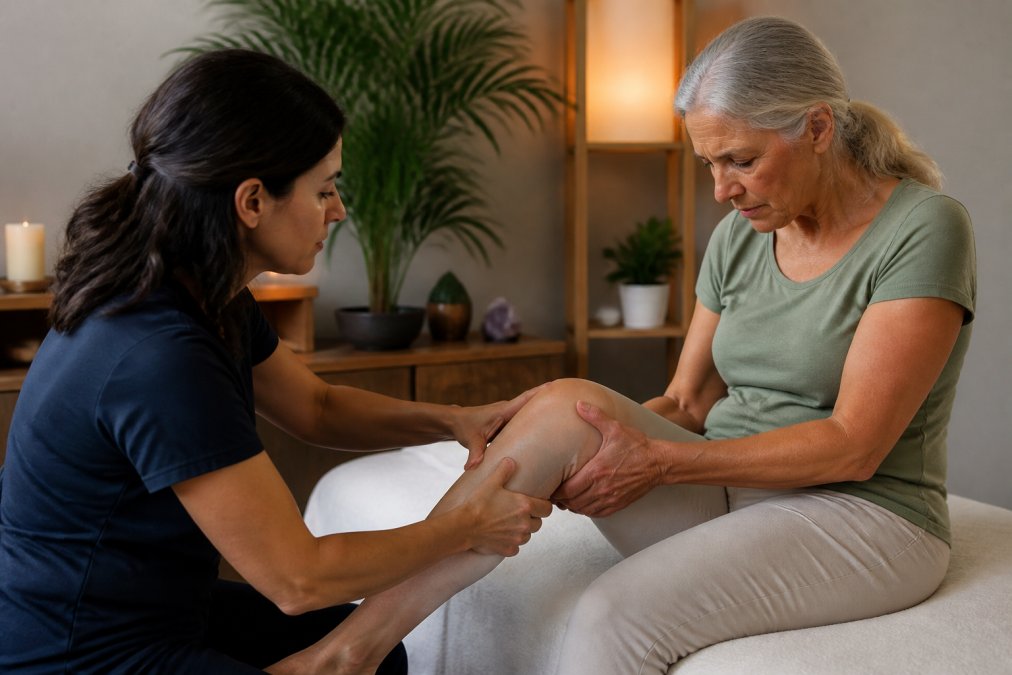
Manual manipulation, including chiropractic adjustment, osteopathic manipulation, and soft tissue therapy, restores proper movement to joints that have lost their natural range of motion. When joints become stiff or misaligned, surrounding muscles compensate by working harder, leading to fatigue, tension, and chronic pain. A skilled practitioner uses hands-on techniques to restore alignment and mobility, reducing compensatory strain on surrounding tissues.
Joint stiffness increases mechanical stress on cartilage and supporting structures. By improving joint mechanics, manual therapy reduces that stress and allows healing to occur. Many patients report immediate improvement in pain and range of motion following a session, though lasting results require a series of treatments combined with home exercise.
:::pro Manual therapy works best when combined with therapeutic exercise. The adjustment restores mobility, but exercise maintains it. Patients who skip the exercise component often see symptoms return within weeks. :::
At Alternative Health & Healing Center, we use techniques grounded in Applied Kinesiology, which evaluates how your muscles, joints, and nervous system interact. This allows us to identify not just where pain occurs, but why it occurs, a distinction that matters enormously for lasting relief.
Acupuncture as a Complementary Health Approach
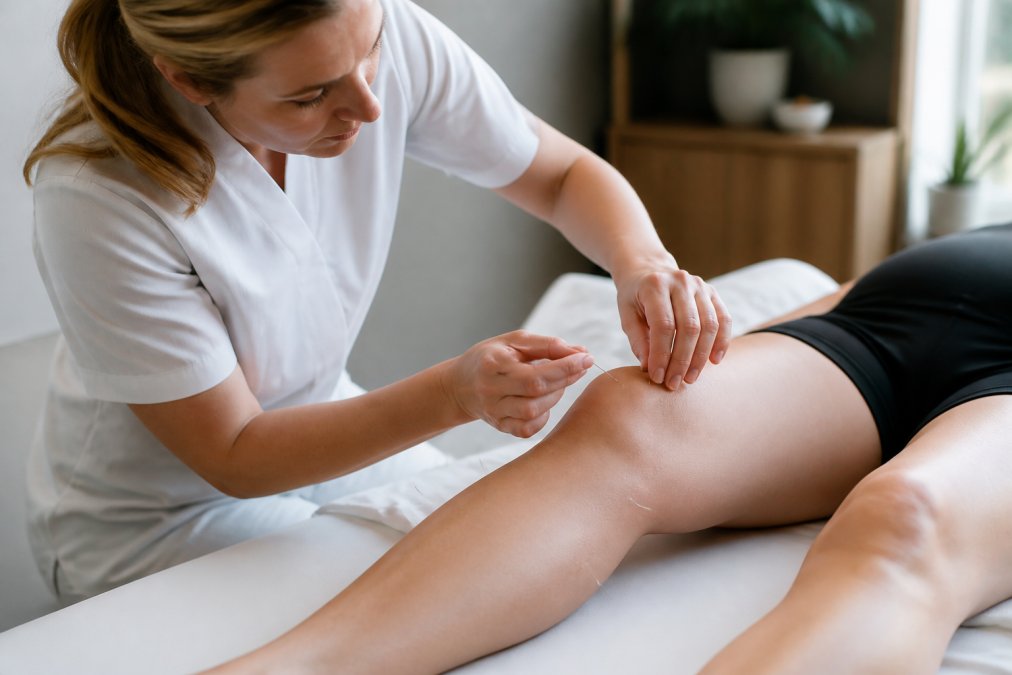
Acupuncture, a core component of Traditional Chinese Medicine, stimulates specific points on the body to reduce pain and restore function. The clinical effects are well-documented: acupuncture reduces inflammation, increases blood flow to affected areas, and modulates how your nervous system processes pain signals.
For chronic joint pain, acupuncture addresses both local joint dysfunction and systemic inflammation. Treatment typically involves a series of sessions over several weeks, with many patients noticing improvement after 4-6 visits. Research from the American College of Rheumatology on acupuncture for joint pain indicates that acupuncture can be effective for knee osteoarthritis and other degenerative joint conditions, particularly when used alongside manual therapy and exercise.
Evidence-Based Natural Supplements for Joint Pain
Key Botanicals: Turmeric, Ginger, and Devil's Claw
Turmeric, containing the active compound curcumin, functions as a potent anti-inflammatory agent that reduces joint inflammation at the cellular level. Unlike pharmaceutical NSAIDs, which carry risks of gastrointestinal and cardiovascular side effects with long-term use, turmeric works through multiple anti-inflammatory pathways with a favorable safety profile.
Ginger operates similarly, containing gingerols and shogaols that inhibit inflammatory markers. Many patients find that combining turmeric and ginger provides more effective symptom relief than either alone. Devil's claw, a plant native to southern Africa, has been used for centuries to reduce joint pain and inflammation, with clinical evidence supporting its use for osteoarthritis and rheumatoid arthritis.
Start with one botanical, assess your response over 4-6 weeks, then consider adding others if needed. Dosing matters, low-dose supplements often deliver minimal benefit. Quality also varies significantly between manufacturers.
Glucosamine, Chondroitin, and Omega-3 Fatty Acids
Glucosamine and chondroitin are structural components of cartilage. Evidence is mixed, though many patients report meaningful improvement in joint stiffness and pain, particularly when combined with other interventions.
Omega-3 fatty acids, found in fish oil and plant sources, reduce systemic inflammation and support joint health. Unlike glucosamine, omega-3 benefits are well-established across multiple clinical trials. A consistent daily intake of 1,000-2,000 mg of combined EPA and DHA appears to reduce joint pain and improve physical function over 8-12 weeks.
These supplements work best for patients with early-stage cartilage loss or those seeking to slow progression of existing degeneration. They're less likely to reverse advanced cartilage damage but may prevent further deterioration.
Drug-Supplement Interactions You Must Know
Supplements interact with medications in ways that can amplify side effects or reduce medication effectiveness. Curcumin (from turmeric) increases blood levels of certain medications by inhibiting liver metabolism. Ginger and devil's claw both increase bleeding risk when combined with anticoagulants or antiplatelet drugs. Glucosamine may affect blood sugar control in diabetics.
Create a complete list of all prescription medications, over-the-counter drugs, and supplements. Share it with your primary care doctor and any specialists. Many dangerous interactions can be avoided with simple timing adjustments or dose modifications.
Anti-Inflammatory Diet for Joint Health
Chronic inflammation drives joint pain and accelerates cartilage degeneration. Your diet either promotes or reduces this inflammation. An anti-inflammatory diet emphasizes whole foods while minimizing processed foods, refined sugars, and inflammatory oils.
The foundation includes fatty fish (salmon, mackerel, sardines) rich in omega-3 fatty acids; colorful vegetables high in antioxidants; berries; nuts and seeds; olive oil; and whole grains. Equally important is reducing refined carbohydrates, sugar, trans fats, and excessive omega-6 polyunsaturated oils found in many processed foods.
Specific anti-inflammatory foods worth emphasizing: turmeric-containing dishes, ginger tea, dark leafy greens, berries, fatty fish, and bone broth. Many patients find that eliminating nightshade vegetables (tomatoes, peppers, eggplant) also reduces pain, though this effect is individual.
Dietary change alone rarely eliminates chronic joint pain, but it's a foundational component that amplifies the effects of other interventions. A patient combining anti-inflammatory diet with acupuncture, manual therapy, and supplements typically sees better results than someone using any single approach.
Mind-Body Techniques for Pain Management
Meditation, Yoga, and Tai Chi for Symptom Relief
Pain perception happens in your brain, not your joint. Your nervous system's interpretation of pain signals can be modified through mind-body practice. Meditation reduces activity in brain regions associated with pain processing while increasing activity in areas related to pain control.
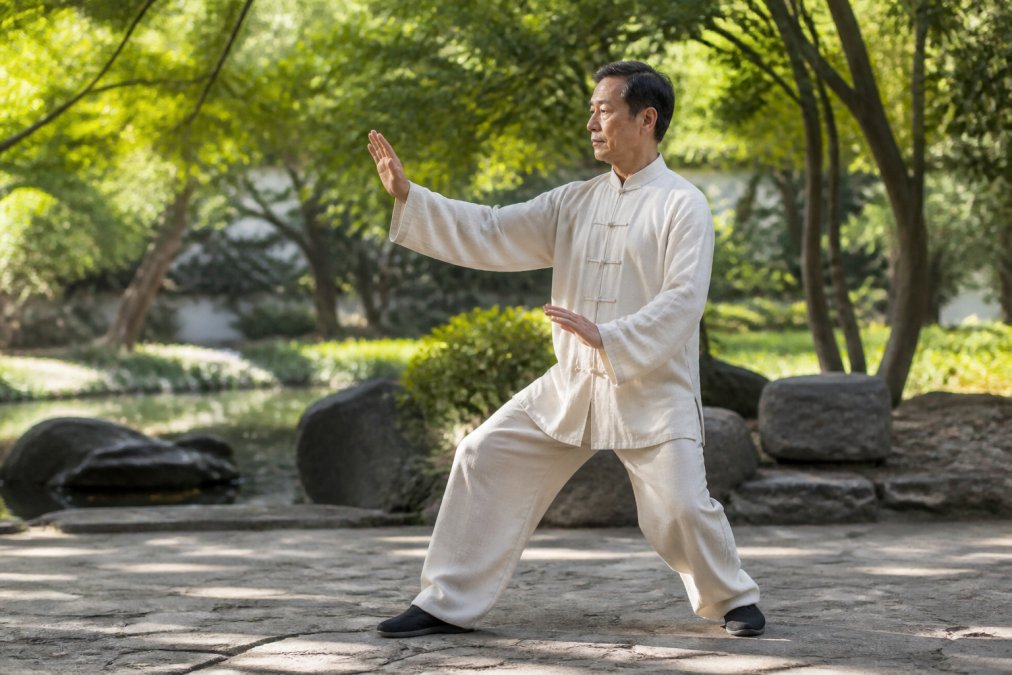
Yoga combines physical movement with breath awareness and mental focus. For chronic joint pain, gentle or modified yoga improves flexibility, strengthens supporting muscles, and reduces pain-related anxiety. Tai chi, an ancient Chinese practice combining slow, flowing movements with meditation, has strong evidence for improving balance, strength, and pain reduction in people with arthritis. Studies show consistent improvements in joint pain and physical function after 8-12 weeks of regular practice.
Biofeedback and Stress Reduction
Biofeedback teaches you to consciously control physiological processes, heart rate, muscle tension, skin temperature, that normally operate automatically. For joint pain, biofeedback helps you recognize and release muscle tension that exacerbates pain. Many people unconsciously tense muscles around a painful joint, perpetuating the pain cycle.
Stress reduction complements these practices. Chronic stress elevates cortisol and inflammatory markers, worsening joint pain. Any practice that reduces stress, meditation, exercise, time in nature, social connection, has measurable anti-inflammatory effects. The combination of stress reduction plus physical intervention typically produces better outcomes than physical intervention alone.
Therapeutic Exercise and Physical Function Recovery
Therapeutic exercise is essential for lasting joint pain relief. Movement restores function to joints that have become stiff and weak from disuse or pain avoidance. Low-impact cardiovascular exercise (walking, swimming, cycling) improves overall fitness without excessive joint stress. Strength training, particularly focusing on muscles that support affected joints, reduces mechanical stress on cartilage and improves stability.
Start conservatively, progress gradually, and focus on consistency over intensity. Many patients see meaningful improvement in pain and function after 8-12 weeks of regular exercise, but results require ongoing commitment. Physical therapy, when guided by a practitioner familiar with your condition, accelerates progress by ensuring correct exercise performance and appropriate progression.
At Alternative Health & Healing Center, we combine manual therapy with therapeutic exercise prescription. The adjustment restores mobility; the exercise maintains it and builds strength. Without exercise, benefits from manual therapy fade within weeks.
Building Your Personalized Integrative Treatment Roadmap
Cost-Benefit Analysis of Integrative Therapies
The economic reality of chronic pain management involves both direct costs (treatment fees) and indirect costs (lost work productivity, reduced quality of life). Integrative approaches typically involve lower per-visit costs than surgical interventions, though they often require more visits over time.
Most people benefit from 8-12 acupuncture sessions, 6-10 manual therapy sessions, and ongoing exercise and dietary changes. This represents an investment that often produces lasting results rather than temporary symptom suppression. A patient who achieves lasting pain relief through integrative care avoids years of medication costs, potential surgery, and productivity loss associated with poorly controlled pain.
For those on fixed incomes, prioritize: start with dietary changes (lowest cost, significant impact), add therapeutic exercise (free to low-cost), then consider professional services like acupuncture or manual therapy as budget allows. Many practitioners offer sliding scale fees or package discounts.
Telehealth and Digital Tools for Ongoing Care
Digital tools have expanded access to integrative care. Telehealth consultations allow you to discuss symptoms and receive guidance from practitioners without traveling. While hands-on therapies require in-person visits, many aspects of integrative care work effectively via video.
Wearable devices and apps track movement, sleep, and activity levels, providing objective data about how interventions affect your function. This hybrid approach, combining in-person hands-on care with digital support, often produces better outcomes than either alone.
| Intervention | Typical Duration | Frequency | Best Combined With |
|---|---|---|---|
| Acupuncture | 30-45 minutes | 1-2x weekly initially, then maintenance | Manual therapy, exercise, diet |
| Manual Therapy | 30-60 minutes | 1-2x weekly for 6-8 weeks | Exercise, acupuncture, stretching |
| Therapeutic Exercise | 20-45 minutes | 3-5x weekly | All other modalities |
| Anti-inflammatory Diet | Ongoing | Daily | All other modalities |
| Meditation/Yoga | 20-60 minutes | 3-5x weekly | Exercise, stress management |
| Supplements | Ongoing | Daily | All other modalities |
Common Mistakes and Safety Considerations
The most frequent mistake is expecting immediate, permanent relief from a single intervention. Chronic pain developed over months or years; meaningful improvement typically requires 8-12 weeks of consistent, multimodal treatment. Patients who abandon treatment after 2-3 sessions often miss the window where lasting change occurs.
Another common error: starting too many interventions simultaneously. If you change your diet, start supplements, begin acupuncture, and start exercise all in the same week, you won't know which intervention is helping. Add interventions sequentially, giving each 4-6 weeks to demonstrate benefit before adding the next.
Many people also underestimate the importance of exercise. Manual therapy and supplements can reduce pain, but without exercise to restore strength and mobility, pain typically returns once treatment stops. The most successful patients view exercise as non-negotiable rather than optional.
Inform all your healthcare providers about everything you're taking and doing. Some supplements interact with medications. Some conditions require modified exercise approaches. A comprehensive approach requires communication between all your providers.
Realistic expectations matter. Integrative medicine for chronic joint pain can significantly reduce pain and improve function, but it may not eliminate pain completely, particularly in advanced degenerative conditions. The goal is meaningful improvement in your ability to do the things that matter to you.
Chronic joint pain doesn't have to limit your life. Alternative Health & Healing Center combines nearly 40 years of clinical experience with advanced technologies like the Piezo Wave 2 and specialized techniques in Applied Kinesiology to address pain at its source. Our team creates personalized treatment plans that integrate manual therapy, therapeutic exercise, and evidence-based complementary approaches, giving you a comprehensive path to lasting relief and restored mobility. Request an appointment today and discover how integrative medicine can transform your relationship with pain.
Frequently Asked Questions
What is the difference between integrative medicine and alternative medicine for joint pain?
Integrative medicine combines conventional medical care with evidence-based complementary health approaches like acupuncture, manual manipulation, and botanical remedies. It works alongside standard treatments rather than replacing them. Alternative medicine typically refers to approaches used instead of conventional care. For chronic joint pain, integrative medicine uses a multidisciplinary approach that may include physical therapy, anti-inflammatory nutrition, mind-body interventions, and supplements while maintaining coordination with your primary healthcare provider.
Are natural supplements safe to take with prescription arthritis medication?
Some natural supplements can interact with prescription medications used for arthritis. For example, omega-3 fatty acids and ginger may have mild blood-thinning effects and could interact with certain medications. Turmeric and NSAIDs together may increase gastric irritation risk. Always inform your healthcare provider about all supplements you plan to take, including herbal remedies like devil's claw or willow bark. Your provider can review potential interactions and adjust your treatment plan accordingly to ensure safety and effectiveness.
Which integrative therapies are evidence-based for chronic joint pain?
Research supports several evidence-based integrative approaches for chronic joint pain management. Acupuncture has shown efficacy for symptom relief in some patients. Manual manipulation and therapeutic exercise improve physical function and reduce joint stiffness. Anti-inflammatory diets rich in omega-3 fatty acids and botanical compounds like turmeric and ginger demonstrate anti-inflammatory benefits. Mind-body practices including meditation, yoga, and tai chi improve quality of life and pain perception. A multidisciplinary approach combining several of these methods typically produces better long-term maintenance of symptom relief than single therapies alone.
How can I find a qualified practitioner for integrative medicine treatment?
Look for practitioners with credentials in specific modalities relevant to your needs. Board-certified practitioners in acupuncture, chiropractic care, or integrative medicine have completed formal training and examination. Verify certifications through relevant professional organizations and check that practitioners maintain current licenses. Ask about their experience treating conditions similar to yours and whether they take a patient-centered, multidisciplinary approach. Request a consultation to discuss your symptoms, treatment goals, and how they develop personalized treatment roadmaps. Verify that any facility uses current technology and evidence-based protocols for their therapeutic modalities.


