 ultimate-guide
Non-Surgical Treatment for Sports Injuries: A Complete Guide
Table of Contents
- Understanding Non-Surgical Treatment for Sports Injuries
- Physical Therapy for Sports Injuries: The Foundation of Recovery
- Recovery Time for Common Sports Injuries Without Surgery
- Advanced Regenerative Medicine: PRP and Orthobiologics
- Conservative Treatment Modalities: RICE, Injections, and Manual Therapy
- Technology-Driven Therapies: Shock Wave, TENS, and Acoustic Wave
- Nutrition, Psychology, and Home Recovery Tracking
- Creating Your Non-Operative Recovery Protocol
- Frequently Asked Questions
Last Updated: August 14, 2026
Understanding Non-Surgical Treatment for Sports Injuries
Non-surgical treatment for sports injuries encompasses physical therapy, regenerative medicine, conservative modalities, and technology-driven therapies designed to restore function, reduce pain, and help athletes return to activity safely. Most sports injuries, ligament sprains, muscle strains, tendonitis, and even some cartilage damage, respond well to structured non-operative care when started early and pursued consistently.
At Alternative Health & Healing Center, we've worked with athletes for nearly 40 years, helping them avoid surgery through integrative approaches combining advanced therapeutic modalities. The difference between stalled and accelerated recovery often comes down to how comprehensively you address tissue repair, inflammation management, and functional restoration from day one.
Non-surgical treatment demands active participation, proper sequencing of treatments, and understanding what each modality accomplishes. This guide walks you through every proven approach so you can make informed recovery decisions.
Physical Therapy for Sports Injuries: The Foundation of Recovery
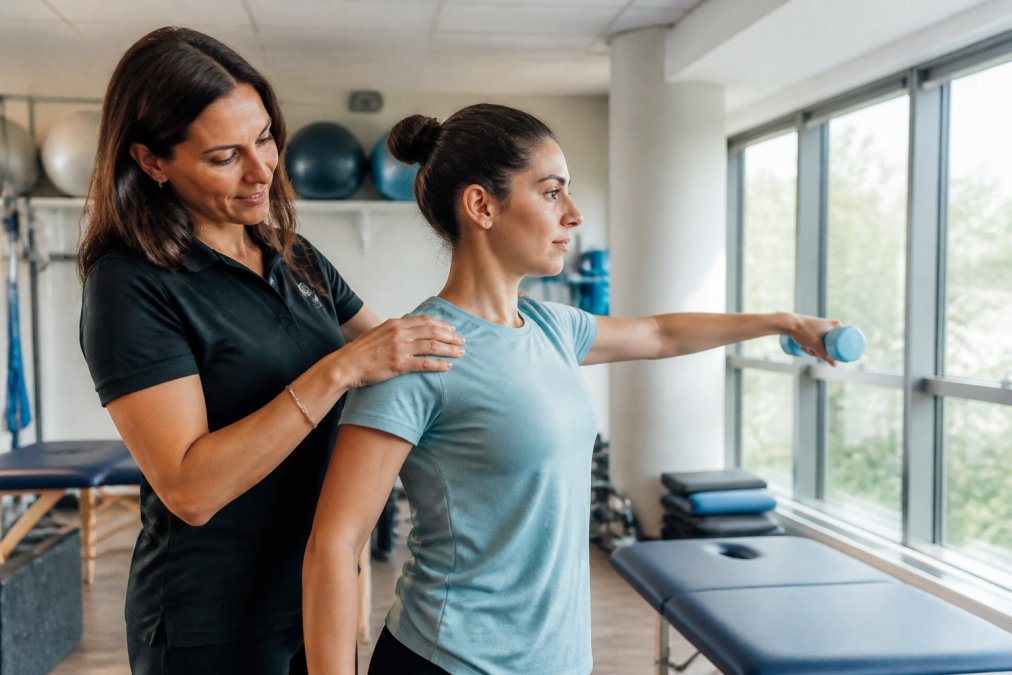
Physical therapy is the cornerstone of non-surgical treatment, rebuilding strength, restoring mobility, and retraining movement patterns that prevent re-injury. A qualified physical therapist assesses your range of motion, strength deficits, movement quality, and pain patterns to determine which exercises and protocols suit your specific injury.
Range of Motion and Mobility Exercises
Restoring range of motion is typically the first recovery phase. Early, controlled movement promotes blood flow to injured tissues, prevents stiffness, and signals the body to continue healing. For a knee injury, this might involve quad sets and controlled knee bends; for a shoulder, pendulum swings and wall slides. Incomplete range of motion creates compensatory patterns that lead to re-injury or chronic issues in adjacent joints.
Strengthening Protocols for Tissue Repair
Once mobility improves, strengthening rebuilds atrophied muscle and creates stability around the damaged joint. Progressive resistance is essential, starting with bodyweight or light resistance, then gradually increasing load and complexity. A mild ankle sprain might require 4-6 weeks of structured physical therapy; a severe muscle tear could demand 12-16 weeks. Returning to sport before adequate strengthening is how re-injuries happen.
Recovery Time for Common Sports Injuries Without Surgery
Recovery timelines depend on injury severity, tissue type, and how quickly appropriate treatment begins. A Grade 1 ankle sprain typically resolves in 2-4 weeks; a Grade 2 sprain requires 4-8 weeks; a Grade 3 complete tear may take 8-12 weeks. Muscle strains follow similar patterns: mild strains heal in 1-3 weeks, moderate strains in 3-6 weeks, severe strains in 8-12 weeks.
Recovery accelerates when you combine physical therapy with other modalities. A patient doing only rest recovers slower than one combining physical therapy with regenerative treatments or advanced therapies like acoustic wave therapy.
Advanced Regenerative Medicine: PRP and Orthobiologics
Regenerative medicine harnesses your body's own healing mechanisms to repair damaged tissue at the cellular level.
Platelet-Rich Plasma Therapy for Athletes
Platelet-rich plasma (PRP) therapy concentrates blood platelets and growth factors, then injects them directly into injured tissue. Platelets trigger inflammation, recruit healing cells, and stimulate tissue repair. PRP works best for tendon injuries, ligament sprains, and early-stage arthritis. The procedure takes 30-45 minutes, with mild soreness for 2-3 days, then improvement beginning within 2-4 weeks.
Research from the American Journal of Sports Medicine has documented PRP's effectiveness for various musculoskeletal injuries, with many patients avoiding surgery after successful treatment.
Stem Cell Therapy and Bone Marrow Treatment
Stem cell therapy and bone marrow-derived regenerative treatments use cells capable of differentiating into cartilage, bone, and ligament to rebuild damaged structures. Bone marrow contains mesenchymal stem cells and growth factors that stimulate tissue regeneration and reduce inflammation. The process involves harvesting bone marrow from the hip, processing it to concentrate stem cells, then injecting into the injury. Recovery from the harvest site takes 1-2 weeks, with regenerative effects continuing over months.
Stem cell therapy is particularly valuable for advanced arthritis, chronic tendon damage, and complex injuries that don't respond to conventional treatment.
Conservative Treatment Modalities: RICE, Injections, and Manual Therapy
Conservative treatment forms the foundation of early-stage injury management.
RICE Method and Inflammation Management
The RICE method, rest, ice, compression, elevation, remains the gold standard for acute injury management. Applied immediately after injury, RICE reduces swelling, controls pain, and limits secondary tissue damage. However, RICE isn't a complete strategy; after the acute phase, immobility actually slows healing. Progression to gentle movement and physical therapy is critical.
Cortisone and Hyaluronic Acid Injections
Cortisone injections reduce inflammation and pain quickly, often providing relief within 24-48 hours, making them valuable for acute flare-ups when pain limits physical therapy participation. However, repeated injections can weaken tissue; most specialists recommend limiting cortisone to 2-3 injections per year in any single joint.
Hyaluronic acid injections take a different approach. Hyaluronic acid is a natural joint fluid component that lubricates cartilage and provides shock absorption. Injecting it reduces friction, decreases pain, and may slow cartilage degeneration. Effects develop over 3-5 weeks and can last 6-12 months. Unlike cortisone, hyaluronic acid doesn't suppress healing.
Massage Therapy, Acupuncture, and Dry Needling
Manual therapy addresses muscle tension, improves circulation, and promotes tissue mobility. Massage breaks up scar tissue and reduces muscle guarding. Acupuncture and dry needling stimulate healing by creating controlled micro-trauma that triggers inflammation and recruits healing cells. Dry needling specifically targets trigger points, often producing immediate relief and improved range of motion. These modalities work best as part of comprehensive protocols.
Technology-Driven Therapies: Shock Wave, TENS, and Acoustic Wave
Modern technology offers powerful tools for accelerating non-surgical treatment.
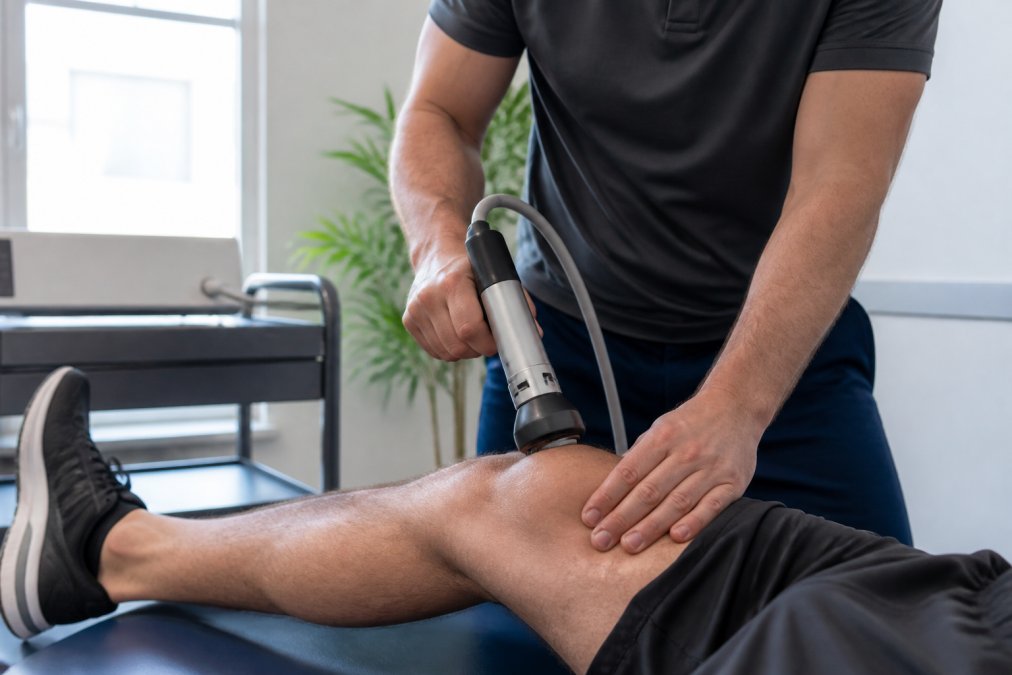
Extracorporeal shock wave therapy (ESWT) uses high-energy sound waves to stimulate tissue repair and has proven effective for chronic tendonitis and plantar fasciitis. Transcutaneous electrical nerve stimulation (TENS) uses electrical current to block pain signals and stimulate endorphin release, particularly useful for chronic pain management. Acoustic wave therapy promotes tissue regeneration and improves blood flow. The Piezo Wave 2 technology, which Alternative Health & Healing Center uses, delivers acoustic waves with precision, targeting specific injured tissue while minimizing stress to surrounding structures.
These technologies aren't replacements for physical therapy; they're accelerators that compound healing when combined with rehabilitation.
Nutrition, Psychology, and Home Recovery Tracking
Non-surgical recovery extends beyond clinical treatment.
Supplementation for Tissue Repair and Joint Preservation
Tissue repair demands specific nutrients: protein for amino acids, vitamin C for collagen synthesis, zinc and copper for tissue formation, and omega-3 fatty acids to reduce inflammation. A diet rich in lean protein, vegetables, fruits, and healthy fats creates optimal healing conditions. Many injured athletes benefit from targeted supplementation like collagen peptides, glucosamine, and chondroitin. Hydration matters enormously; dehydrated tissue heals slower. Most active individuals need 3-4 liters daily.
Mental Health and Injury Psychology in Recovery
Injury creates psychological stress. Athletes who maintain confidence and positive outlook recover faster than those developing fear-avoidance behaviors. Working with a sports psychologist prevents psychological complications and accelerates physical healing. Sleep deserves special mention: during sleep, growth hormone surges and tissue repair accelerates. An injured athlete sleeping 8-9 hours nightly recovers substantially faster than one sleeping 6 hours.
Home Recovery Tracking
Systematic tracking of progress, range of motion, strength, pain levels, swelling, keeps you accountable and reveals whether your protocol is working. Simple tools like a journal or smartphone app work well. Record measurements weekly. This data answers critical questions: Is swelling decreasing? Is strength improving? Share tracking data with your healthcare provider to inform decisions about advancing exercises or modifying your approach.
Creating Your Non-Operative Recovery Protocol
A comprehensive non-surgical treatment protocol integrates multiple modalities in proper sequence:
Week 1-2: Acute Phase
- RICE method to manage acute inflammation
- Gentle range of motion exercises within pain-free range
- Begin working with a physical therapist
Week 3-6: Early Recovery Phase
- Progress range of motion exercises
- Introduce gentle strengthening with bodyweight or light resistance
- Consider cortisone injection if pain limits therapy participation
- Add manual therapy to address muscle tension
- Implement nutrition optimization and sleep protocols
Week 7-12: Intermediate Recovery Phase
- Progress strengthening with increasing resistance
- Add sport-specific movement patterns
- Consider regenerative medicine if recovery is slower than expected
- Introduce technology-driven therapies to accelerate healing
- Monitor progress through objective measurements
Week 13+: Advanced Recovery and Return to Sport
- Continue strengthening with sport-specific demands
- Progress to dynamic, multi-planar movements
- Return to sport gradually, starting with limited activity
- Maintain injury prevention exercises indefinitely
The timeline varies based on injury severity and individual factors. What matters most is consistency and proper sequencing. A qualified healthcare provider helps you navigate this balance.
Navigating sports injury recovery without surgery is entirely achievable when you understand your options and commit to a structured approach. The combination of physical therapy, regenerative medicine, conservative modalities, and technology-driven therapies creates a powerful recovery pathway that most athletes successfully complete.
If you're dealing with a sports injury and want to explore non-surgical options, Alternative Health & Healing Center offers comprehensive assessment and integrative treatment protocols. With nearly 40 years of clinical experience and advanced technology like the Piezo Wave 2, our team specializes in creating personalized non-operative recovery plans that get you back to activity safely. Request an appointment to discuss your specific injury and recovery goals.
Frequently Asked Questions
What are the most common sports injuries that don't require surgery?
Sprains, strains, tendonitis, bursitis, and muscle tears account for the majority of sports injuries managed without surgery. Ligament injuries, particularly in the ankle and knee, often respond well to non-surgical treatment when caught early. Shoulder impingement, rotator cuff strains, and IT band syndrome are also frequently treated conservatively. The severity and location of the injury determine whether non-operative approaches will succeed, making early assessment by a qualified healthcare provider essential.
How long does recovery time take for common sports injuries without surgery?
Recovery timelines vary significantly based on injury type and severity. Minor sprains and strains typically heal in 2-6 weeks with proper physical therapy. Muscle tears may require 4-12 weeks, while ligament injuries can take 8-16 weeks or longer. More complex injuries like severe tendonitis or partial ligament tears may need 3-6 months of structured rehabilitation. Consistent physical therapy, proper nutrition, and adherence to your recovery protocol accelerate healing and restore athletic performance.
What is the role of physical therapy in non-surgical injury recovery?
Physical therapy is the cornerstone of non-operative sports injury treatment. It restores range of motion, rebuilds strength, and corrects movement patterns that may have caused the original injury. Therapists design progressive exercise protocols that gradually increase in intensity, ensuring tissue repair happens safely. Beyond exercise, physical therapy includes manual therapy, therapeutic modalities, and education on injury prevention. Studies consistently show that structured physical therapy improves outcomes and reduces the need for future surgical intervention.
How does platelet-rich plasma therapy work for athletes, and what can I expect?
Platelet-rich plasma (PRP) therapy concentrates platelets from your own blood and injects them into the injured area to stimulate tissue repair and reduce inflammation. Athletes with tendon injuries, ligament sprains, and cartilage damage often benefit from PRP. The procedure is minimally invasive and typically takes 15-30 minutes. Results vary, with many athletes experiencing improvement within 2-6 weeks as the growth factors in PRP accelerate healing. Multiple sessions may be recommended depending on the injury severity.
When should I see a sports medicine specialist for a sports injury?
Seek evaluation from a sports medicine specialist if pain persists beyond a few days, if swelling doesn't improve with rest and ice, or if you experience instability in a joint. Athletes with significant functional loss, inability to bear weight, reduced range of motion, or persistent weakness, should be assessed promptly. Early intervention prevents minor injuries from becoming chronic problems and helps determine whether non-operative treatment will succeed or if imaging and further evaluation are necessary.
Can non-surgical treatment really help avoid surgery, or is it just a temporary fix?
Non-operative treatment can definitively prevent the need for surgery when applied early and consistently. Research shows that 80-90% of common sports injuries resolve successfully without surgery when managed with appropriate physical therapy, conservative modalities, and regenerative medicine options like PRP. Success depends on injury severity, your commitment to rehabilitation, and following a structured recovery protocol. However, certain injuries, such as complete ligament tears or significant cartilage damage, may ultimately require surgical intervention regardless of conservative treatment.
What nutrition and supplementation support tissue repair during sports injury recovery?
Protein is essential for rebuilding muscle and connective tissue; aim for adequate intake throughout your recovery. Omega-3 fatty acids reduce inflammation and support joint health. Vitamin C is critical for collagen synthesis in ligaments and tendons. Glucosamine and chondroitin may support cartilage integrity, though evidence is mixed. Zinc, magnesium, and B vitamins support tissue healing and energy production. Consult with a healthcare provider about supplementation tailored to your specific injury and dietary needs.


