 ultimate-guide
Turmeric for Joint Inflammation: Science-Backed Benefits
Table of Contents
- How Turmeric Reduces Joint Inflammation
- Curcumin vs Turmeric for Inflammation: What the Research Shows
- Clinical Evidence for Joint Pain Management
- Turmeric Dosage for Joint Pain: Finding Your Therapeutic Dose
- Bioavailability and Absorption: Why Piperine Matters
- Side Effects of Turmeric Supplements and Drug Interactions
- Quality Control and Third-Party Testing
- Integrating Turmeric Into a Comprehensive Joint Care Plan
- Frequently Asked Questions
Last Updated: August 24, 2026
How Turmeric Reduces Joint Inflammation
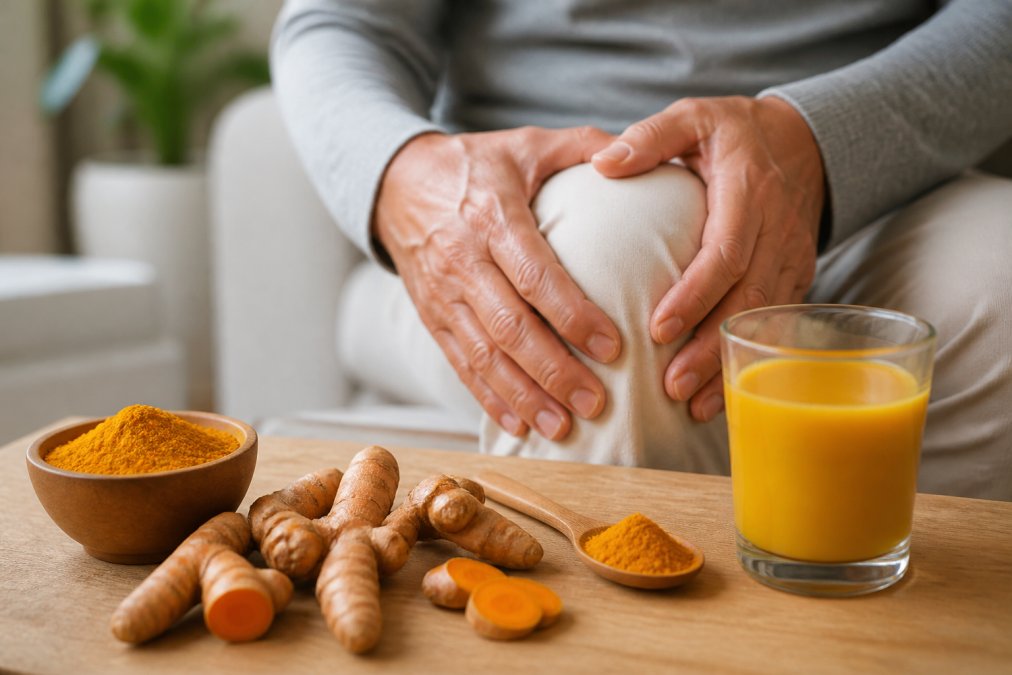
Turmeric reduces joint inflammation through its active compound curcumin, which suppresses inflammatory molecules called cytokines and T-cells by blocking nuclear factor-kappa B (NF-κB), a key protein that triggers inflammatory gene expression. Unlike standard pain relievers that mask symptoms, curcumin addresses the root inflammatory process. The compound is lipid-soluble, allowing it to accumulate in fatty tissues where joint inflammation concentrates.
Curcumin's antioxidant properties also neutralize reactive oxygen species that damage cartilage, potentially slowing degradation in conditions like osteoarthritis. This protective mechanism develops over weeks, which is why consistent dosing matters more than occasional high doses.
Curcumin vs Turmeric for Inflammation: What the Research Shows
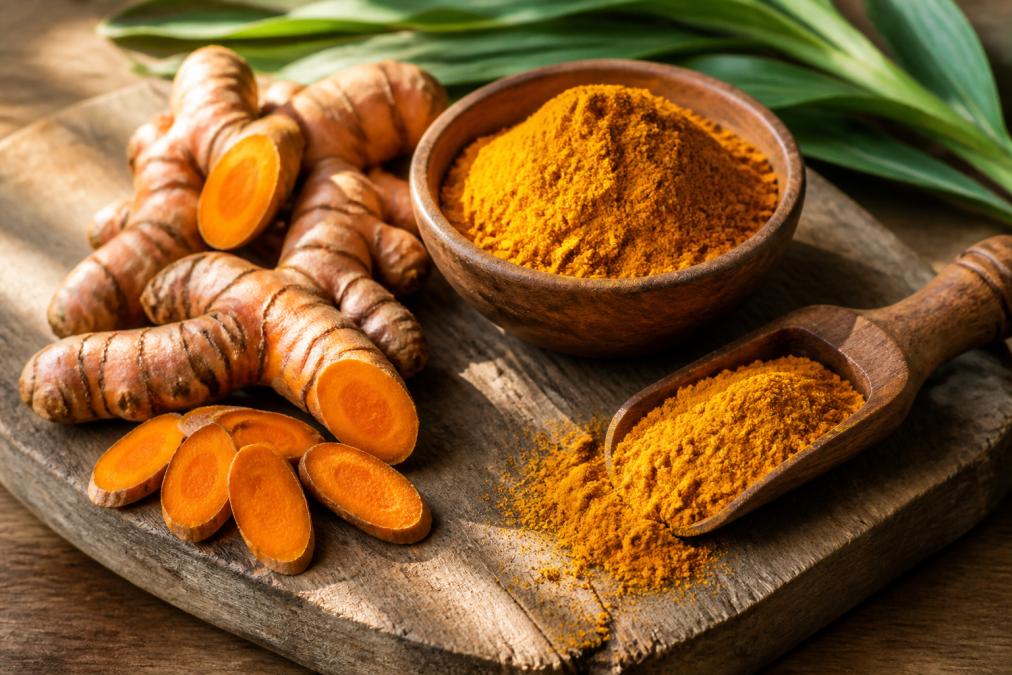
Turmeric is the whole plant root powder containing curcumin alongside other compounds. Curcumin is the isolated active alkaloid producing most of the anti-inflammatory effect. A teaspoon of turmeric powder contains approximately 150-200 milligrams of total curcuminoids, but only 3-10 milligrams of actual curcumin (peer-reviewed research). Achieving therapeutic doses through food alone requires consuming 1-2 tablespoons daily, which most people find difficult to sustain.
Standardized curcumin extracts deliver 95% pure curcumin. A single 500-milligram capsule contains 475 milligrams of curcumin, roughly equivalent to eating 50+ teaspoons of turmeric powder. Research examining turmeric's effects on osteoarthritis and rheumatoid arthritis typically uses standardized extracts with curcumin dosages ranging from 500 to 2,000 milligrams daily, amounts impossible to achieve through dietary turmeric alone.
Whole turmeric powder offers benefits beyond curcumin through other curcuminoids and compounds like turmerone that support anti-inflammatory pathways. A comprehensive approach combines standardized curcumin extract for reliable therapeutic dosing with dietary turmeric for complementary compounds.
Clinical Evidence for Joint Pain Management
Clinical trials examining curcumin for joint pain show measurable benefits, though results vary based on dosage, duration, and patient population. Studies in patients with osteoarthritis document reductions in joint pain scores, improvements in morning stiffness, and better functional mobility after 8-12 weeks of consistent supplementation. Evidence is strongest for osteoarthritis, where curcumin can modulate the inflammatory response to cartilage degradation.
A consistent finding across trials: curcumin takes time. Most studies show minimal improvement in the first 2-4 weeks, with meaningful pain reduction typically emerging between weeks 6-12. Patients in trials typically report 20-40% improvement in pain scores compared to placebo, with greatest benefits in those with severe baseline inflammation.
Bioavailability profoundly affects clinical outcomes. Studies using curcumin with piperine (black pepper extract) or other absorption enhancers show stronger results than those using plain curcumin extract. This explains why some users report no benefit, they may be taking curcumin that their body barely absorbs.
Turmeric Dosage for Joint Pain: Finding Your Therapeutic Dose
For joint inflammation, most research uses curcumin dosages between 500 and 2,000 milligrams daily, divided into multiple doses. The lower end (500-1,000 mg daily) addresses mild to moderate inflammation; higher doses (1,500-2,000 mg daily) are reserved for severe or chronic joint inflammation. Curcumin absorbs better with food, particularly fatty meals, and splitting your dose across multiple meals improves bioavailability compared to single large doses.
Individual response varies considerably based on body weight, severity of inflammation, baseline digestive health, and concurrent medications. Start with 500 milligrams daily of a standardized extract (95% curcumin) with piperine for 2-3 weeks. If you notice improvement in pain, morning stiffness, or joint swelling, maintain that dose. If no change appears after 3 weeks, increase to 750 milligrams daily, continuing this progression until you see results or reach 2,000 milligrams daily.
Most people find their optimal dose between 800 and 1,200 milligrams daily. Beyond 2,000 milligrams, additional benefit plateaus and gastrointestinal side effects become more likely. Consistency matters more than dose, 1,000 milligrams taken daily for 12 weeks beats 2,000 milligrams taken sporadically. Expect 6-12 weeks minimum for results, as curcumin must accumulate in joint tissues and suppress inflammatory pathways at the cellular level.
Bioavailability and Absorption: Why Piperine Matters
Curcumin's greatest weakness is absorption. Plain curcumin extract has poor bioavailability, your body absorbs only 5-10% of what you ingest. Piperine, the active alkaloid in black pepper, increases curcumin bioavailability by approximately 2,000% by inhibiting metabolic pathways that break down curcumin (peer-reviewed research). A 500-milligram curcumin capsule with piperine delivers more active compound to your joints than a 2,000-milligram capsule without it.
Other absorption enhancers exist. Lipid-based formulations (curcumin suspended in oil or phospholipids) improve bioavailability by 5-10 fold. Some manufacturers combine curcumin with both piperine and lipid carriers for maximum absorption. These formulations cost more but deliver results at lower doses, often offsetting the price difference through better efficacy.
Taking curcumin with fatty meals increases absorption significantly compared to taking it with water or carbohydrates alone. Digestive health influences bioavailability too, conditions affecting gut barrier function, enzyme production, or bile acid metabolism reduce curcumin absorption. Addressing underlying digestive dysfunction sometimes matters as much as the supplement itself.
Side Effects of Turmeric Supplements and Drug Interactions
Turmeric and curcumin are generally well-tolerated at recommended doses, but gastrointestinal side effects occur in a meaningful portion of users. The most common complaints are mild nausea, stomach upset, or loose stools, typically appearing at doses above 1,500 milligrams daily or when taken on an empty stomach. These effects usually resolve within days as your digestive system adapts, or disappear entirely when you take the supplement with food.
Curcumin inhibits cytochrome P450 enzymes, the metabolic machinery your liver uses to process many medications. This can increase blood levels of drugs that rely on these pathways, potentially causing side effects or toxicity. Medications of particular concern include blood thinners (warfarin), antiplatelet agents (clopidogrel), and certain statins. If you take anticoagulants or antiplatelet medications, curcumin supplementation may enhance their effects, increasing bleeding risk. This doesn't mean you can't use curcumin, it means you need medical supervision.
Curcumin may reduce blood sugar levels, potentially problematic if you're taking diabetes medications. Pregnancy and lactation are relative contraindications due to limited safety data for high-dose curcumin. Gallbladder disease requires caution, as curcumin stimulates bile production and gallbladder contraction, which can trigger pain or complications in those with gallstones or bile duct obstruction.
Quality Control and Third-Party Testing
The supplement industry has minimal regulatory oversight compared to pharmaceuticals. A supplement label claiming "500 mg curcumin" might contain anywhere from 50 to 500 milligrams of actual curcumin, depending on the manufacturer's standards. Third-party testing addresses this gap through independent laboratories that verify ingredient accuracy, purity, and contaminants.
Look for third-party testing seals on your supplement label. NSF Certified for Sport, USP Verified, and ConsumerLab Approved are the most reliable marks. These certifications cost manufacturers money, so they're found primarily on higher-quality products. Quality curcumin supplements include piperine or other bioavailability enhancers, specify curcumin content and standardization percentage, and list all ingredients transparently.
Supplements made in FDA-registered facilities with Good Manufacturing Practices (GMP) certification have better quality control than those made in unregulated facilities. Source transparency matters, reputable manufacturers source from specific regions known for clean turmeric and test each batch for contaminants. Cost correlates with quality in the supplement market. Mid-range supplements typically offer good value with piperine, third-party certification, and standardized extracts.
Integrating Turmeric Into a Comprehensive Joint Care Plan
Turmeric supplementation works best as part of a broader joint health strategy. The most effective approaches combine curcumin with physical therapy, lifestyle modifications, and sometimes additional supplements that address different aspects of joint inflammation.
Physical activity is foundational. Low-impact exercise like walking, swimming, or tai chi maintains joint mobility, strengthens supporting muscles, and improves circulation to inflamed areas. Curcumin supplements enhance these benefits but don't replace the need for movement.

Dietary modifications amplify curcumin's effects. Reducing pro-inflammatory foods, refined carbohydrates, and processed foods decreases the inflammatory burden your body must manage. Increasing omega-3 rich foods like fatty fish, flax, and walnuts provides anti-inflammatory substrates. Sleep and stress management matter profoundly, chronic stress elevates inflammatory cytokines, and poor sleep impairs immune regulation and tissue repair. Weight management reduces joint stress directly and promotes systemic inflammation reduction.
Complementary supplements address different inflammatory pathways. Omega-3 fatty acids reduce inflammatory eicosanoid production. Quercetin and other polyphenols provide additional antioxidant support. Collagen peptides supply building blocks for cartilage repair. These work synergistically with curcumin rather than replacing it.
Professional guidance matters. Joint inflammation has multiple causes, and optimal treatment varies accordingly. A qualified practitioner can assess your specific situation and recommend appropriate interventions. The timeline for integrated treatment is typically 8-12 weeks before meaningful improvement becomes apparent. During this period, consistency matters more than intensity.
Joint inflammation responds best to a multifaceted approach that addresses the root inflammatory process rather than just masking symptoms. While turmeric and curcumin offer evidence-based benefits for joint pain and mobility, they work most effectively when combined with physical activity, dietary improvements, and professional care. If you're struggling with chronic joint inflammation and haven't explored comprehensive integrative approaches, Alternative Health & Healing Center offers personalized assessment and treatment planning. Our team brings nearly 40 years of clinical experience and specialized training in Applied Kinesiology to identify the specific drivers of your inflammation and design a treatment strategy that addresses your individual needs. Request an appointment to discuss how integrative care can help you achieve lasting relief and restored mobility.
Frequently Asked Questions
How long does it take for turmeric to help with joint inflammation?
Most people notice improvements in joint pain within 4-8 weeks of consistent turmeric supplementation, though some experience relief sooner. Clinical trials typically measure outcomes at 8-12 weeks. Results depend on dosage, curcumin bioavailability, and the severity of inflammation. Consistency matters more than immediate results, turmeric works best as part of a sustained regimen rather than occasional use.
Is it safe to take turmeric every day for joint inflammation?
Daily turmeric use is generally well-tolerated for most people at recommended doses (500-2000 mg of curcumin daily). However, long-term supplementation should be discussed with a qualified healthcare provider, especially if you take blood thinners, have gallstones, or are pregnant. Some individuals experience gastrointestinal side effects with daily use. Quality matters, third-party tested supplements reduce contamination risks associated with long-term intake.
What is the difference between curcumin and turmeric for reducing joint inflammation?
Turmeric is the whole spice containing curcumin as its active compound. Curcumin is responsible for the anti-inflammatory effects, but it comprises only 2-5% of turmeric by weight. Standardized curcumin supplements deliver consistent therapeutic doses, while turmeric powder provides lower concentrations. For joint inflammation specifically, curcumin extracts with piperine show stronger bioavailability and faster anti-inflammatory action than turmeric powder alone.
Can turmeric supplements interact with pain medications or blood thinners?
Turmeric has mild blood-thinning properties and may interact with anticoagulants like warfarin or antiplatelet drugs. It can also affect metabolism of certain medications through liver enzymes. If you take prescription pain relievers, blood pressure medications, or anticoagulants, consult your healthcare provider before starting turmeric supplements. Timing doses separately from medications and monitoring for adverse reactions reduces interaction risk.


