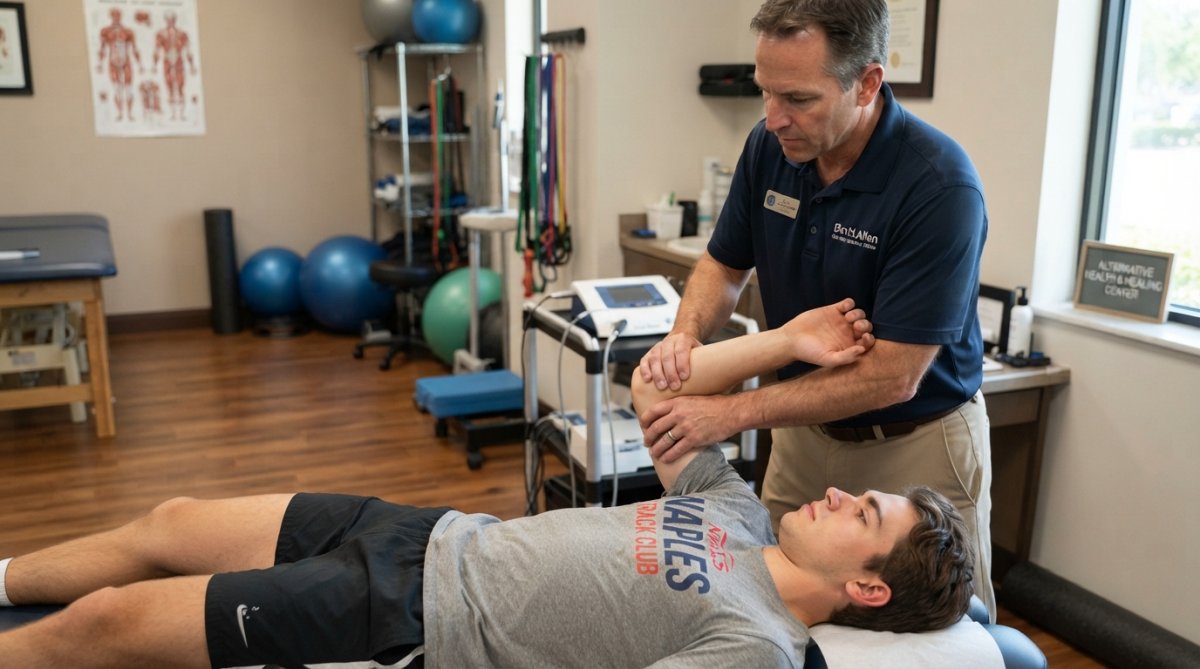
 how-to
Applied Kinesiology for Athletes: 7 Performance Benefits
Table of Contents
- What Is Applied Kinesiology and How Does It Work for Athletes?
- Muscle Testing for Athletes: The Foundation of Performance Assessment
- Neuromuscular Assessment in Sports: Identifying Dysfunction Before Injury
- Seven Key Benefits of Applied Kinesiology for Athletic Performance
- 1. Enhanced Range of Motion and Functional Movement
- 2. Injury Prevention Through Early Detection
- 3. Faster Recovery Time and Reduced Downtime
- 4. Correction of Postural and Muscle Imbalances
- 5. Pain Relief Without Invasive Intervention
- 6. Nervous System Optimization and Stress Reduction
- 7. Sport-Specific Protocol Development
- Kinesiology Rehabilitation for Sports Recovery and Performance
- Integration with Modern Sports Science and Clinical Evidence
- Common Mistakes Athletes Make When Pursuing Applied Kinesiology Care
- Conclusion: Unlocking Your Athletic Potential with Applied Kinesiology
- Frequently Asked Questions
Last Updated: July 23, 2026
What Is Applied Kinesiology and How Does It Work for Athletes?
Applied kinesiology represents a comprehensive system that evaluates how your nervous system communicates with your muscular system, revealing imbalances and dysfunctions that conventional strength training alone cannot address. At Alternative Health & Healing Center in Naples, Florida, we've spent nearly 40 years helping athletes unlock performance gains through this specialized approach to neuromuscular assessment and treatment.
Applied kinesiology uses manual muscle testing as a diagnostic tool. When a muscle tests weak during assessment, it signals that the nerve pathway controlling that muscle needs attention, not necessarily that the muscle itself lacks size or power. The system integrates spinal adjustments to restore proper nerve function, cranial treatments to address nervous system restrictions, nutritional assessment to identify deficiencies, and targeted therapeutic interventions that address root causes rather than just treating symptoms.
Differentiating Applied Kinesiology from Kinesiology Taping
Kinesiology taping is a physical modality, colorful elastic tape applied to skin for proprioceptive feedback and mild support during activity. Applied kinesiology is a diagnostic and treatment system that identifies nervous system-muscle communication problems and corrects them through manual therapy, adjustments, and targeted interventions. Kinesiology taping provides temporary performance support; applied kinesiology addresses underlying dysfunction to eliminate the reason pain exists in the first place.
Muscle Testing for Athletes: The Foundation of Performance Assessment
Manual muscle testing forms the cornerstone of applied kinesiology evaluation. Unlike strength testing at a gym, which measures force production, manual muscle testing checks whether a muscle responds appropriately to neurological demand. A muscle testing strong indicates healthy nerve-muscle communication. A muscle testing weak, even if you're physically strong, signals that the nervous system isn't properly activating that muscle.
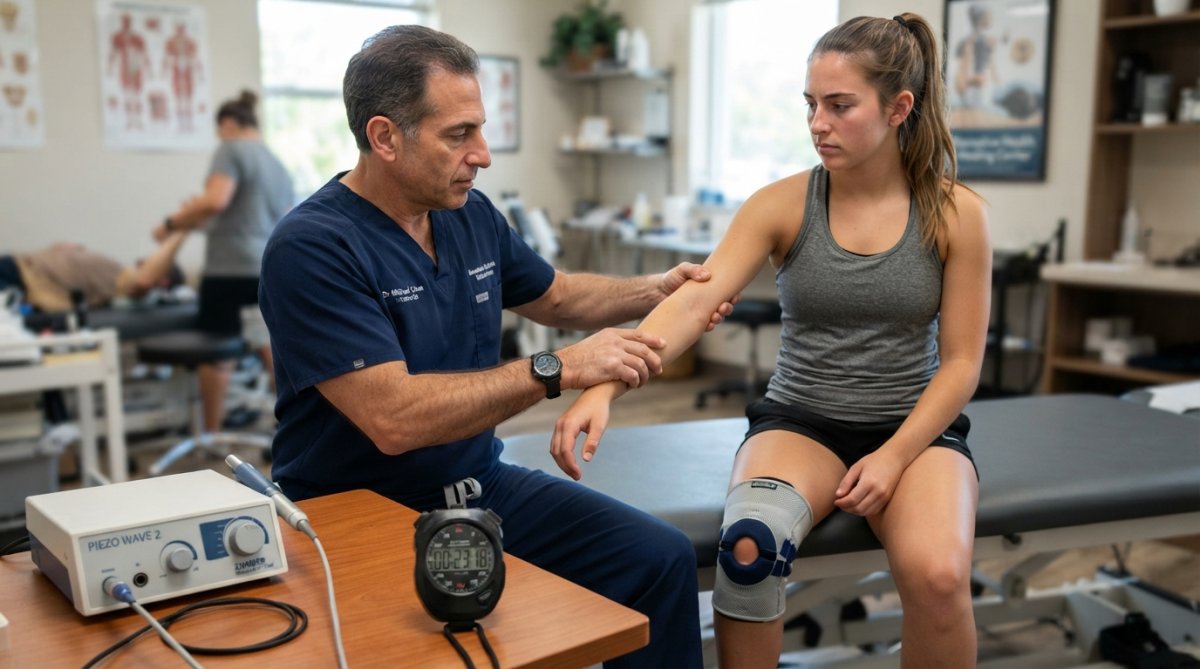
How Manual Muscle Testing Reveals Hidden Imbalances
Manual muscle testing identifies imbalances that create compensation patterns throughout your body. When one muscle group tests weak, adjacent muscles work overtime to compensate, creating postural distortion, uneven load distribution, and increased injury risk. During testing, the practitioner positions your body in specific ways, applies pressure to target muscles, and evaluates your ability to resist. A weak response indicates the need for therapeutic intervention to restore nerve function through spinal adjustment, cranial treatment, or other specific protocols.
Neuromuscular Assessment in Sports: Identifying Dysfunction Before Injury
Neuromuscular assessment in sports represents the preventative side of applied kinesiology. Rather than waiting for injury to occur, this approach identifies dysfunction patterns that precede injury. An athlete might feel fine, but muscle testing reveals imbalances that will eventually cause problems if left unaddressed. This assessment evaluates how your nervous system controls movement patterns specific to your sport, identifying where sport-specific movement patterns are breaking down at the neurological level.
Self-Assessment vs. Professional Care: When to Seek Expert Evaluation
Self-assessment has serious limitations. While you can notice obvious symptoms like pain or weakness, you cannot reliably perform manual muscle testing on yourself or identify the specific nerve-muscle communication problems that applied kinesiology addresses. Professional evaluation becomes essential when dealing with performance plateaus, recurring injuries, or persistent pain that hasn't responded to conventional training. A practitioner trained in applied kinesiology can identify imbalances you wouldn't detect on your own and develop a specific protocol to address them.
Seven Key Benefits of Applied Kinesiology for Athletic Performance
| Benefit | Impact | Timeline |
|---|---|---|
| Enhanced Range of Motion | Increased flexibility and movement quality | 2-4 weeks |
| Injury Prevention | Identifies dysfunction before injury occurs | Ongoing |
| Faster Recovery | Reduced downtime between training sessions | 1-3 weeks |
| Postural Correction | Eliminates compensation patterns | 4-8 weeks |
| Pain Relief | Addresses root causes rather than symptoms | 2-6 weeks |
| Nervous System Optimization | Improves stress response and recovery | 3-8 weeks |
| Sport-Specific Performance | Tailored protocols for your sport | 4-12 weeks |
1. Enhanced Range of Motion and Functional Movement
Restricted range of motion often reflects nervous system dysfunction rather than tight muscles. Applied kinesiology restores proper nerve function, allowing muscles to relax fully and joints to move through their complete range. This improvement translates directly to performance, a tennis player with restricted shoulder rotation loses serve velocity; a swimmer with limited hip extension sacrifices power and efficiency. Athletes often report that movements feel easier, smoother, and more powerful once proper range returns.
2. Injury Prevention Through Early Detection
Applied kinesiology identifies muscle imbalances and nerve dysfunction before they manifest as injury. Rather than waiting for a muscle strain, tendon inflammation, or ligament sprain to force time off training, practitioners identify underlying dysfunction and address it. This preventative approach saves athletes months of lost training time.
3. Faster Recovery Time and Reduced Downtime
Applied kinesiology accelerates recovery by addressing the nervous system factors that slow healing. When nerve pathways controlling injured tissue are compromised, inflammation persists and healing stalls. Restoring proper nerve function removes this barrier to recovery. Athletes pursuing applied kinesiology care report returning to training faster than expected, with muscle soreness resolving quickly and inflammation decreasing.
4. Correction of Postural and Muscle Imbalances
Postural problems reflect nervous system-driven muscle imbalances rather than willpower or conscious effort. Applied kinesiology practitioners identify which specific muscles are testing weak and driving postural dysfunction, then apply targeted interventions to restore nerve function. As nerve-muscle communication normalizes, posture improves naturally. Athletes notice they stand taller, move more efficiently, and experience less strain through their spine and joints.
5. Pain Relief Without Invasive Intervention
Chronic pain in athletes often reflects nervous system dysfunction and muscle imbalance rather than structural damage. Applied kinesiology addresses the neuromuscular factors driving pain. When proper nerve function returns and muscle imbalances resolve, pain often disappears completely, offering relief without surgery, injections, or long-term medication dependence.
6. Nervous System Optimization and Stress Reduction
Applied kinesiology recognizes that your nervous system controls muscle function, recovery, immune response, and stress resilience. Therapeutic interventions, particularly spinal adjustment and cranial treatment, normalize nervous system function. Athletes report improved sleep quality, faster recovery between sessions, better stress management, and enhanced mental clarity.
7. Sport-Specific Protocol Development
Applied kinesiology practitioners develop protocols tailored to the specific demands of your sport. Sport-specific protocols identify which muscles are most critical for your sport's performance and which imbalances create the highest injury risk. Rather than generic fitness programming, you receive targeted interventions designed to optimize performance in your specific athletic context.
Kinesiology Rehabilitation for Sports Recovery and Performance
Rehabilitation through applied kinesiology restores proper nerve-muscle communication, addressing root causes rather than just treating symptoms. The process begins with comprehensive muscle testing to identify which specific muscles are testing weak and which nerve pathways are compromised. The practitioner then develops a protocol that might include spinal adjustments, cranial treatment, therapeutic exercises to re-establish proper muscle activation patterns, and nutritional support.
Therapeutic Intervention Strategies for Common Athletic Injuries
Different injuries require different intervention strategies. For muscle strains, the focus is restoring proper nerve function to the injured muscle and addressing any spinal misalignment that contributed to the injury. For joint injuries, protocols address both local joint dysfunction and the muscle imbalances that created injury risk. The key principle is that lasting recovery requires addressing the nervous system factors that allowed injury to occur.
Integration with Modern Sports Science and Clinical Evidence
Applied kinesiology operates alongside modern sports science rather than in opposition to it. Biomechanical analysis, strength testing, and sports medicine expertise all contribute valuable information. Applied kinesiology adds the neuromuscular assessment dimension that other approaches often miss, directly addressing the nervous system factors that control force production, movement efficiency, and injury prevention.
How Applied Kinesiology Complements Traditional Sports Medicine
Traditional sports medicine excels at diagnosing structural injuries and providing acute care. Applied kinesiology complements this approach by addressing the neuromuscular dysfunction that precedes injury and that can persist even after structural healing. Many athletes complete physical therapy successfully yet continue experiencing performance limitations. Applied kinesiology assessment often reveals that nerve-muscle communication has not fully normalized. The two approaches work synergistically, structural repair plus neuromuscular restoration equals complete recovery.
According to the American College of Sports Medicine, comprehensive athletic care addresses multiple dimensions of function. Applied kinesiology provides the neuromuscular assessment and treatment component that optimizes nervous system function alongside other sports medicine interventions.
Common Mistakes Athletes Make When Pursuing Applied Kinesiology Care
The most common mistake is waiting too long to seek care. Athletes often pursue applied kinesiology only after injuries have occurred and conventional rehabilitation has stalled. Starting earlier produces better results and prevents injuries from developing.
Another frequent mistake is pursuing care inconsistently. The nervous system requires time to adapt and normalize. Consistent care over several weeks allows the nervous system to establish new, healthier patterns. Athletes who commit to a structured protocol see significantly better outcomes than those who drop in occasionally.
Athletes sometimes also fail to follow through with home protocols or expect immediate results. Nervous system adaptation takes time. While some improvements occur quickly, establishing lasting changes typically requires several weeks of consistent care.
Research from the Journal of Chiropractic Medicine demonstrates that comprehensive neuromuscular treatment protocols produce superior outcomes compared to single-intervention approaches.
Conclusion: Unlocking Your Athletic Potential with Applied Kinesiology
Most athletes leave performance gains on the table because they never address the nervous system factors that limit their potential. Strength training, conditioning, and technique work all matter, but they operate within the constraints set by your nervous system's ability to control muscle function.
Applied kinesiology identifies and corrects the nervous system-muscle communication problems that hold back performance. At Alternative Health & Healing Center, our team combines nearly 40 years of clinical experience with advanced assessment techniques to reveal exactly what's limiting your performance. We use manual muscle testing to identify specific imbalances, spinal adjustment to restore nerve function, and targeted therapeutic protocols to optimize your athletic capabilities. Whether you're dealing with chronic pain, recurring injuries, or a performance plateau, our applied kinesiology approach addresses root causes rather than just managing symptoms. Request an appointment with Alternative Health & Healing Center today and discover how proper nervous system function transforms athletic performance and resilience.
Frequently Asked Questions
What is applied kinesiology and how does it work for athletes?
Applied kinesiology is a clinical assessment method that uses manual muscle testing and biofeedback to identify neuromuscular dysfunction and imbalances. For athletes, it works by detecting weak muscles or postural misalignments before they cause injury. Practitioners use specific muscle monitoring techniques to evaluate nervous system function and body mechanics, then apply targeted therapeutic interventions, such as spinal adjustments, soft tissue work, or rehabilitation protocols, to restore optimal performance and prevent injury.
How does applied kinesiology differ from kinesiology taping for athletes?
Applied kinesiology (AK) is a diagnostic and therapeutic system based on muscle testing and nervous system assessment, performed by trained practitioners. Kinesiology taping (KT) is a physical support technique using elastic tape applied to muscles and joints. AK identifies the root cause of dysfunction through clinical assessment; KT provides external support for movement. Athletes often benefit from both, AK for diagnosis and treatment planning, KT as an adjunct for performance support and proprioceptive feedback during activity.
Can applied kinesiology help prevent sports injuries?
Yes. Applied kinesiology identifies muscle imbalances, range of motion restrictions, and neurological dysfunction before they develop into injuries. Through neuromuscular assessment and manual muscle testing, practitioners detect weak stabilizer muscles or postural problems that increase injury risk. Early therapeutic intervention, such as corrective exercises, spinal adjustment, or functional movement training, addresses these issues. This preventative care approach reduces recovery time and helps athletes maintain consistent training without sidelining injuries.
How long does it take to see benefits of applied kinesiology for athletic performance?
Recovery time varies based on the severity of dysfunction and individual response. Some athletes notice improved range of motion or pain relief within 1-3 sessions. Others requiring more extensive rehabilitation or postural correction may benefit over 4-8 weeks of consistent care. Sport-specific protocols and nervous system optimization typically show cumulative benefits over time. Your practitioner will develop a personalized treatment plan and monitor progress through ongoing muscle testing and functional assessment to adjust care as needed.


