 listicle
Best Holistic Pain Management for Seniors: 9 Methods
Table of Contents
- 1. Acupuncture and Acupressure for Chronic Pain Relief
- 2. Massage Therapy and Myofascial Release
- 3. Physical Therapy and Therapeutic Movement
- 4. Non-Pharmacological Pain Management for Seniors
- 5. Mind-Body Techniques for Pain Management
- 6. Yoga and Stretching for Low-Back Pain and Mobility
- 7. Natural Pain Relief for Elderly: Herbal Remedies and Supplements
- 8. Chiropractic Care and Spinal Alignment
- 9. Integrative Care: Combining Methods for Maximum Relief
- Frequently Asked Questions
Last Updated: July 10, 2026
Chronic pain affects millions of older adults, and many seniors struggle to find relief without medication side effects. The best holistic pain management for seniors combines multiple therapeutic approaches, acupuncture, massage, mindfulness, and physical movement, to address pain at its source. At Alternative Health & Healing Center in Naples, Florida, we've spent nearly 40 years helping patients discover how integrative care restores function and quality of life. This guide explores nine evidence-based methods seniors can implement at home or with professional guidance.
Quick Overview
| Method | Best For | Time Commitment | Key Benefit |
|---|---|---|---|
| Acupuncture | Localized pain, arthritis | 30-60 min sessions, 1-2x weekly | Drug-free pain relief |
| Massage therapy | Muscle tension, stiffness | 60 min sessions, 1-2x monthly | Improved circulation and mobility |
| Physical therapy | Recovery, mobility restoration | 30-45 min sessions, 2-3x weekly | Functional strength rebuilding |
| TENS units | Joint and nerve pain | 20-30 min daily | Portable, affordable relief |
| Mindfulness meditation | Stress-related pain | 10-20 min daily | Reduces pain perception |
| Yoga and stretching | Flexibility, low-back pain | 20-45 min, 3-4x weekly | Preventive maintenance |
| Herbal remedies | Inflammation, general aching | Daily with meals | Natural anti-inflammatory support |
| Heat therapy | Arthritis, deep muscle pain | 15-20 min sessions | Penetrating warmth for stiffness |
| Chiropractic care | Spinal misalignment, nerve pain | 30-45 min sessions, 1-2x weekly | Structural realignment and relief |
1. Acupuncture and Acupressure for Chronic Pain Relief
Acupuncture works by stimulating specific points on the body to restore energy flow and reduce pain signals. For seniors with arthritis, back pain, or neuropathy, this ancient practice offers a non-pharmacological alternative.
How acupuncture works for seniors
Fine needles inserted into acupuncture points trigger the release of endorphins, your body's natural pain-relieving chemicals. The stimulation also reduces inflammation and improves blood flow. Many seniors report noticeable relief after 4-6 sessions. The practice requires no medication interactions, making it safe even for those on blood thinners. Sessions typically last 30-60 minutes, with weekly or bi-weekly treatments initially, then spacing out as symptoms improve.
Safety considerations and finding qualified practitioners
Ensure your acupuncturist is licensed and experienced with seniors. Look for certifications from recognized acupuncture boards and ask about their approach to needle depth and pressure. Inform your provider about medications, especially blood thinners like warfarin. A qualified practitioner will assess your individual situation and adjust their approach accordingly.
2. Massage Therapy and Myofascial Release
Massage therapy addresses muscular tension and restricted movement, one of the most common pain sources in aging. Myofascial release techniques are particularly valuable because they address restricted fascia, the connective tissue that tightens with age, restoring mobility and reducing pain.
Most seniors benefit from monthly massage sessions for maintenance, or bi-weekly sessions for acute pain. Sessions typically run 60 minutes, allowing time to address multiple problem areas. The Thermophore MaxHEAT heating pad pairs well with massage; use it before a session to warm muscles and improve blood flow.
3. Physical Therapy and Therapeutic Movement
Physical therapy represents one of the most evidence-based approaches to managing chronic pain in seniors. A licensed physical therapist conducts a thorough assessment of your movement patterns, strength, and flexibility, then designs a personalized program targeting the specific deficits causing pain.
The key advantage is that physical therapy builds capacity. Each session teaches your body to move more efficiently, reducing pain over time rather than masking it. Most seniors attend 2-3 sessions weekly for 6-8 weeks, then transition to a home maintenance program. Research consistently shows that seniors who engage in regular therapeutic movement experience significant pain reduction and improved quality of life.
4. Non-Pharmacological Pain Management for Seniors
TENS units and heat therapy devices
Transcutaneous electrical nerve stimulation (TENS) units block pain signals before they reach your brain by sending mild electrical pulses through electrode pads on your skin. The TENS 7000 Digital TENS Unit offers dual-channel operation with five distinct therapy modes. Most seniors use it for 20-30 minutes daily at approximately $30-40, significantly more affordable than repeated professional sessions.
Heat therapy penetrates deeper, warming muscles and joints to reduce stiffness and improve circulation. The Thermophore MaxHEAT uses moist heat technology, with moisture drawn from the air creating deeper penetration than standard heating pads. Physical therapists recommend it specifically for seniors with arthritis, as moist heat reduces inflammation more effectively than dry alternatives.
Sleep optimization with ergonomic support
Poor sleep quality amplifies pain perception. Upgrading your pillow and mattress support is one of the highest-impact changes you can make. An ergonomic pillow maintains neutral spine alignment during sleep, preventing morning stiffness that compounds chronic pain. The Derila Ergo Pillow uses contoured memory foam to support the cervical spine. Sleep quality directly influences pain perception; well-rested seniors report 20-30% less pain than those with poor sleep.
5. Mind-Body Techniques for Pain Management
Pain is not purely physical; the brain's interpretation of pain signals dramatically influences how much you suffer. Mind-body techniques teach your nervous system to reduce pain perception by shifting how your brain processes pain signals.
Mindfulness-based stress reduction and guided meditation
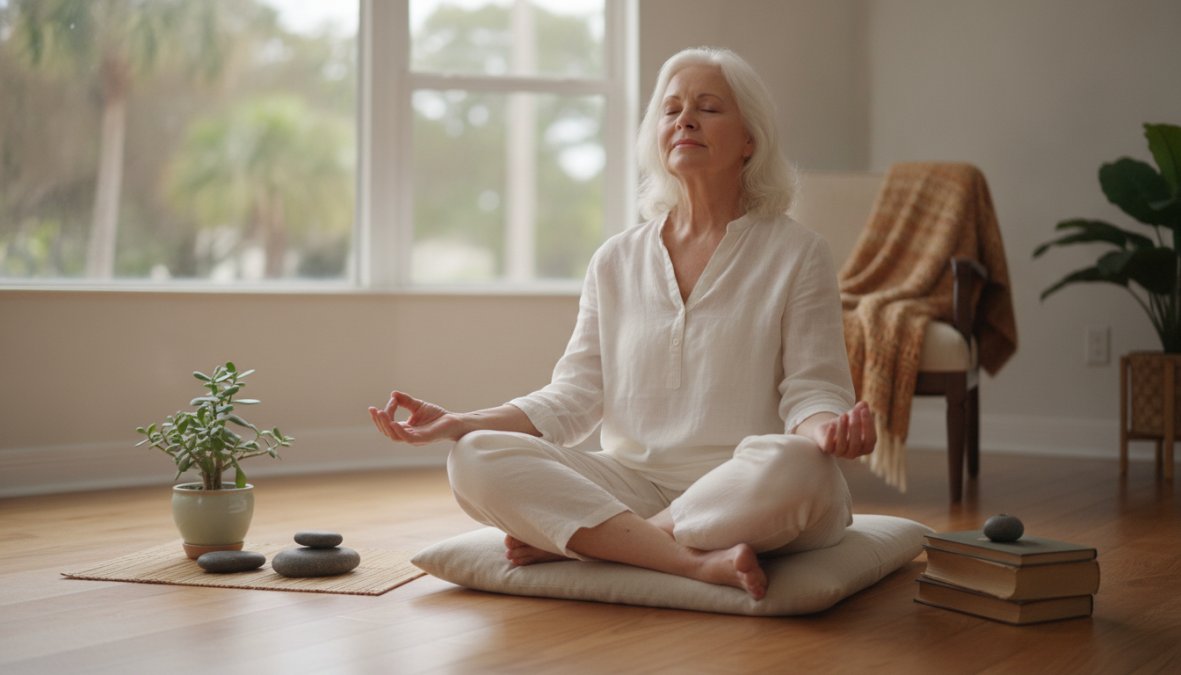
Mindfulness meditation trains your attention to observe pain without reacting to it. Rather than fighting pain or fearing it, you learn to notice it with curiosity and acceptance. Research shows that seniors practicing mindfulness meditation for 10-20 minutes daily experience measurable reductions in pain and anxiety. Consistent daily practice produces better results than occasional sessions.
Digital apps for pain reprocessing and tracking
Pain reprocessing therapy (PRT) apps like Curable guide you through exercises designed to help your brain recognize that pain signals are no longer protective. By retraining your brain's threat detection system, you can reduce pain intensity and frequency. Most users see results after 4-6 weeks of daily engagement.
Branch (formerly Ouchie) focuses on pain tracking and communication with healthcare providers. You log pain levels, treatments, and responses, then share this data with your doctor. This creates a comprehensive pain history that helps your medical team understand patterns and adjust your treatment plan.
6. Yoga and Stretching for Low-Back Pain and Mobility
Gentle yoga and consistent stretching address low-back pain and reduced mobility. Unlike high-intensity exercise, therapeutic yoga builds strength while improving flexibility, preventing pain rather than just treating it. For seniors, the goal isn't achieving advanced poses but maintaining spinal mobility, strengthening core muscles, and improving balance.
Seniors who practice 3-4 times weekly see dramatic improvements in mobility and pain levels within 4-6 weeks. Many seniors prefer chair yoga or modified poses that accommodate arthritis or balance concerns. A qualified yoga instructor experienced with older adults will offer modifications for every pose.
7. Natural Pain Relief for Elderly: Herbal Remedies and Supplements
Many seniors turn to herbal remedies for anti-inflammatory support. Turmeric contains curcumin, a compound with documented anti-inflammatory properties. Studies show seniors taking turmeric supplements experience reduced joint pain and improved mobility. Typical dosing is 500-1000mg daily, taken with black pepper to enhance absorption. However, turmeric can interact with blood thinners; consult your doctor before starting.
Ginger offers similar anti-inflammatory benefits and is generally well-tolerated. Fresh ginger tea or supplements (500-1000mg daily) reduce inflammation and improve circulation. Omega-3 fatty acids from fish oil reduce systemic inflammation contributing to joint pain, with typical doses of 1000-2000mg daily of combined EPA and DHA.
Anti-inflammatory herbs and drug-herb interaction warnings
Before starting any herbal supplement, create a complete list of your current medications and discuss it with your healthcare provider or pharmacist. Common interactions include:
- Turmeric + blood thinners (warfarin, aspirin): increased bleeding risk
- Ginger + blood thinners: mild increased bleeding risk
- St. John's Wort + SSRIs: can reduce antidepressant effectiveness
- Ginkgo + blood thinners: increased bleeding risk
Inform all your healthcare providers about every supplement you take. Your pharmacist can run a drug-interaction check on your entire regimen. Quality matters significantly; look for products certified by NSF International or USP, which verify that supplements contain what the label claims and are free from contaminants.
8. Chiropractic Care and Spinal Alignment
Chiropractic care addresses pain caused by spinal misalignment, which can pinch nerves and restrict movement. A chiropractor begins with a thorough assessment, often including imaging, to identify specific misalignments. They then use controlled force to realign vertebrae, reducing pressure on nerves. For seniors, adjustments are typically gentler, using lower force to accommodate bone density changes.
The integrative approach combines chiropractic adjustments with other therapies like massage, stretching exercises, and ergonomic advice. Alternative Health & Healing Center combines chiropractic care with advanced technologies like Piezo Wave 2 therapy, which uses acoustic waves to stimulate healing in tissues. Most seniors benefit from 1-2 sessions weekly initially, then spacing out to maintenance visits every 2-4 weeks.
9. Integrative Care: Combining Methods for Maximum Relief
The most effective approach combines multiple methods tailored to your specific condition. A senior with low-back pain might benefit from physical therapy to rebuild core strength, yoga to maintain flexibility, heat therapy for daily relief, and occasional massage. Someone with arthritis might use TENS units, herbal anti-inflammatories, acupuncture, and mindfulness meditation.
Work with practitioners who understand how to coordinate care. Rather than seeing separate specialists who don't communicate, seek an integrative practice that designs a coordinated plan. Track what works for you in a simple pain journal noting which treatments provide relief, how long relief lasts, and any side effects. After 4-6 weeks, you'll have clear data about which methods deserve continued investment.
Consistency matters more than intensity. A senior who practices 20 minutes of daily stretching and meditation will experience better long-term results than someone who occasionally attends intensive therapy sessions.
Managing chronic pain as you age doesn't require accepting reduced quality of life or becoming dependent on medications with problematic side effects. The best holistic pain management for seniors integrates multiple evidence-based approaches, addressing pain at its source.
Alternative Health & Healing Center specializes in integrative care. With nearly 40 years of clinical experience and expertise in Applied Kinesiology, our team designs personalized treatment plans combining chiropractic adjustments, advanced technologies like Piezo Wave 2, and complementary therapies to relieve musculoskeletal and nerve pain. Rather than masking symptoms, we focus on restoring healthy body functioning so you can return to the activities you enjoy. Request an appointment today and discover how integrative care can transform your relationship with pain and movement.
Frequently Asked Questions
What is the best holistic pain management approach for seniors with multiple chronic conditions?
The best holistic pain management for seniors typically combines multiple complementary therapies rather than relying on a single method. A multidisciplinary approach integrating acupuncture, physical therapy, mind-body techniques like mindfulness meditation, and non-pharmacological tools such as TENS units or heat therapy often yields the most effective results. Consult with your healthcare provider to create a personalized plan that addresses your specific conditions, medications, and health goals.
Are there drug-herb interactions seniors should know about when using natural pain relief?
Yes, herbal remedies like turmeric, ginger, and essential oils can interact with common senior medications including blood thinners, anti-inflammatory drugs, and diabetes medications. Always inform your healthcare provider about any supplements or herbal remedies you're considering. Some herbs may increase bleeding risk or reduce medication effectiveness. Your doctor or pharmacist can review potential interactions before you start any natural pain relief regimen.
Does Medicare cover integrative therapies like acupuncture or massage for pain management?
Medicare coverage for integrative therapies varies. Medicare Part B covers acupuncture for chronic lower back pain under specific conditions, while massage therapy is typically not covered by Original Medicare. Some Medicare Advantage plans offer broader coverage for complementary therapies. Contact your specific Medicare plan to understand what holistic pain management services are covered, and ask about out-of-pocket costs for treatments not included in your plan.
What mind-body techniques for pain work best for seniors with limited mobility?
Mindfulness-based stress reduction, guided meditation, and digital pain management apps like Curable or Pathways can be done from a seated or lying position, making them ideal for seniors with mobility limitations. These techniques don't require physical movement but effectively reduce pain perception through neuroscience-based approaches. Even 10-15 minutes daily of guided meditation or pain reprocessing exercises can improve quality of life and reduce reliance on pain medication.
How can caregivers support seniors implementing a holistic pain management plan?
Caregivers can help by attending healthcare appointments, tracking which therapies work best, assisting with physical therapy exercises, ensuring proper use of devices like heating pads or TENS units, managing supplement schedules to avoid drug-herb interactions, and helping seniors access digital apps or meditation programs. Caregivers should also monitor for safety concerns, report side effects to healthcare providers, and encourage consistent practice of pain management techniques for optimal results.