 how-to
Heal Joint Cartilage Naturally: A Step-by-Step Guide
Table of Contents
- Can Joint Cartilage Heal on Its Own?
- Foods That Repair Cartilage and Support Joint Health
- Best Supplements for Joint Cartilage Regeneration
- Exercises to Strengthen Cartilage and Restore Mobility
- Lifestyle Modifications That Accelerate Cartilage Healing
- What Not to Do: Common Mistakes That Slow Cartilage Healing
- Integrative Therapies That Support Natural Cartilage Regeneration
- Frequently Asked Questions
Last Updated: August 16, 2026
Can Joint Cartilage Heal on Its Own?
Yes, joint cartilage can heal on its own, but the process depends on the type and severity of damage, your age, and the steps you take to support regeneration. Cartilage lacks its own blood supply, relying instead on movement, nutrient diffusion, and surrounding tissue health to repair itself. Minor cartilage damage can regenerate over weeks to months with proper support; significant damage takes longer and requires a comprehensive approach. The key insight: healing isn't passive. Your daily choices about food, exercise, sleep, and stress directly influence whether your body prioritizes cartilage regeneration or allows inflammation to dominate.
Foods That Repair Cartilage and Support Joint Health
The foods you eat directly influence whether your body builds or breaks down cartilage. Cartilage is made primarily of collagen, proteoglycans, and water. To repair it, your body needs specific amino acids, minerals, and compounds that support collagen synthesis and reduce inflammation.
Collagen-Rich Foods and Amino Acids
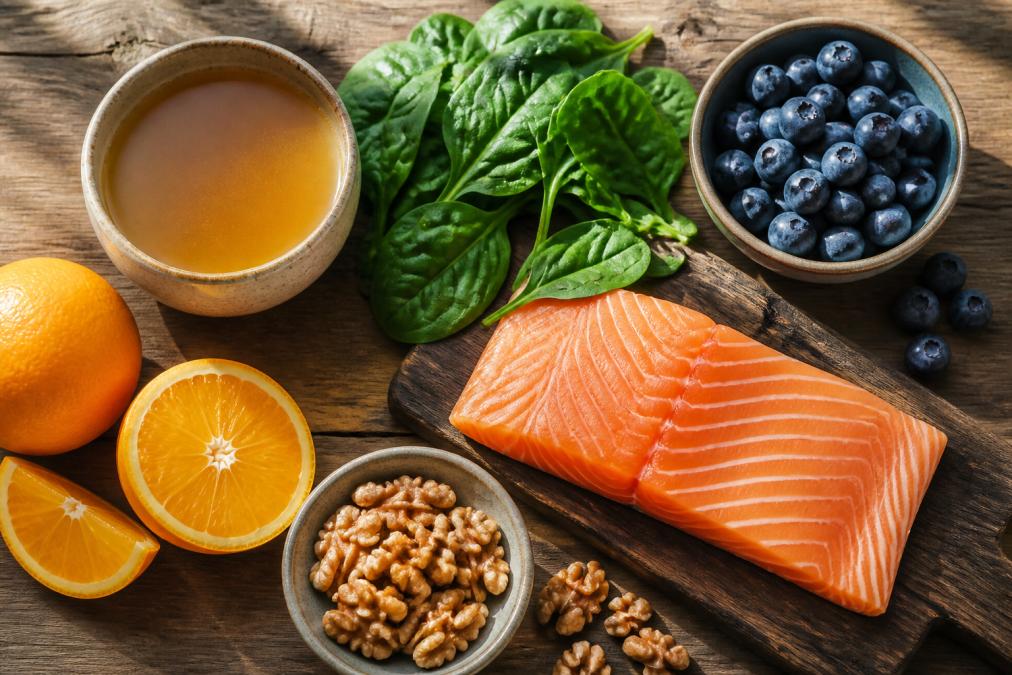
Collagen is the structural foundation of cartilage. Your body breaks down dietary collagen into amino acids, particularly glycine, proline, and lysine, which are then used to synthesize new cartilage matrix. Bone broth, simmered for 12-24 hours, releases collagen, gelatin, and amino acids that are easily absorbed. Other collagen-rich sources include fatty fish (salmon, mackerel, sardines), chicken skin and connective tissue, eggs, citrus fruits, and leafy greens (spinach, kale).
The amino acid lysine is required for collagen stability and cross-linking. Lysine-rich foods include pumpkin seeds, beef, and parmesan cheese. Proline, another critical amino acid, is abundant in cheese, mushrooms, and asparagus. Many people eat protein but don't prioritize the specific amino acids cartilage needs. Bone broth or gelatin provides the exact building blocks cartilage requires, making a meaningful difference.
Anti-Inflammatory Foods for Cartilage Preservation
Inflammation accelerates cartilage breakdown by triggering enzymes that degrade the cartilage matrix faster than your body can repair it. Anti-inflammatory foods reduce inflammation markers and protect existing cartilage while new tissue regenerates.
Omega-3 fatty acids are particularly powerful. Found in fatty fish, flaxseeds, and walnuts, they reduce the production of inflammatory compounds. Aim for fatty fish 2-3 times per week, or consider a high-quality fish oil supplement. Polyphenol-rich foods, berries, dark chocolate, olive oil, green tea, contain phytochemicals that suppress inflammatory pathways. Turmeric and ginger contain curcumin and gingerol, compounds that block inflammatory signaling at the cellular level.
Avoid foods that amplify inflammation: refined carbohydrates, vegetable oils high in omega-6, and processed foods with added sugars. These shift your inflammatory balance in the wrong direction, making cartilage repair harder.
Best Supplements for Joint Cartilage Regeneration
Food provides the foundation, but targeted supplements can accelerate cartilage healing by delivering concentrated doses of specific compounds. The most evidence-supported supplements are hyaluronic acid, glucosamine, chondroitin, and collagen peptides.
Hyaluronic Acid and Synovial Fluid Support
Hyaluronic acid is a key component of synovial fluid, the lubricating fluid inside your joints. It acts as a shock absorber and allows smooth movement between cartilage surfaces. As you age, hyaluronic acid production declines, causing joint lubrication to deteriorate and cartilage to experience more friction and wear.
Oral hyaluronic acid supplements increase synovial fluid viscosity and volume, reducing friction on cartilage surfaces. Many people notice improved joint mobility within 2-4 weeks of consistent use. Dosing typically ranges from 50-200 mg daily. Consistency matters more than dosage; daily supplementation for at least 8-12 weeks shows the most reliable results. Pair hyaluronic acid with vitamin C, which is required for the body to stabilize and cross-link hyaluronic acid molecules.
Glucosamine, Chondroitin, and Collagen Peptides
Glucosamine is a precursor to glycosaminoglycans, compounds that form the cartilage matrix. Chondroitin works synergistically to maintain cartilage water content and resist compression. Together, they slow cartilage degradation and may stimulate repair.
Most research supports glucosamine-chondroitin combinations at 1,500 mg glucosamine and 1,200 mg chondroitin daily. Results typically appear after 2-3 months of consistent use. Response varies; people with mild to moderate cartilage wear who combine supplementation with exercise and anti-inflammatory nutrition respond best.
Collagen peptides (hydrolyzed collagen) provide glycine, proline, and hydroxyproline, the exact amino acids your body uses to build cartilage. Taking 10-20 grams daily can meaningfully increase cartilage regeneration capacity.
The most effective approach combines these: hyaluronic acid for joint lubrication, glucosamine-chondroitin for matrix support, and collagen peptides for amino acid supply.
Exercises to Strengthen Cartilage and Restore Mobility
Movement is essential for cartilage health. When you move, synovial fluid is pumped through the cartilage, delivering oxygen and nutrients. Without movement, cartilage becomes starved and degenerates faster. The key is choosing the right type of movement.
Low-Impact Weight-Bearing Movement
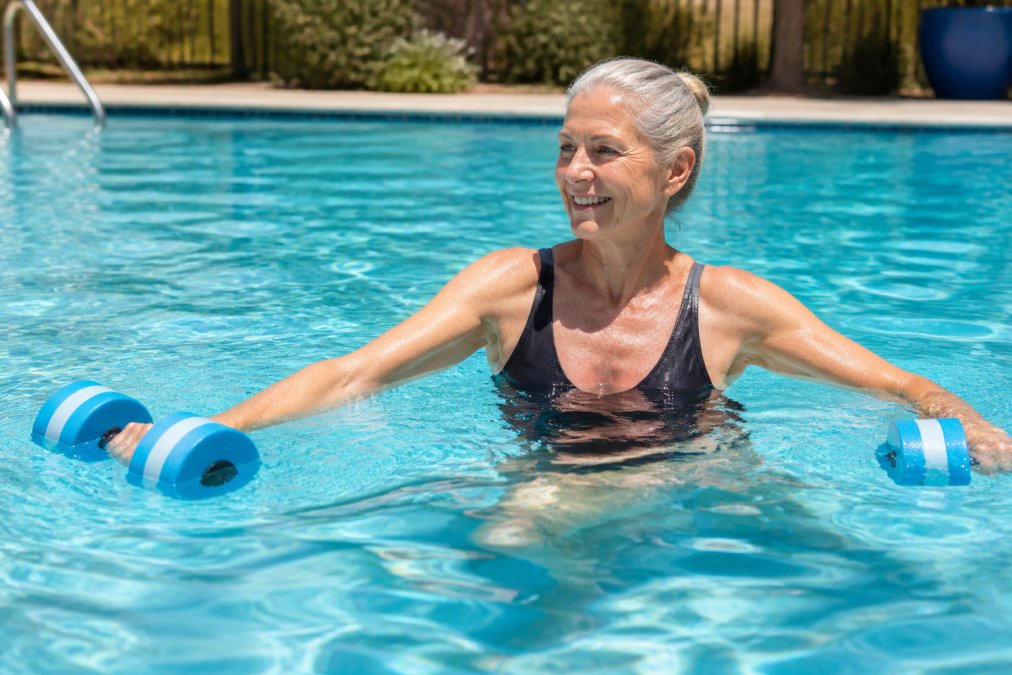
Low-impact exercise loads cartilage without creating repetitive impact stress that damages it. Swimming, water aerobics, cycling, and elliptical training are ideal. These activities create weight-bearing stress that signals your body to strengthen cartilage and bone, while the fluid medium reduces joint trauma.
Swimming is particularly effective because it combines weight-bearing, full range of motion, and muscle engagement without impact. Aim for 30-45 minutes, 3-4 times weekly at consistent, moderate intensity. Walking on soft surfaces (trails, grass) is better than pavement for cartilage preservation. Avoid high-impact activities like running, jumping, or sudden directional changes until cartilage has substantially healed.
Muscle Strengthening for Joint Support
Strong muscles stabilize joints and reduce abnormal cartilage loading. Weak muscles force cartilage to handle forces it's not designed to manage alone. Strength training targeting muscles around damaged joints is one of the most underutilized cartilage-healing strategies.
For knee cartilage damage, quad and glute strengthening is critical. For shoulder issues, rotator cuff and scapular stabilizer work prevents abnormal joint mechanics. For hip problems, hip abductor and external rotator strength reduces compensatory stress.
Use resistance bands, light weights, or bodyweight exercises at moderate intensity. Perform 2-3 sets of 12-15 repetitions, 3-4 times weekly. Consistency over months drives results; weak muscles recover their stabilizing capacity in 6-8 weeks of consistent training.
The combination of low-impact aerobic movement and targeted strength training creates the optimal environment for cartilage regeneration.
Lifestyle Modifications That Accelerate Cartilage Healing
Sleep quality, stress management, and metabolic health profoundly influence whether your body prioritizes repair or allows inflammation to dominate.
Weight Management and Joint Biomechanics
Every pound of body weight increases compressive force on weight-bearing joints by approximately 3-4 pounds. A 20-pound weight gain means your knees, hips, and ankles experience 60-80 pounds of additional stress, accelerating cartilage wear.
Weight management isn't primarily about calories; it's about metabolic health. High blood sugar and insulin resistance promote inflammation, which accelerates cartilage degradation. Stable blood sugar through balanced nutrition (protein, fiber, healthy fats with each meal) reduces inflammatory signaling and supports conditions that favor cartilage repair.
Joint biomechanics also matter. Poor posture, muscle imbalances, and movement patterns create uneven cartilage loading. A physical assessment can identify these patterns; correcting them through targeted exercises reduces abnormal stress on damaged cartilage.
Sleep, Stress, and Metabolic Health
Sleep is when your body performs most tissue repair. Growth hormone peaks during deep sleep, accelerating cartilage regeneration. Chronic sleep deprivation (less than 6-7 hours nightly) suppresses growth hormone and increases cortisol, a stress hormone that promotes inflammation and inhibits cartilage repair.
Chronic psychological stress elevates cortisol, shifting your immune system toward inflammation and away from tissue repair. Practices that reduce stress, meditation, deep breathing, time in nature, social connection, directly support cartilage regeneration by lowering inflammatory markers.
Metabolic health encompasses blood sugar stability, healthy lipid profiles, and normal inflammatory markers. These factors determine whether your body has the capacity to prioritize cartilage repair. Regular movement, quality sleep, stress reduction, and anti-inflammatory nutrition collectively create optimal conditions for natural cartilage healing.
What Not to Do: Common Mistakes That Slow Cartilage Healing
Avoid high-impact activities while cartilage is healing. Running, jumping, and sudden directional changes create repetitive impact stress that exceeds cartilage's repair capacity. Switch to swimming or cycling until cartilage has substantially regenerated.
Don't rely on ice and heat alone. While these provide temporary pain relief, they don't address underlying cartilage damage. They're tools to manage symptoms while you address root causes.
Avoid prolonged immobilization. Complete rest starves cartilage of the movement-driven nutrient delivery it needs. Gentle, appropriate movement accelerates healing.
Don't ignore muscle weakness. Weak muscles force cartilage to handle forces it can't manage, accelerating wear. Targeted strengthening is one of the most powerful cartilage-preservation strategies.
Avoid inflammatory foods while healing. Sugar, refined carbohydrates, and processed oils amplify inflammation and undermine your efforts.
Don't expect overnight results. Cartilage regeneration takes months, not weeks. Consistency over 3-6 months drives meaningful change.
Integrative Therapies That Support Natural Cartilage Regeneration
Specific therapeutic modalities can accelerate cartilage healing by reducing inflammation, improving circulation, and stimulating regenerative processes.
Acoustic wave therapy uses high-energy sound waves to stimulate blood flow and activate the body's natural healing response. This therapy has shown promise for cartilage repair by increasing angiogenesis and promoting collagen remodeling. Treatments typically require 4-6 sessions spaced weekly.
Cold laser therapy uses specific wavelengths of light to reduce inflammation and stimulate mitochondrial function in damaged cells. Sessions are painless and typically last 10-15 minutes. A course of 10-15 treatments over several weeks often produces noticeable improvements in joint function and pain reduction.
Applied Kinesiology identifies muscle imbalances and movement dysfunction contributing to joint damage. By correcting these patterns through targeted work, it prevents further cartilage wear and creates conditions that allow existing damage to heal. Practitioners at Alternative Health & Healing Center excel at using hands-on assessment and correction to address the root biomechanical causes of cartilage breakdown.
Spinal decompression therapy (for cervical or lumbar spine cartilage issues) gently separates vertebral bodies, reducing pressure on discs and joints while increasing nutrient flow to cartilage.
These therapies work best as part of an integrated approach. Nutrition provides building blocks; exercise creates movement-driven nutrient delivery; stress management and sleep support metabolic conditions for repair; and therapeutic modalities reduce inflammation and stimulate regenerative signaling.
Your path to natural joint cartilage healing begins with understanding that your body wants to repair itself, it needs the right conditions and consistent support. The combination of targeted nutrition, appropriate movement, stress management, and integrative therapies creates those conditions. At Alternative Health & Healing Center, we've spent nearly 40 years helping patients activate their natural healing capacity using Applied Kinesiology, advanced therapeutic modalities like Piezo Wave 2 technology, and personalized protocols tailored to your specific joint damage and health status. Request an appointment today to discuss how we can support your cartilage regeneration journey with a comprehensive, technology-driven approach to joint health.
| Strategy | Duration | Frequency | Expected Timeline |
|---|---|---|---|
| Anti-inflammatory nutrition | Ongoing | Daily | 4-8 weeks for noticeable reduction in inflammation |
| Collagen-supporting supplements | 8-12 weeks minimum | Daily | 8-12 weeks for cartilage regeneration signals |
| Low-impact aerobic exercise | 30-45 minutes | 3-4x weekly | 6-8 weeks for improved joint mobility |
| Targeted strength training | 20-30 minutes | 3-4x weekly | 6-8 weeks for joint stabilization |
| Sleep optimization | 7-9 hours | Nightly | Immediate support for repair processes |
| Therapeutic modalities (cold laser, acoustic wave) | 10-15 minutes | 1-2x weekly | 4-6 weeks for inflammation reduction |
Frequently Asked Questions
Is it possible to regrow joint cartilage naturally?
Joint cartilage has limited regenerative capacity on its own because it lacks blood vessels and nerve supply. However, you can support cartilage health and slow degeneration through nutrition, exercise, and lifestyle changes. Natural approaches work best when cartilage damage is mild to moderate. For severe cartilage loss, consult a healthcare provider about your options, as natural methods alone may not reverse advanced joint space narrowing. Combining dietary support, supplements, and targeted exercise creates the best environment for your body's own regenerative capacity to work effectively.
What foods help repair joint cartilage?
Foods rich in collagen precursors and anti-inflammatory compounds support cartilage health. Bone broth, fatty fish (salmon, mackerel), leafy greens, berries, and foods high in vitamin C boost collagen synthesis. Amino acids like glycine, proline, and lysine found in protein-rich foods provide building blocks for cartilage matrix repair. Omega-3 fatty acids from fish and flaxseed reduce inflammation markers that damage connective tissue. Including foods with hyaluronic acid naturally present in bone broth and animal connective tissue supports synovial fluid production for better joint lubrication.
Can exercise help rebuild cartilage in joints?
Yes, but the type of exercise matters. Weight-bearing and resistance exercise stimulates chondrocytes (cartilage cells) and improves joint biomechanics, while high-impact activities may accelerate cartilage wear. Low-impact exercises like swimming, cycling, and controlled strength training build supporting muscles that reduce stress on cartilage. Movement also enhances nutrient absorption into the cartilage matrix and improves synovial fluid circulation. Consistency over intensity is key, regular, moderate activity supports cartilage regeneration better than occasional intense workouts.
What are the best supplements for cartilage health?
Glucosamine and chondroitin support cartilage matrix structure, while collagen peptides provide amino acids needed for tissue repair. Hyaluronic acid supplements enhance joint lubrication and synovial fluid viscosity. Omega-3 supplements reduce inflammation markers that degrade cartilage. Vitamin C and antioxidants support collagen synthesis and protect against oxidative stress. Bioavailability varies by supplement form and brand, so quality matters. Discuss supplements with a healthcare provider before starting, especially if you take medications, to ensure they support your specific joint health needs.


