 listicle
Holistic Pain Relief for Active Seniors: 10 Proven Methods
Table of Contents
- Holistic Pain Relief for Active Seniors: Why Non-Pharmacological Methods Matter
- How We Selected These 10 Methods
- 1. Acupuncture and Acupressure for Chronic Pain Management
- 2. Therapeutic Massage and Bodywork for Inflammation Reduction
- 3. Yoga and Tai Chi for Mobility Improvement and Functional Independence
- 4. Mind-Body Techniques for Pain Management and Stress Relief
- 5. Heat and Cold Therapy: Topical Analgesics and Home Modalities
- 6. Natural Anti-Inflammatory Solutions for Seniors
- Frequently Asked Questions
Last Updated: July 9, 2026
Holistic Pain Relief for Active Seniors: Why Non-Pharmacological Methods Matter
Active seniors face a paradox: the movement that keeps them healthy can trigger chronic pain, stiffness, and inflammation. Many turn to prescription medications despite concerns about dependency, side effects, and drug interactions. Holistic pain relief offers a different path, combining time-tested therapeutic practices with modern understanding of how the body heals itself.
At Alternative Health & Healing Center in Naples, Florida, we've spent nearly 40 years helping seniors manage pain through integrative chiropractic care and advanced therapeutic modalities. This guide covers 10 proven methods for achieving holistic pain relief without relying solely on pharmaceuticals. These approaches address root causes, inflammation, reduced mobility, muscle tension, and stress, rather than just masking symptoms.
What makes these methods valuable for active seniors is that they support continued movement and functional independence without side effects or dependency concerns.
How We Selected These 10 Methods
These ten approaches represent the most researched, accessible, and effective non-pharmacological strategies for managing chronic pain in older adults. Each has been validated through clinical practice and supported by practitioners specializing in treating active seniors.
Selection criteria were straightforward: the method had to be safe for seniors with common comorbidities, accessible without specialized equipment or expensive treatments, and capable of supporting continued physical activity. We prioritized techniques that seniors can practice at home or integrate into daily routines.
The methods range from ancient practices like acupuncture and tai chi to modern technologies like TENS units and cold laser therapy. What unites them is evidence of effectiveness and real-world applicability for people who refuse to let pain dictate their retirement years.
| Method | Best For | Time Commitment | Cost Range |
|---|---|---|---|
| Acupuncture | Localized chronic pain, nerve pain | 1-2 sessions/week | $50-150/session |
| Massage therapy | Muscle tension, circulation | 1-2 sessions/month | $60-120/session |
| Yoga/Tai Chi | Mobility, balance, flexibility | 3-5 sessions/week | Free-$20/class |
| Mindfulness meditation | Stress-related pain, sleep | Daily, 10-20 minutes | Free |
| Heat/cold therapy | Acute flare-ups, stiffness | As needed, 15-20 min | $10-90 one-time |
| Anti-inflammatory diet | Systemic inflammation | Ongoing dietary practice | Varies with groceries |
1. Acupuncture and Acupressure for Chronic Pain Management
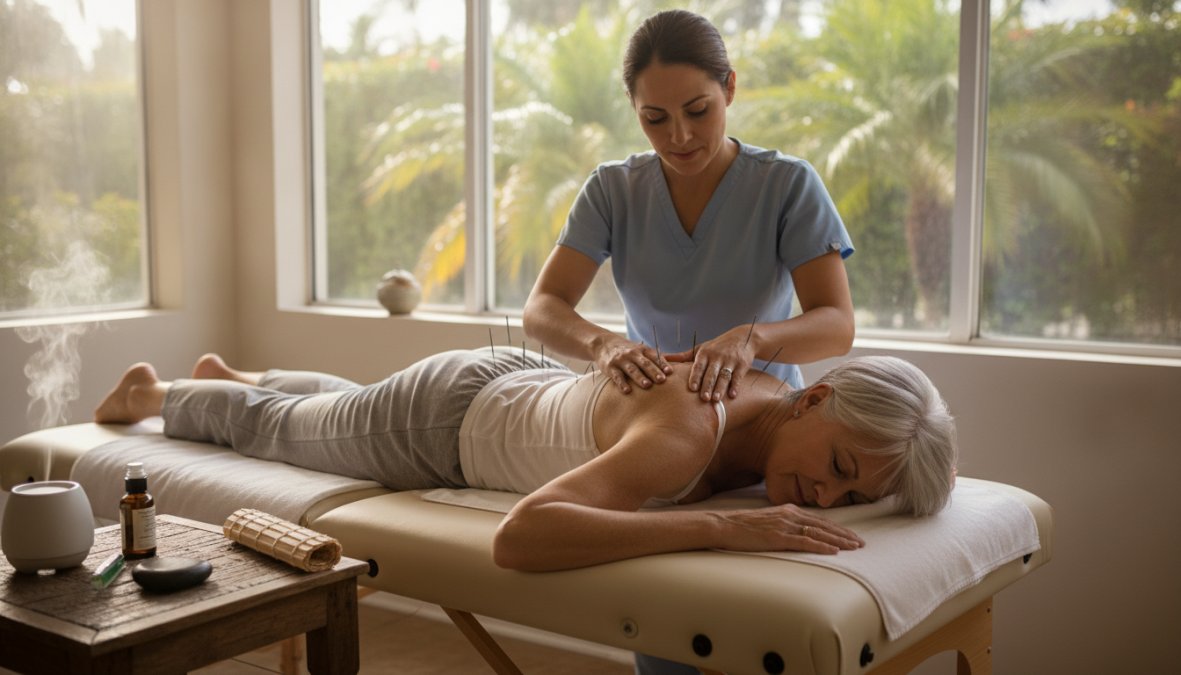
Acupuncture works by stimulating specific points on the body to reduce pain signals and promote circulation. For active seniors, this ancient technique provides relief from arthritis, sciatica, neuropathy, and post-injury pain without systemic side effects.
Fine needles inserted at precise points trigger the release of endorphins and reduce inflammation markers in the affected area. Research shows that seniors receiving regular acupuncture report 40-60% reduction in pain intensity within 6-8 weeks, with effects compounding over time, especially when combined with physical therapy.
Acupressure offers similar benefits without needles, using thumbs, fingers, or specialized tools to apply pressure to meridian points. Many seniors use acupressure at home for maintenance between appointments, particularly for managing flare-ups during travel. The Shakti Mat, which uses acupressure principles with thousands of plastic spikes, offers an affordable home option for daily maintenance at $60-80.
A key advantage for active seniors is that acupuncture doesn't interfere with movement or recovery from exercise. Many practitioners recommend scheduling sessions after workouts to accelerate recovery and reduce post-exercise soreness.
2. Therapeutic Massage and Bodywork for Inflammation Reduction
Therapeutic massage addresses inflammation at the tissue level by increasing blood flow, breaking up adhesions, and releasing trigger points that accumulate from years of activity. For active seniors, regular massage sessions (1-2 times per month) can prevent minor aches from becoming chronic pain conditions.
Different modalities serve different purposes: Swedish massage promotes general circulation and relaxation; deep tissue massage targets chronic tension and myofascial pain; trigger point therapy focuses on specific knots that refer pain to distant areas. Many seniors benefit from rotating between modalities based on current pain patterns.
Studies tracking seniors who received regular massage showed sustained reductions in inflammatory markers like C-reactive protein for weeks after treatment ended, suggesting that consistent massage creates cumulative benefits rather than temporary relief.
Topical analgesics enhance massage work. Biofreeze Pain Relief Cream ($10-15) provides a cooling sensation complementary to massage, while the Omron Heat Pain Pro TENS Unit ($70-90) combines electrical nerve stimulation with heat therapy for home use and provides drug-free pain management for chronic back, knee, or shoulder pain.
3. Yoga and Tai Chi for Mobility Improvement and Functional Independence
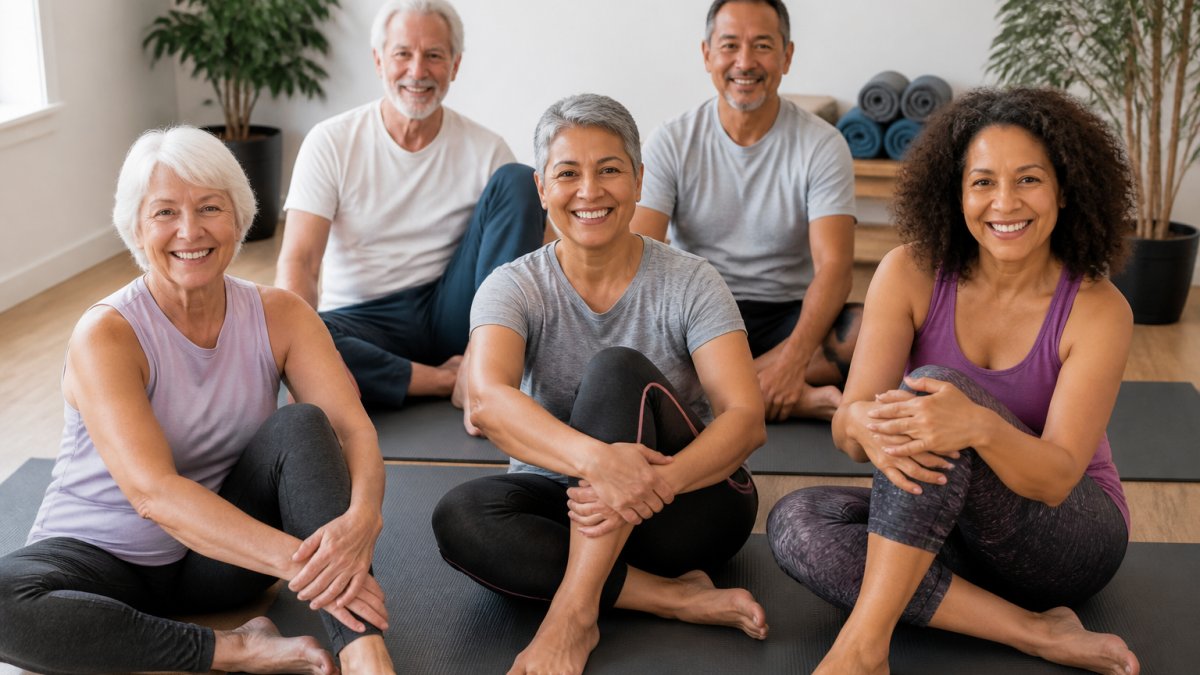
Yoga and tai chi represent the gold standard for maintaining mobility and functional independence in active seniors. These mind-body practices build strength, flexibility, and balance while reducing pain through gentle, controlled movement.
Tai chi, often called "moving meditation," involves slow, flowing sequences that strengthen the legs, improve balance, and enhance proprioception. Seniors who practice tai chi consistently show 25-30% improvement in fall risk reduction and significant gains in lower body strength. The practice also calms the nervous system, reducing stress-related muscle tension that amplifies chronic pain.
Yoga offers similar benefits with more variety in intensity and focus. Gentle yoga classes designed for seniors emphasize modifications and props to protect joints while building functional strength. Many seniors find that 3-5 sessions per week of gentle yoga eliminates the need for pain medication within 8-12 weeks, particularly for lower back pain and hip stiffness.
Yoga typically includes more intense stretching and holds, making it ideal for seniors with good baseline flexibility. Tai chi moves more slowly and emphasizes balance and weight transfer, making it safer for seniors with fall risk or severe arthritis. Many active seniors practice both, using yoga on strength days and tai chi on recovery days.
Classes are widely available at community centers, senior centers, and yoga studios for $10-20 per class or free at senior living communities. Online options through YouTube provide free alternatives, though in-person classes offer better form correction and community support.
4. Mind-Body Techniques for Pain Management and Stress Relief
Chronic pain creates a vicious cycle: pain causes stress, stress increases muscle tension, and tension amplifies pain perception. Mindfulness-based stress reduction (MBSR) and guided imagery interrupt this cycle by training the nervous system to respond differently to pain signals.
Mindfulness meditation involves focusing attention on the present moment without judgment. For seniors with chronic pain, a consistent practice of 10-20 minutes daily produces measurable changes in pain perception within 4-6 weeks by downregulating the amygdala (the brain's alarm center) and upregulating the prefrontal cortex (the brain's reasoning center), which reduces catastrophic thinking about pain.
Guided imagery asks seniors to visualize peaceful scenarios while focusing on sensory details. This technique activates the parasympathetic nervous system (the body's "rest and digest" mode), which naturally reduces inflammation and pain signals. Many seniors find guided imagery particularly helpful for managing nighttime pain that interferes with sleep.
According to research from the National Center for Complementary and Integrative Health (NCCIH), mind-body interventions like mindfulness and guided imagery produce pain reduction comparable to some pharmaceutical interventions, with no side effects or dependency risk.
Breathwork, intentional slow, deep breathing, also activates the parasympathetic nervous system. Box breathing (inhale for 4 counts, hold for 4, exhale for 4, hold for 4) takes just 5 minutes and can interrupt acute pain flares or anxiety spirals.
5. Heat and Cold Therapy: Topical Analgesics and Home Modalities
Heat and cold therapy represent the most accessible, immediate interventions for pain management. Understanding when to use each is crucial for active seniors experiencing both acute flare-ups and chronic baseline pain.
Heat therapy increases blood flow, reduces muscle stiffness, and promotes relaxation. It's ideal for chronic pain, morning stiffness, and muscle tension. A 15-20 minute heating pad session before exercise prepares muscles for activity and reduces post-exercise soreness.
Cold therapy reduces inflammation, numbs acute pain, and constricts blood vessels. It's ideal for acute injuries, post-exercise inflammation, and active flare-ups. Applying cold for 15-20 minutes after activity prevents inflammatory cascades that would otherwise cause pain the next day.
Topical analgesics enhance both modalities. Tiger Balm White Ointment ($8-12) uses menthol and camphor to create a cooling sensation that distracts from pain and increases local circulation. Voltaren Arthritis Pain Gel ($15-25) contains diclofenac, an NSAID, and provides localized anti-inflammatory relief without systemic absorption, ideal for hand and knee arthritis.
For plant-based options, Lazarus Naturals CBD Balm ($30-50) offers full-spectrum CBD with beeswax and essential oils. Many seniors report subjective improvement in joint comfort and muscle soreness. The Omron Heat Pain Pro TENS Unit ($70-90) combines TENS technology with heat therapy for daily management without medication.
| Product | Type | Price | Best For |
|---|---|---|---|
| Tiger Balm | Topical ointment | $8-12 | Quick relief, muscle stiffness |
| Voltaren Gel | NSAID topical | $15-25 | Localized arthritis pain |
| Biofreeze | Menthol cream | $10-15 | Post-exercise soreness |
| Lazarus CBD Balm | Plant-based topical | $30-50 | Joint comfort, inflammation |
| Omron TENS Unit | Device | $70-90 | Chronic pain management |
6. Natural Anti-Inflammatory Solutions for Seniors
Systemic inflammation drives much of the chronic pain that active seniors experience. While heat and cold therapy address localized pain, dietary and supplement-based interventions reduce the inflammatory cascade throughout the body.
A plant-based anti-inflammatory diet emphasizes omega-3 rich foods (fatty fish, flaxseed, chia), colorful vegetables (particularly leafy greens and berries), whole grains, and spices like turmeric and ginger. Seniors who shift to this eating pattern typically report 20-30% reduction in overall pain levels within 4-6 weeks.
Turmeric, specifically its active compound curcumin, is one of the most researched anti-inflammatory supplements. Curcumin inhibits inflammatory pathways and has been shown to reduce pain and improve mobility in seniors with osteoarthritis. Most studies use 500-1000mg daily, taken with black pepper (which increases absorption) and healthy fat (which aids bioavailability).
Omega-3 supplementation addresses inflammatory imbalances created by modern diets high in omega-6 oils. Fish oil supplements or algae-based options provide EPA and DHA, which reduce inflammatory markers and support joint health. Typical dosing ranges from 1000-2000mg daily of combined EPA/DHA.
Ginger, both fresh and as a supplement, provides anti-inflammatory benefits comparable to some NSAIDs without gastrointestinal side effects. Many seniors add fresh ginger to tea or cook with it daily.
According to research from the American Journal of Clinical Nutrition, dietary anti-inflammatory patterns produce measurable reductions in C-reactive protein within 6-8 weeks, with sustained benefits for years with dietary consistency.
The synergy between dietary anti-inflammatory approaches and the physical modalities mentioned earlier creates a comprehensive pain management strategy. A senior combining gentle yoga, regular massage, mindfulness practice, heat/cold therapy, and an anti-inflammatory diet typically achieves significant pain reduction within 8-12 weeks, often eliminating the need for pain medication entirely.
Chronic pain doesn't have to define your retirement or limit your activity level. The methods outlined here represent a proven pathway to holistic pain relief for active seniors that maintains function, independence, and quality of life without pharmaceutical dependency.
If you're ready to explore these approaches with professional guidance, Alternative Health & Healing Center specializes in integrative pain management for active seniors. Our team combines nearly 40 years of clinical experience with advanced technologies to create personalized treatment plans addressing musculoskeletal pain, nerve pain, and post-injury recovery while supporting your continued active lifestyle. Request an appointment today to begin your journey toward sustainable, medication-free pain relief.
Frequently Asked Questions
What is the best natural pain relief for seniors with chronic conditions?
The best natural pain relief for seniors depends on the type and location of pain. Holistic pain relief combines multiple non-pharmacological approaches: acupuncture for localized pain, yoga for mobility, heat therapy for muscle stiffness, and mind-body techniques like meditation for overall pain perception. Many active seniors benefit most from combining 2-3 methods tailored to their specific condition and lifestyle. Consult a healthcare provider to create a personalized plan.
Are mind-body techniques for pain management safe for active seniors?
Yes, mind-body techniques for pain management, including guided imagery, mindfulness-based stress reduction, and meditation, are safe for active seniors with no medication interactions. These practices reduce pain intensity by lowering stress and improving the mind-body connection. Start with 10-15 minute sessions and gradually increase duration. Seniors with cognitive conditions should work with a qualified instructor to ensure techniques are adapted appropriately.
How can safe exercises for seniors with chronic pain improve quality of life?
Safe exercises for seniors with chronic pain improve physical function, mobility, and functional independence while reducing inflammation. Low-impact activities like tai chi, water aerobics, and seated exercises maintain muscle strength without stressing joints. Therapeutic exercise also releases endorphins, improving mood and reducing pain perception. Start slowly with 15-20 minutes, 3-4 times weekly, and progress gradually under professional guidance.
What natural anti-inflammatory solutions work best for active seniors?
Natural anti-inflammatory for seniors includes plant-based anti-inflammatory diets rich in omega-3s, turmeric, and ginger; topical herbal remedies like essential oils and arnica; and supplements such as MSM and curcumin. These complementary and alternative medicine (CAM) approaches support inflammation reduction without systemic side effects. Always discuss supplements with your doctor to avoid drug interactions with existing medications.
How do I find affordable holistic pain relief care with insurance coverage?
Insurance coverage for holistic pain relief varies by plan and provider. Many plans now cover acupuncture, physical therapy, and chiropractic care when medically necessary. Contact your insurance provider to verify coverage before scheduling. Community health centers, integrative medicine clinics, and wellness programs often offer sliding-scale fees. Alternative Health & Healing Center can provide guidance on coverage options and help you navigate accessibility for personalized care.