 how-to
How Long Does Joint Inflammation Take to Heal
Table of Contents
- Understanding Joint Inflammation and Healing Timelines
- Acute vs. Chronic Joint Inflammation: What's the Difference
- How to Reduce Joint Swelling Quickly: First Steps
- Natural Remedies for Joint Inflammation That Support Healing
- Physical Therapy and Movement in Early Healing Stages
- When to See a Doctor for Joint Pain and Inflammation
- Nutrition and Anti-Inflammatory Diet for Joint Recovery
- Managing Chronic Joint Inflammation Long-Term
- Frequently Asked Questions
Last Updated: August 19, 2026
Understanding Joint Inflammation and Healing Timelines
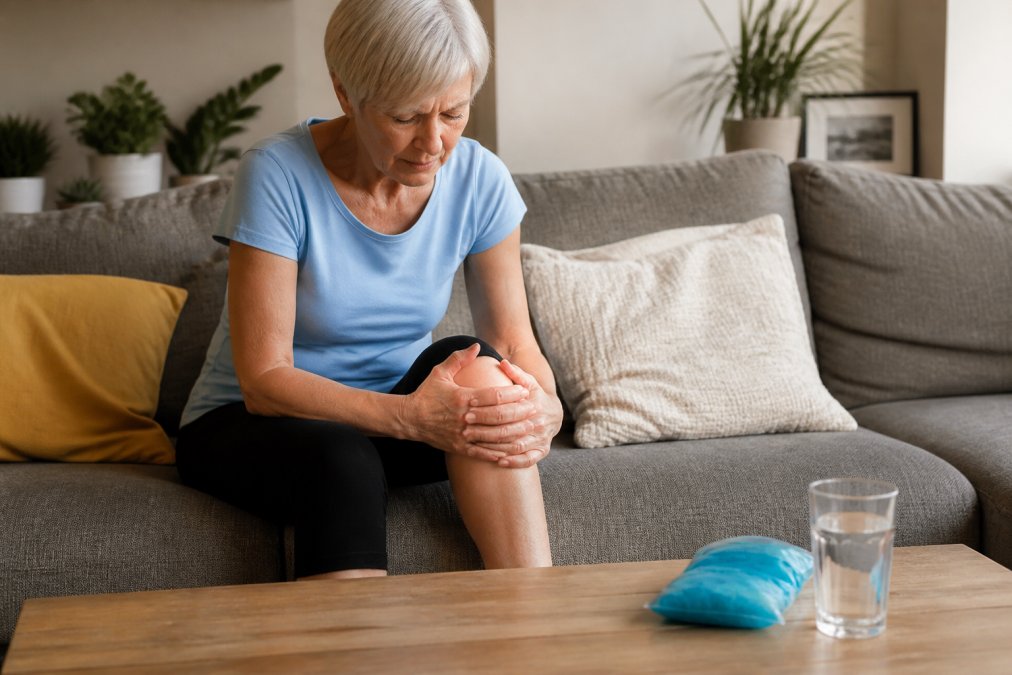
Joint inflammation is your body's natural response to injury, overuse, or systemic conditions. Understanding healing timelines requires distinguishing between the acute phase (immediate inflammatory response) and the chronic phase (ongoing inflammation beyond normal healing windows). Most acute joint inflammation resolves within 2-6 weeks with appropriate care, but this timeline assumes proper intervention from the start. Some injuries linger for months because the underlying cause, often biomechanical misalignment or inadequate initial treatment, goes unaddressed. The inflammation itself isn't the enemy; it's your body mobilizing repair resources. The real question is how to manage inflammation effectively so healing can progress.
Acute vs. Chronic Joint Inflammation: What's the Difference
Acute inflammation emerges suddenly after a specific incident, a sports injury, fall, or repetitive strain reaching a breaking point. It's characterized by visible swelling, localized warmth, and sharp pain worsening with movement. Acute inflammatory responses typically peak within 24-72 hours and begin subsiding within 1-2 weeks if you remove the triggering stimulus and provide proper support.
Chronic joint inflammation develops gradually, often from ongoing mechanical stress, autoimmune responses, or systemic conditions like rheumatoid arthritis or fibromyalgia. The swelling may be less dramatic, but stiffness, particularly upon waking, becomes the defining characteristic. This type can persist for months or years without intervention, creating a cycle where pain limits movement, reduced movement weakens supporting muscles, and weakened muscles increase joint stress.
The healing timeline for acute inflammation is measured in weeks. For chronic inflammation, recovery is measured in months, with the goal being symptom management and functional improvement rather than complete elimination.
How to Reduce Joint Swelling Quickly: First Steps
The first 48 hours after a joint injury are critical. The R.I.C.E. protocol, Rest, Ice, Compression, and Elevation, remains the gold standard for acute joint swelling because it addresses the inflammation mechanism directly.
Rest means genuinely stopping the activity that triggered the injury. Gentle movement within a pain-free range actually supports healing, but high-impact activities must stop immediately.
Ice application reduces blood flow to the injured area, slowing the inflammatory cascade. Apply ice for 15-20 minutes at a time, with at least 45 minutes between applications. The goal is to moderate inflammation, not shut it down completely; your body needs some inflammatory response to heal properly.
Compression with an elastic bandage reduces swelling by preventing fluid accumulation. The bandage should feel snug but not restrict circulation.
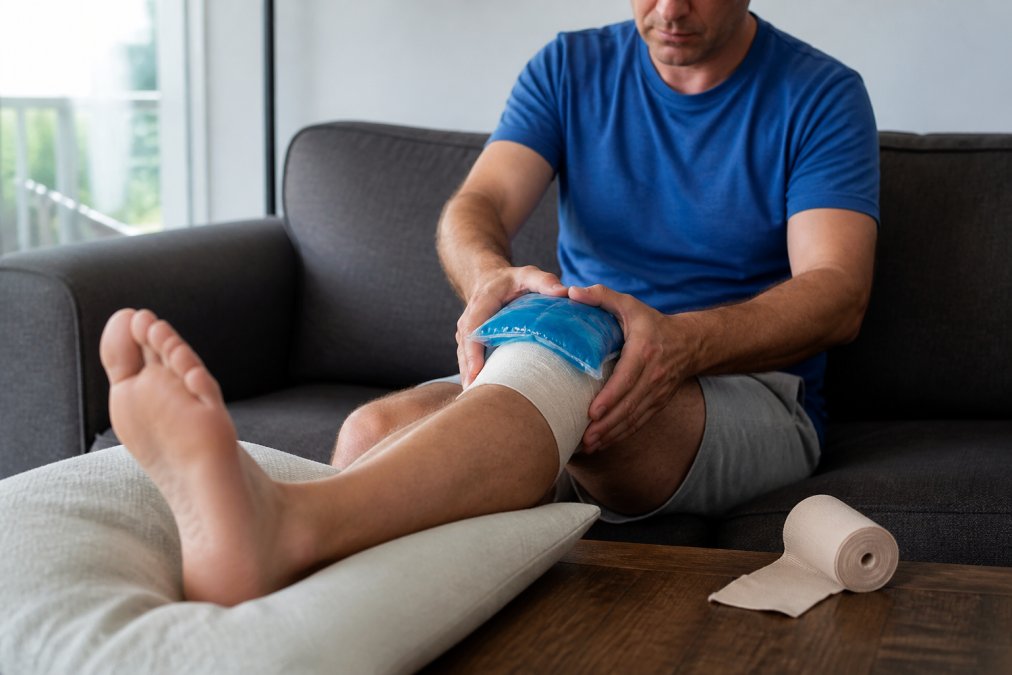
Elevation uses gravity to prevent fluid from pooling around the injured joint. Keep the joint above heart level during the first 48-72 hours for noticeable swelling reduction within hours.
Anti-inflammatory medication can help manage pain and reduce swelling. Over-the-counter options like ibuprofen or naproxen work by inhibiting prostaglandins, the chemical messengers that drive inflammation. These are most effective when taken early and consistently for the first few days.
Natural Remedies for Joint Inflammation That Support Healing
Many patients benefit from complementary natural approaches that support the body's healing mechanisms without long-term medication side effects. These work best as part of a comprehensive strategy.
Turmeric's active compound curcumin has demonstrated anti-inflammatory properties by reducing cytokine production. Effective dosing typically requires 500-1000mg of standardized curcumin extract daily, taken with black pepper to enhance absorption. Many patients report noticeable improvement in joint stiffness within 2-3 weeks.
Ginger reduces prostaglandin production and provides analgesic effects without the gastrointestinal side effects some experience with NSAIDs. Benefits typically emerge within 1-2 weeks of daily use.
Omega-3 fatty acids from fish oil or algae sources reduce inflammatory markers systemically. Effective dosing ranges from 1000-2000mg of combined EPA and DHA daily, with benefits accumulating over 4-6 weeks.
Topical remedies like arnica gel or capsaicin cream provide localized relief by desensitizing pain receptors and improving blood flow. These work best for acute swelling in the first 1-2 weeks and for chronic pain management.
Natural remedies work best when used consistently over weeks, not days, and are most effective combined with proper movement, physical therapy, and addressing underlying mechanical causes.
Physical Therapy and Movement in Early Healing Stages
Complete rest actually slows healing. While the first 48 hours demand relative rest to control acute swelling, gentle movement within a pain-free range activates the healing process and prevents muscle atrophy that extends recovery time.
Early-stage movement should focus on range-of-motion exercises that gently mobilize the joint without recreating the original injury. The key is finding the threshold where movement feels therapeutic rather than painful.
Physical therapy during the first 2-4 weeks serves multiple functions. A qualified therapist assesses movement patterns to identify biomechanical issues that may have contributed to the injury and provides specific exercises targeting stabilizing muscles around the joint, which often weaken during pain-related inactivity. This muscle activation is crucial because weak stabilizers force the joint itself to bear more stress, perpetuating inflammation.
Progressive loading, gradually increasing movement intensity and resistance, guides the transition from acute care to functional recovery over 4-6 weeks. Rushing this progression is a primary cause of setbacks and chronic pain development.

When to See a Doctor for Joint Pain and Inflammation
Immediate medical attention is warranted for severe swelling developing within minutes, inability to bear weight, signs of infection (increasing warmth, redness, or fever), or severe pain not improving with rest and ice within 24 hours.
Schedule an evaluation if joint inflammation persists beyond 2 weeks despite appropriate home care, if swelling returns repeatedly in the same joint, or if pain limits daily activities. Delayed evaluation often means delayed identification of underlying structural damage or biomechanical issues requiring specific treatment.
Chronic joint pain warrants professional assessment to determine whether you're dealing with post-traumatic arthritis, inflammatory arthritis, or mechanical dysfunction. These conditions require different treatment approaches, and guessing wrong extends recovery time significantly.
Red flags demanding urgent attention include sudden severe swelling with warmth and fever (suggesting infection), severe pain out of proportion to the apparent injury, numbness or tingling suggesting nerve involvement, or swelling affecting multiple joints simultaneously (suggesting systemic inflammation).
Nutrition and Anti-Inflammatory Diet for Joint Recovery
What you eat directly influences how quickly joint inflammation resolves. Anti-inflammatory foods emphasize omega-3 rich sources, colorful vegetables high in antioxidants, and whole grains that stabilize blood sugar. Fatty fish like salmon provide EPA and DHA that actively reduce inflammatory cytokines. Leafy greens contain vitamin K and antioxidants that protect healing tissue. Berries contain anthocyanins that reduce inflammation markers.
Refined carbohydrates and added sugars spike blood glucose, triggering inflammatory responses. Processed seed oils high in omega-6 fatty acids create an inflammatory environment when consumed in excess.
Patients who shift to a whole-food, anti-inflammatory diet during recovery often report accelerated reduction in swelling and pain within 2-3 weeks.
Hydration affects inflammation significantly. Adequate water intake supports lymphatic drainage, which removes inflammatory mediators from the injured area. Most people require 8-10 glasses of water daily, with increased amounts during active healing.
Specific micronutrients support tissue repair. Vitamin C is essential for collagen synthesis. Zinc supports immune function and tissue healing. Magnesium reduces muscle tension and supports inflammation regulation.
Managing Chronic Joint Inflammation Long-Term
For chronic joint conditions, the goal shifts from "healing" to "optimal management." Long-term management centers on three pillars: movement consistency, inflammatory load reduction, and addressing root causes.
Movement consistency means maintaining regular physical activity that supports joint health without excessive stress. Patients who maintain movement consistency experience fewer flare-ups and better overall function than those who alternate between activity and rest.
Inflammatory load reduction means identifying and minimizing factors that trigger flare-ups, including dietary adjustments, stress management, adequate sleep, and avoiding repetitive movements that aggravate the condition.
Addressing root causes distinguishes long-term management from symptom chasing. Biomechanical dysfunction, muscle imbalances, poor posture, or underlying autoimmune activity all contribute to chronic inflammation. Identifying and correcting these produces lasting improvement rather than temporary relief.
Professional therapeutic support becomes increasingly valuable for chronic conditions. Regular intervention maintains improvements and prevents regression.
Joint inflammation doesn't resolve on a fixed timeline; it responds to the quality of care you provide from day one. Whether recovering from an acute sports injury or managing long-standing arthritis, the principles remain consistent: address inflammation early, move appropriately, support healing through nutrition, and identify root causes rather than chasing symptoms. Alternative Health & Healing Center combines nearly 40 years of clinical experience with advanced therapeutic modalities like the Piezo Wave 2 to help you move from pain and limitation back to the activities you value. Our Applied Kinesiology approach identifies the specific factors driving your inflammation, allowing us to guide treatment that actually resolves underlying dysfunction rather than providing temporary relief. Request an appointment today to start your path toward sustainable joint health and restored mobility.
Frequently Asked Questions
Can joint inflammation go away on its own?
Mild joint inflammation from minor injuries often resolves within days to weeks with rest, ice, and compression. However, inflammation from autoimmune conditions, post-traumatic arthritis, or severe injuries typically requires active treatment. The key difference is whether the underlying cause is being addressed. Acute inflammation may subside independently, but chronic joint inflammation usually needs intervention through physical therapy, medication, dietary changes, or professional treatment to prevent long-term cartilage degradation and restore full range of motion.
What natural remedies help reduce joint inflammation quickly?
Ice application in the first 48-72 hours reduces swelling effectively. Compression bandages limit joint effusion and provide support. Elevation decreases fluid accumulation. Omega-3 rich foods, turmeric, ginger, and tart cherry juice have anti-inflammatory properties supported by clinical observation. Rest combined with gentle movement maintains mobility without aggravating the joint. Magnesium and collagen-supporting nutrients aid healing. These natural approaches work best when combined with proper diagnosis and professional guidance to ensure you're addressing the root cause, not just masking symptoms.
How do I know if my joint inflammation is becoming chronic?
Chronic joint inflammation typically persists beyond 6-12 weeks despite conservative treatment. Signs include recurring flare-ups, consistent joint tenderness, progressive stiffness upon waking, and gradual loss of range of motion. Swelling that doesn't respond to rest and ice, or pain that worsens with activity despite treatment attempts, suggests a systemic condition like reactive arthritis or autoimmune response rather than a simple acute injury. Diagnostic imaging and clinical assessment from a qualified professional can confirm whether you're experiencing degenerative changes or ongoing inflammatory activity requiring long-term management strategies.
What's the typical healing timeline for a joint injury?
Healing timelines vary significantly by injury type and severity. Minor sprains typically resolve in 2-4 weeks; moderate injuries require 4-8 weeks; severe ligament or cartilage damage may take 3-6 months or longer. Acute inflammation usually peaks within 48-72 hours, then gradually decreases over weeks. Post-traumatic arthritis can develop months after injury, extending the recovery period. Factors like age, overall health, activity level, and treatment approach affect individual timelines. Professional assessment helps establish realistic expectations for your specific condition and guides whether you need accelerated therapeutic intervention to prevent chronic complications.


