 how-to
How to Address Digestive Issues Holistically
Table of Contents
- Understanding Your Digestive System and Common Issues
- The Impact of Stress on Digestion and Gut Function
- Best Foods for Digestive Health and Microbiome Support
- The 4 R's of Gut Healing Protocol for Long-Term Recovery
- Hydration, Sleep, and Physical Activity for Digestive Motility
- Mindful Eating Practices to Improve Nutrient Absorption
- Recognizing Signs of an Unhealthy Gut and When to Seek Professional Help
- Creating Your Personalized Holistic Digestive Health Plan
- Frequently Asked Questions
Last Updated: August 9, 2026
Understanding Your Digestive System and Common Issues
Your digestive system is a complex network of organs that breaks down food, absorbs nutrients, and eliminates waste. When functioning optimally, you feel energized; when compromised, you experience bloating, constipation, diarrhea, and discomfort that disrupts your day.
The gastrointestinal tract is lined with a protective barrier of specialized cells that control what enters your bloodstream. When this barrier becomes compromised, undigested food particles and harmful substances leak into your system, triggering inflammation and digestive distress.
Common digestive issues include irregular bowel movements, gas, bloating, acid reflux, and nutrient malabsorption. Most stem from controllable lifestyle factors: stress levels, food choices, sleep quality, physical activity, and mindful eating habits, not aging or genetics.
Understanding the root cause of your symptoms is the first step toward addressing digestive issues holistically. Rather than masking symptoms with antacids or laxatives, a holistic approach identifies what's triggering the problem and rebuilds your digestive capacity from the ground up.
The Impact of Stress on Digestion and Gut Function
Stress directly shuts down your digestive system. When stressed, your nervous system activates the "fight or flight" response, diverting blood away from digestion toward your muscles and brain. Your stomach produces less acid, your digestive muscles tense up, and your gut bacteria become imbalanced.
This stress-digestion connection is called the gut-brain axis. Your brain and digestive system communicate constantly through the vagus nerve. When cortisol (your stress hormone) stays elevated, it disrupts your gut flora balance and damages the intestinal lining. Chronic stress literally changes which bacteria thrive in your microbiome.
Many people notice bloating, constipation, or diarrhea during stressful periods within hours of a major stressor. If stress persists for weeks or months, these acute symptoms become chronic patterns.
Addressing digestive issues holistically means managing stress as a non-negotiable foundation. Effective stress management includes breathing exercises, time in nature, creative activities, social connection, and enjoyable physical movement.
One practical technique is the 4-7-8 breathing method: inhale for 4 counts, hold for 7, exhale for 8. This activates your parasympathetic nervous system, your body's "rest and digest" mode, and signals safety to your digestive tract. Even five minutes before meals can shift your nervous system state and improve digestion.
Best Foods for Digestive Health and Microbiome Support
The foods you eat directly shape your gut flora and digestive capacity. Your microbiome, the trillions of bacteria living in your intestines, influences nutrient absorption, immune function, and mood.
Fiber-rich foods are foundational. Vegetables, fruits, legumes, and whole grains feed beneficial bacteria in your gut. When you eat fiber, your good bacteria ferment it and produce short-chain fatty acids that heal your gut barrier and reduce inflammation. Aim for 30-40 grams daily from whole food sources.
Fermented foods like sauerkraut, kimchi, miso, tempeh, and yogurt contain live beneficial bacteria called probiotics. These organisms colonize your gut and outcompete harmful bacteria while providing digestive enzymes. Adding a tablespoon of sauerkraut to each meal can meaningfully improve digestive function over weeks.
Prebiotic foods feed your existing good bacteria. These include garlic, onions, asparagus, bananas, oats, and chicory root. Prebiotics work synergistically with probiotics to build a resilient microbiome.
Bone broth and collagen-rich foods support gut barrier repair. The amino acids in these foods, particularly glycine and glutamine, help rebuild the intestinal lining and reduce intestinal permeability.
Healthy fats from avocados, nuts, seeds, and quality oils reduce inflammation and support nutrient absorption. Many fat-soluble vitamins (A, D, E, K) require fat for absorption.
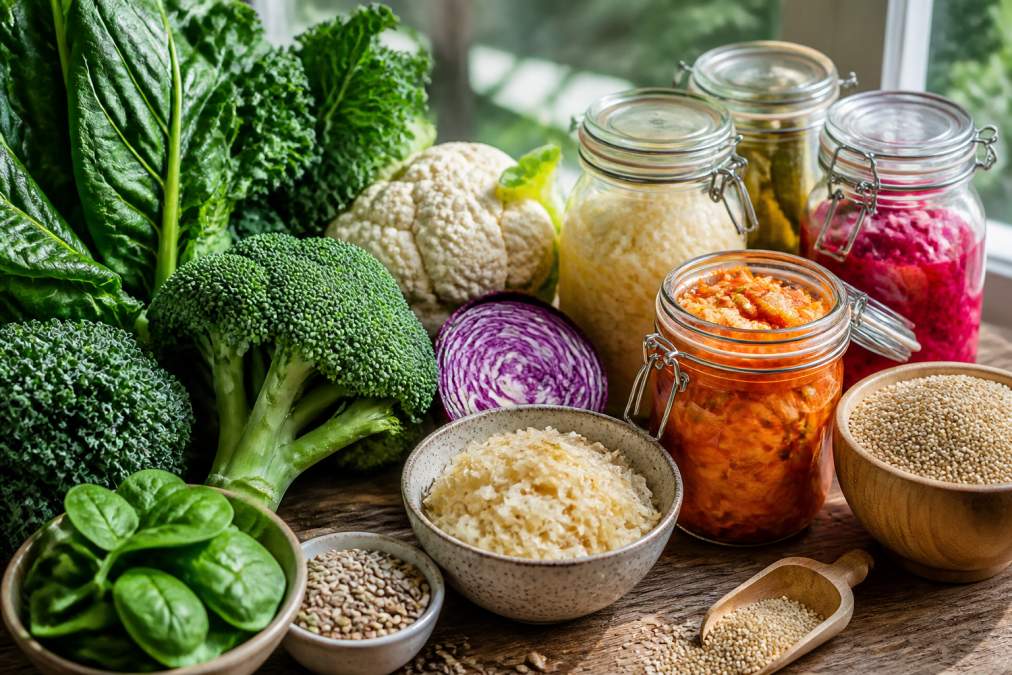
Limit highly processed items, refined sugars, excess alcohol, and foods you personally react to. Processing strips away fiber and nutrients while adding inflammatory additives. Sugar feeds harmful bacteria and yeast, disrupting microbiome balance. Identifying your personal trigger foods requires systematic observation through elimination diets.
The 4 R's of Gut Healing Protocol for Long-Term Recovery
The 4 R's of gut healing protocol is a systematic framework for rebuilding digestive health. This protocol addresses digestive issues holistically by tackling each phase of restoration in sequence. Skipping steps usually means symptoms return.
Remove: Identifying and Eliminating Trigger Foods
The first step is removing foods and substances that irritate your digestive system. This is a diagnostic tool to identify what your current system can't handle, not a permanent elimination diet.
Common trigger foods include gluten, dairy, refined sugar, processed seed oils, and high-histamine foods. But triggers are highly individual. An elimination diet works like this: remove suspected trigger foods for 3-4 weeks, then reintroduce them one at a time while monitoring your symptoms. This reveals exactly which foods create problems for your body.
Remove also means eliminating non-food irritants: chronic stress, inadequate sleep, excessive alcohol, and NSAIDs (which damage the gut lining). Addressing digestive issues holistically requires removing stressors across all life domains.
Restore: Rebuilding Digestive Capacity and Enzyme Function
Once you've removed irritants, your digestive system needs support to rebuild its capacity. Many people with chronic digestive problems have depleted digestive enzyme production. Their stomach doesn't produce enough acid, their pancreas doesn't secrete sufficient enzymes, and their intestines can't process food effectively.
Digestive enzyme supplements containing protease, lipase, and amylase can bridge this gap while your body relearns how to produce its own. Bitter herbs like dandelion and gentian stimulate enzyme production naturally. Apple cider vinegar before meals increases stomach acid.
Bone broth, collagen peptides, and L-glutamine supplements directly support intestinal lining repair. Restore also means eating slowly and chewing thoroughly. Digestion begins in your mouth; your saliva contains enzymes that break down starches. Rushing through meals bypasses this critical first step.
Reinoculate: Rebalancing Your Gut Microbiome
After removing irritants and restoring digestive capacity, rebuild your beneficial bacteria population through consistent consumption of fermented foods and, when appropriate, high-quality probiotic supplements.
Probiotics work best when combined with prebiotics. Eating fermented foods daily while increasing fiber intake creates conditions where beneficial bacteria thrive. This process takes weeks to months. Different probiotic strains support different functions: Lactobacillus strains support nutrient absorption, while Bifidobacterium strains reduce inflammation. A diverse microbiome is more resilient than one dominated by a single strain.
Repair: Healing the Gut Barrier and Reducing Inflammation
The final phase focuses on healing the intestinal lining itself. A damaged gut barrier allows partially digested food and bacterial toxins to enter your bloodstream, triggering systemic inflammation. Repairing this barrier resolves chronic digestive dysfunction.
Specific nutrients accelerate barrier repair: zinc, vitamin A, glutamine, and omega-3 fatty acids. Bone broth provides collagen and gelatin that directly support intestinal tissue. Polyphenol-rich foods like berries and green tea reduce inflammation at the cellular level.
Completing all four phases in sequence is essential. Many people try to jump to probiotics without removing irritants first, then wonder why nothing works.
Hydration, Sleep, and Physical Activity for Digestive Motility
Three lifestyle factors directly control how well your digestive system moves food through your intestines: hydration, sleep quality, and physical activity.
Dehydration is one of the most common causes of constipation. Your colon reabsorbs water from stool to maintain your body's hydration. If you're chronically dehydrated, your colon pulls too much water, creating hard, difficult-to-pass stool. Most people need 8-10 glasses of water daily. Water consumed with meals supports digestion; water between meals prevents dehydration.
Sleep deprivation disrupts your entire digestive system. During sleep, your body repairs the intestinal lining, rebalances your microbiome, and resets your stress hormones. Chronic poor sleep elevates cortisol, which damages your gut barrier and disrupts beneficial bacteria. Aim for 7-9 hours of consistent sleep with a regular bedtime.
Physical activity improves digestive motility, the muscular contractions that move food through your intestines. Even moderate activity like a 20-minute walk after meals significantly improves how quickly food moves through your system. Exercise also reduces stress and improves sleep quality, creating a positive feedback loop.
Mindful Eating Practices to Improve Nutrient Absorption
How you eat matters as much as what you eat. Mindful eating means eating with full awareness and intention, eliminating distractions like phones, television, or work.
When you eat mindfully, your nervous system stays in parasympathetic (rest-and-digest) mode. Your body produces adequate digestive enzymes, stomach acid, and bile. Your intestines contract in coordinated waves that efficiently move food through. When you eat distracted or stressed, your sympathetic (fight-or-flight) system dominates, and digestion becomes inefficient.
Chewing thoroughly is foundational. Your saliva contains enzymes that begin breaking down carbohydrates. Most people chew 5-10 times before swallowing; aim for 20-30 chews per bite. This slows eating and allows satiety signals to reach your brain before you overeat.
Eating smaller, more frequent meals prevents overwhelming your digestive system. Three moderate meals plus small snacks often work better than two large meals.
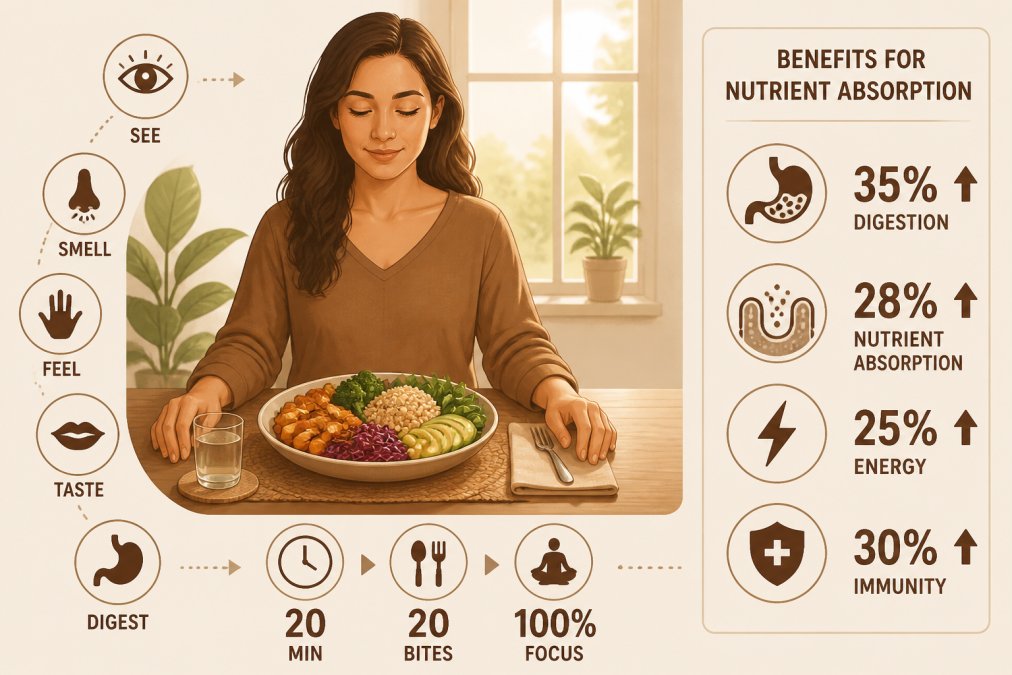
Eating in a calm environment with people you enjoy activates your parasympathetic nervous system. Timing your meals with your circadian rhythm also supports digestion, eating larger meals earlier in the day when digestive capacity is highest, and lighter meals in the evening when your digestive system naturally slows.
Recognizing Signs of an Unhealthy Gut and When to Seek Professional Help
An unhealthy gut sends clear signals. Common signs include chronic bloating, irregular bowel movements, persistent gas, unexplained fatigue, skin problems like eczema or acne, joint pain, brain fog, and mood changes like anxiety or depression. Many people don't connect these seemingly unrelated symptoms to gut health, but they often stem from a damaged gut barrier and dysbiosis (microbial imbalance).
Food sensitivities that develop suddenly often indicate gut barrier damage. If you suddenly can't tolerate foods you've eaten for years, your intestinal lining likely needs repair.
Seek professional evaluation if you experience severe abdominal pain, blood in stool, persistent diarrhea lasting more than a week, unexplained weight loss, or symptoms that worsen despite dietary changes. A qualified healthcare practitioner trained in functional medicine or integrative gastroenterology can order specific tests, stool analysis, food sensitivity testing, breath testing for dysbiosis, that reveal what's actually happening in your system. At Alternative Health & Healing Center, our team combines Applied Kinesiology with comprehensive assessment to identify root causes rather than just treating symptoms.
Creating Your Personalized Holistic Digestive Health Plan
Addressing digestive issues holistically requires a personalized plan tailored to your unique situation.
Start by documenting your current symptoms for one week. Write down what you eat, when you eat, your stress level, sleep quality, and any digestive symptoms. This creates a baseline and often reveals patterns you hadn't noticed.
Identify your top three suspected trigger foods and remove them for 3-4 weeks. Simultaneously, implement stress management, choose one technique like breathing exercises, meditation, time in nature, or creative activity, and practice it daily for 15 minutes. Stress management is non-negotiable.
Improve sleep hygiene by establishing a consistent bedtime, keeping your bedroom cool and dark, and avoiding screens one hour before bed. Add movement, a 20-minute walk after meals is simple and effective.
Introduce fermented foods slowly, starting with one tablespoon of sauerkraut or a small serving of yogurt daily. Gradually increase over weeks as your system adjusts.
After 4-6 weeks, you'll have clear data about what works for your body. Reintroduce eliminated foods one at a time to identify which ones you truly need to avoid versus which ones you can tolerate in moderation.
This process requires patience. Most people notice improvements within 2-3 weeks, but complete restoration of digestive capacity often takes 3-6 months of consistent practice.
| Phase | Timeline | Key Actions | Expected Outcomes |
|---|---|---|---|
| Remove | Weeks 1-4 | Eliminate trigger foods, reduce stress, improve sleep | Reduced bloating, fewer symptoms |
| Restore | Weeks 2-8 | Add digestive support, chew thoroughly, eat mindfully | Improved digestion, better energy |
| Reinoculate | Weeks 4-12 | Consume fermented foods daily, increase fiber gradually | Improved regularity, less gas |
| Repair | Weeks 8+ | Continue all practices, monitor for improvements | Sustained symptom relief, restored capacity |
Addressing digestive issues holistically isn't about finding a quick fix, it's about rebuilding your system's capacity to function optimally. The framework works because it follows your body's actual healing sequence. At Alternative Health & Healing Center, we've spent nearly 40 years helping patients move through this process with personalized guidance and advanced assessment tools. Our team uses Applied Kinesiology to identify exactly which systems need support and which interventions will work best for your unique physiology. If you're ready to move beyond symptom management and actually restore your digestive health, request an appointment to discuss your specific situation with our experienced practitioners.
Frequently Asked Questions
How can I fix my digestive problems naturally without medication?
Address digestive issues holistically by combining dietary changes, stress management, adequate hydration, and sleep quality. Start by eliminating common trigger foods, adding fiber-rich and fermented foods to support your microbiome, and managing stress through techniques like deep breathing or gentle exercise. Many people see improvements within 4-8 weeks of consistent lifestyle modifications. However, if symptoms persist or worsen, consult a qualified healthcare provider to rule out underlying conditions.
What is the 4 R's of gut healing protocol and how does it work?
The 4 R's framework removes inflammatory foods, restores digestive enzymes and stomach acid, reinoculates beneficial gut flora through probiotics and fermented foods, and repairs the gut barrier through anti-inflammatory foods and nutrients like L-glutamine. This protocol addresses the root causes of digestive dysfunction rather than just masking symptoms. Practitioners typically spend 4-12 weeks on each phase, though timelines vary based on individual severity and compliance.
How does stress affect my digestion and gut health?
Stress triggers the release of cortisol and activates your fight-or-flight response, which diverts blood away from your gastrointestinal tract and reduces digestive motility. This can cause bloating, constipation, diarrhea, and inflammation in the gut. The gut-brain axis means your nervous system directly controls digestion. Managing stress through meditation, yoga, adequate sleep, and physical activity helps restore normal digestive function and supports a healthy microbiome.
What foods should I eat to support my digestive health?
Focus on fiber-rich foods like vegetables, whole grains, and legumes to feed beneficial gut bacteria. Include fermented foods such as yogurt, kefir, sauerkraut, and kimchi to introduce probiotics and support your microbiome. Add anti-inflammatory foods like fatty fish, leafy greens, and berries. Limit processed foods, refined sugars, and excessive alcohol, which can trigger dysbiosis and inflammation. Drink plenty of water throughout the day to support digestive motility and nutrient absorption.


