 how-to
How to Get Relief from Musculoskeletal Pain: 7 Steps
Table of Contents
- Step 1: Get a Proper Assessment Before You Treat Anything
- Step 2: Try Natural Pain Management Techniques at Home
- Step 3: Explore Non-Invasive Pain Relief Technology
- Step 4: See How Applied Kinesiology for Pain Relief Works
- Step 5: Support Recovery with Food, Movement, and Sleep
- Step 6: Address the Psychological Side of Chronic Pain
- Step 7: Adjust Your Home and Workspace to Reduce Flare-Ups
- Common Mistakes That Slow Down Musculoskeletal Pain Relief
- Frequently Asked Questions
Last Updated: September 22, 2026
Step 1: Get a Proper Assessment Before You Treat Anything
To get relief from musculoskeletal pain that lasts, start with a real diagnosis, not a guess. It affects muscles, bones, joints, ligaments, and tendons and can stem from dozens of causes; treating the wrong one wastes time and money.
A proper assessment looks at how you move, where your pain started, and what makes it worse. At Alternative Health & Healing Center, our team pairs nearly 40 years of clinical experience with hands-on testing to find the root cause.
Two people with the same sore lower back can need completely different care: one a muscle strain, another nerve compression, a third fibromyalgia.
Before you spend a dollar on treatment, ask for:
- A full movement and posture exam
- A review of your health history and prior injuries
- Clear answers about what is causing your pain
- A written plan with expected milestones
The National Institute of Arthritis and Musculoskeletal and Skin Diseases overview of musculoskeletal conditions explains how these conditions are classified and why accurate diagnosis matters.
Step 2: Try Natural Pain Management Techniques at Home
Natural pain management techniques give you control between appointments, but relief versus wasted effort comes down to protocol. Heat relaxes tight muscles, ice calms fresh inflammation, and gentle movement keeps joints from stiffening.
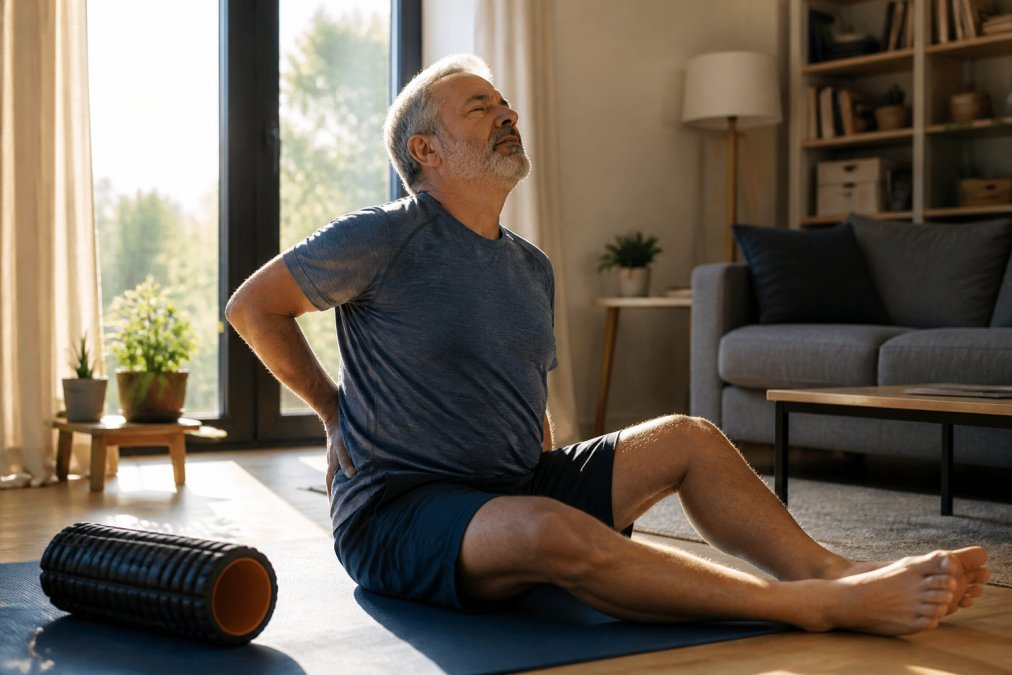
Heat therapy protocol. Moist heat penetrates deeper than dry heat. Use a gel pack or warm damp towel for 15 to 20 minutes, never longer, always over clothing, and set a timer, falling asleep with a heating pad causes low-temperature burns. Best in the morning for stiffness and before activity.
Cold therapy protocol. Ice reduces acute inflammation and numbs sharp pain. Apply a cold pack wrapped in a thin towel for 10 to 15 minutes, then wait at least 60 minutes before reapplying. Never place ice directly on skin. Best after activity, after a flare-up, or within 48 hours of a new injury.
Contrast therapy. Alternating heat and cold can improve circulation in chronic, stiff areas: 3 minutes heat, 1 minute cold, repeated 3 to 4 times, ending on cold.
Step 3: Explore Non-Invasive Pain Relief Technology
Non-invasive pain relief technology can speed tissue repair without surgery or heavy medication, using sound waves, light, or magnetic fields to stimulate healing.
These approaches aim to:
- Reduce inflammation at the source
- Break up scar tissue and adhesions
- Improve blood flow to injured areas
- Ease nerve pain without drugs
Step 4: See How Applied Kinesiology for Pain Relief Works
Applied kinesiology for pain relief uses muscle testing to find hidden imbalances: weak or overactive muscles can point to joint, nerve, or organ problems standard exams miss.
A typical session involves:
- Testing key muscle groups for strength and response
- Tracing weak links back to their source
- Correcting imbalances with adjustments and targeted therapy
- Re-testing to confirm the change held
Step 5: Support Recovery with Food, Movement, and Sleep
Your daily habits decide how fast you heal. Food, movement, and sleep feed tissue repair and inflammation reduction; ignoring them slows everything else down. This section also covers safely stepping down from pain medication.
- Protein. Aim for roughly 1.2 to 1.6 grams per kilogram of body weight daily during recovery, spread across meals. Sources include eggs, Greek yogurt, fish, poultry, lean beef, beans, and tofu. Protein is the most important nutrient for rebuilding muscle and tendon.
- Calcium and vitamin D. Adults generally need about 1,000 to 1,200 mg of calcium and 600 to 800 IU of vitamin D daily, though your provider may recommend more. Vitamin D supports calcium absorption and bone healing. Fatty fish, fortified dairy, and safe sun exposure are common sources.
- Vitamin K. Leafy greens like kale, spinach, and collards support bone and tissue healing. If you take a blood thinner such as warfarin, keep vitamin K intake consistent and talk to your provider before changing it.
- Omega-3 fatty acids. Salmon, sardines, walnuts, and flaxseed may lower inflammation; two servings of fatty fish weekly is a common target.
- Colorful vegetables and fruit. Aim for 5 or more servings a day for antioxidants and polyphenols that support the body's repair processes.
- Hydration. Dehydration impairs circulation and tissue repair. A common target is half your body weight in ounces of water daily, more if active.
A practical sequence many providers use:
- Stabilize first. Get sleep, hydration, and protein intake consistent before reducing medication.
- Taper slowly. Follow your prescriber's schedule. Do not improvise the pace.
- Replace, don't just remove. Add heat, cold, movement, breathing, and topical options as medication drops.
- Track symptoms. Keep a simple daily log of pain level, sleep, and activity so you and your provider can see patterns.
- Know when to pause. If pain, mood, or sleep worsens significantly, slow the taper and check in with your provider.
Step 6: Address the Psychological Side of Chronic Pain
Chronic pain and stress feed each other, and most treatment plans ignore that link. When pain lasts for months, the brain amplifies signals, and anxiety or poor sleep makes it feel worse.
Mind-body practices that help:
- Mindfulness and meditation to lower stress hormones
- Guided breathing to ease muscle tension
- Cognitive behavioral therapy to change pain-related thoughts
- Journaling to track flare-ups and triggers
Step 7: Adjust Your Home and Workspace to Reduce Flare-Ups
Your home and workspace can help or hurt your recovery. Ergonomic support and small setup changes reduce the daily strain that triggers flare-ups.
Start with these fixes:
- Set your chair so your feet rest flat and knees sit at hip level
- Raise your screen to eye level to ease neck strain
- Add lumbar support to keep postural alignment steady
- Keep items you use often within easy reach
- Take a short movement break every 30 minutes
Common Mistakes That Slow Down Musculoskeletal Pain Relief
The biggest mistake is treating symptoms without finding the cause. Pain is a signal, and masking it with pills or rest alone rarely fixes the underlying problem.
Other common errors:
- Stopping treatment too early once pain fades
- Pushing through sharp pain and re-injuring tissue
- Skipping home exercises between visits
- Ignoring sleep and diet as part of recovery
- Switching providers constantly before a plan has time to work
| Mistake | What It Costs You | The Fix |
|---|---|---|
| No proper assessment | Weeks on the wrong therapy | Get a full movement exam first |
| Stopping early | Pain returns within weeks | Finish the full plan |
| Pushing through pain | Re-injury and setbacks | Stop at the first sharp signal |
| Skipping home care | Slower tissue repair | Do the daily exercises |
| Ignoring sleep and food | Longer healing trajectory | Fix the basics first |
Frequently Asked Questions
What are the most effective natural ways to manage musculoskeletal pain?
Natural pain management techniques include gentle mobility work, heat and cold therapy, anti-inflammatory eating patterns, and stress-reducing practices like breathwork. A 2020 review in the Journal of Clinical Medicine found that combining exercise with education about pain produced better outcomes than either alone. Start with one or two techniques you can do daily, then add more as your body tolerates them. If pain persists beyond a few weeks, a professional assessment can identify what is actually driving it.
How does Applied Kinesiology help with chronic muscle tension?
Applied Kinesiology for pain relief uses manual muscle testing to find weaknesses or imbalances that standard exams can miss. A practitioner checks how specific muscles respond, then traces the problem back to joints, nerves, or organ systems that may be involved. For chronic muscle tension, this approach can reveal whether the tightness comes from a structural issue, a nerve irritation, or a compensation pattern elsewhere in the body. Treatment then combines adjustments, soft tissue work, and home exercises targeted at the actual cause.
Can non-invasive technology like Piezo Wave 2 help with musculoskeletal pain?
Piezo Wave 2 uses acoustic wave therapy to deliver targeted pulses into injured soft tissue. The goal is to stimulate blood flow and tissue repair without surgery or injections. It is commonly used for myofascial pain, tendon problems, and repetitive stress injuries. Results vary by condition and how long you have had it. A qualified provider can tell you whether your specific issue is likely to respond, and how many sessions are typically needed before you commit to a treatment plan.
When should you seek professional help for musculoskeletal pain?
See a professional if pain lasts more than two weeks, keeps you from normal activities, wakes you at night, or comes with numbness, tingling, or weakness. Those signs can point to nerve involvement that home care will not fix. Early evaluation also rules out more serious causes. A chiropractor or physician can assess your movement patterns, order imaging if needed, and build a plan that matches your condition rather than guessing at stretches from the internet.


