 How-to
How to Identify Hidden Triggers of Chronic Inflammation
Last Updated: November 2, 2026
Quick Summary
Hidden triggers of chronic inflammation are identified by keeping a two-week symptom baseline, ranking candidate triggers by evidence strength, and testing one change at a time. Start with well-established factors like smoking, excess body fat, poor sleep, and inactivity before trying elimination diets.
- Record symptoms once daily for two weeks to establish a baseline.
- Address well-established triggers such as tobacco smoke, excess body fat, poor sleep, and inactivity first.
- Change only one variable for two to four weeks so results are clear.
- Reintroduce suspected foods or products and look for the same pattern twice.
- Bring your symptom log to a clinician, since blood tests alone cannot identify the cause.
Table of Contents
- What Chronic Inflammation Looks Like in Daily Life
- What Causes Chronic Inflammation in the Body
- Environmental Exposures and Hidden Triggers to Review
- A Step-by-Step Workflow for Identifying Your Triggers
- What Inflammation Tests Can and Cannot Tell You
- How to Reduce Inflammation in the Body Once Triggers Are Known
- Booking a Consultation to Review Your Possible Triggers
- Frequently Asked Questions
What Chronic Inflammation Looks Like in Daily Life
Chronic inflammation is a slow, low-level state that can persist for months or years, often without obvious warning signs. Learning to spot hidden triggers of chronic inflammation starts with noticing what your body is already telling you. For a closer look at how autoimmune triggers are identified, see Identifying Autoimmune Triggers for Chronic Pain.
Acute inflammation is the body's short-term response to injury or infection. It shows up as redness, heat, swelling, and pain that fade as the area heals. Chronic inflammation is different because the immune response stays switched on long after the original threat is gone.
Common day-to-day signs can include:
- Stiffness that is worst in the morning
- Aching joints that come and go without a clear injury
- Fatigue that does not improve with rest
- Frequent headaches or digestive upset
- Slow recovery from exercise or minor strains
No single symptom proves inflammation is the cause. A pattern of several symptoms, lasting weeks or longer, is what deserves a closer look. If symptoms are severe, sudden, or come with fever, chest pain, or numbness, seek medical care right away.
What Causes Chronic Inflammation in the Body
Chronic inflammation usually develops from a mix of factors rather than one clear cause. The immune system responds to ongoing irritants, and over time that response can keep running even when the irritant is small.
Common contributors include:
- Ongoing infection, where the immune system keeps working against a persistent pathogen
- Excess body fat, which produces inflammatory signaling molecules
- Autoimmune activity, where the immune system targets healthy tissue
- Repeated physical stress from injury, poor posture, or overuse
Researchers continue to study how these factors interact. Many experts describe chronic inflammation as a result of several triggers stacking together, which is why identifying them one at a time can help. Once several triggers are identified, addressing everyday habits can help manage chronic inflammation while keeping the focus on how those factors interact.
Environmental Exposures and Hidden Triggers to Review
Environmental triggers are easy to name and hard to pin down, because most people are exposed to several at once and the immune system does not announce which one is driving the response. The useful move is not to eliminate everything suspicious at once but to investigate one exposure pathway at a time, with a written record, so a pattern can emerge.
Start by separating exposures into three buckets, because each is assessed differently:
- Home: dampness and visible mold, musty odors, water stains on ceilings or behind furniture, basement and bathroom ventilation, pets, bedding, household cleaning sprays, scented candles and plug-ins, and older plumbing or paint.
- Workplace: dust, fumes, solvents, vehicle exhaust, industrial or agricultural dusts, and shared ventilation systems. If symptoms reliably improve on days away from work, that is a signal worth documenting.
- Outdoor and community: traffic-related air pollution near busy roads, wildfire smoke, seasonal pollen, and industrial emissions. Local air-quality readings on high-symptom days are a simple way to test whether outdoor air tracks with your flares.
A practical home walk-through takes about 30 minutes. Check under sinks, around tubs and showers, along basement walls, and behind furniture against exterior walls for staining, peeling paint, or a musty smell. Note any room where symptoms consistently worsen. If you suspect dampness, a moisture meter is inexpensive and more informative than guesswork. For air quality, most public health and environmental agencies publish daily indexes you can compare against your symptom log.
Watch out: A single positive mold test or a dusty workplace does not prove causation. The goal of an exposure review is to generate a ranked list of candidates to discuss with a clinician, not to self-diagnose.
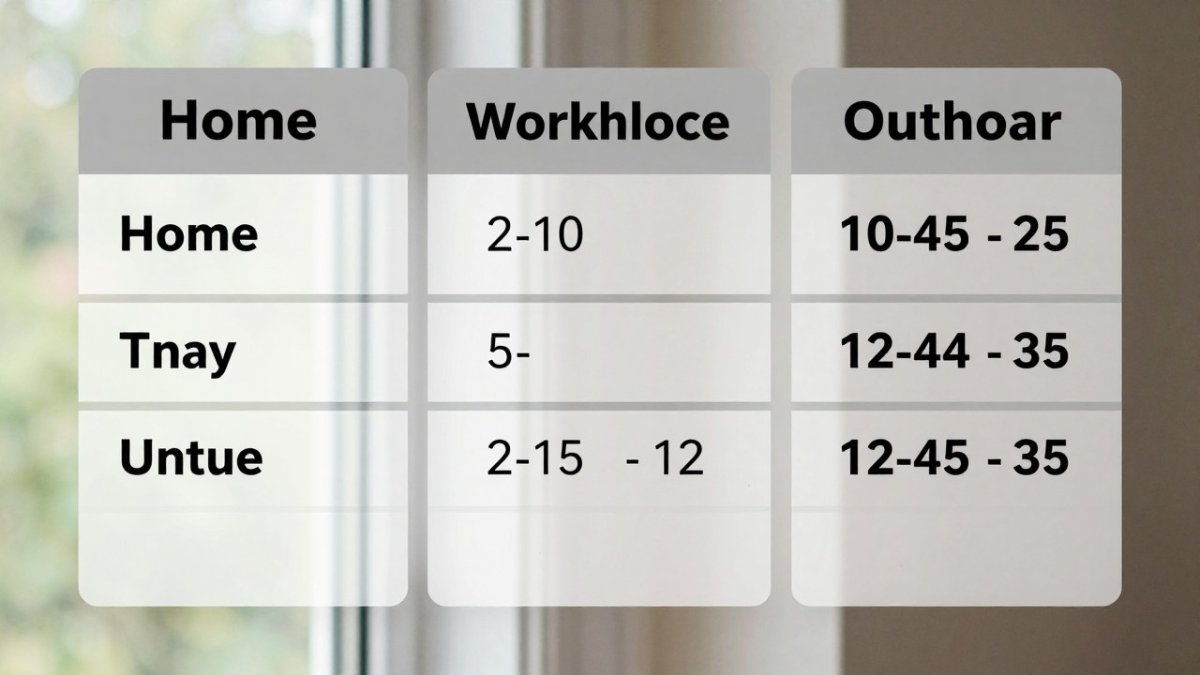
When you bring this to an appointment, organize it by exposure type and date rather than as a narrative. A clinician can then decide whether further evaluation, such as allergy testing, lung function testing, or a workplace assessment, is warranted.
A Step-by-Step Workflow for Identifying Your Triggers
Most guides list possible triggers and stop there. A workable investigation does three things competitors usually skip: it grades how strong the evidence is for each candidate trigger, it uses a structured log rather than memory, and it tests one change at a time with a clear before-and-after comparison.
Step 1: Build a two-week baseline. Record symptoms once daily, rating pain, stiffness, fatigue, and digestive upset from 0 to 10. Note sleep hours, meals, stress level, new products, and time spent in damp, dusty, or high-traffic environments. Two weeks is enough to see your normal range and to catch day-to-day variability that a single bad day would hide.
Step 2: Rank candidate triggers by evidence strength. Not every trigger deserves the same effort. A reasonable ranking looks like this:
- Well established: tobacco smoke, excess body fat, poor sleep, physical inactivity, and ongoing infection. These have consistent support and should be addressed first.
- Moderately supported: air pollution, workplace dusts and fumes, and heavily processed diets high in added sugar and refined carbohydrates.
- Less certain or individual: specific food sensitivities, household fragrances, and many supplement claims. These are worth testing only after the stronger candidates are addressed, and only with a structured trial.
This ranking matters because it prevents the common trap of starting with an expensive elimination diet while ignoring sleep, smoking, or inactivity.
Step 3: Test one change at a time. Pick the highest-ranked plausible trigger and change only that variable for two to four weeks. Keep everything else steady. If you remove several foods or products at once, you cannot tell which one mattered.
Step 4: Use a washout and reintroduction for suspected foods or products. After the test period, reintroduce the item for several days and compare symptom scores. A true trigger usually produces a repeatable change in both directions. A single bad week after reintroduction is not enough; look for the same pattern twice.
Step 5: Compare against your baseline, not against how you feel today. A drop of two or more points on a 0-to-10 scale that holds for a week is more meaningful than a single good day. Bring the log to your appointment so your clinician can interpret it alongside your history and any lab results.
Step 6: Review and revise. Triggers often stack. After one change is settled, move to the next candidate. Expect the process to take two to three months for a thorough review, and stop any trial that causes significant distress, weight loss, or worsening symptoms.
Watch out: Elimination trials are not appropriate for everyone. People who are pregnant, have diabetes, have a history of disordered eating, or take medications affected by diet should plan any trial with a clinician rather than starting on their own.
The workflow runs in six steps, each with a timeframe or frequency you can follow.
| Step | What to do | Time or frequency |
|---|---|---|
| Build a baseline | Record symptoms, sleep, meals and stress | Once daily for two weeks |
| Rank candidate triggers | Grade triggers by strength of evidence | Before starting any trial |
| Test one change | Change only the highest-ranked variable | Two to four weeks |
| Washout and reintroduction | Reintroduce the item and compare scores | Several days, then repeat pattern |
| Compare to baseline | Look for a two-point drop held for a week | Weekly review |
| Review and revise | Move to the next candidate trigger | Two to three months overall |
What Inflammation Tests Can and Cannot Tell You
Blood tests can support an evaluation, but they do not diagnose the cause of chronic inflammation on their own. Common markers include C-reactive protein (CRP) and erythrocyte sedimentation rate (ESR). Elevated levels indicate that inflammation is present, not where it comes from (C-Reactive Protein (CRP) Test: MedlinePlus Medical Test).
Tests can be useful for tracking changes over time. They can also be normal even when symptoms are real. Your clinician will interpret results alongside your history, examination, and symptom log. Do not self-diagnose from a single lab value.
How to Reduce Inflammation in the Body Once Triggers Are Known
Once you have identified likely triggers, the goal is to reduce exposure. Readers looking for natural alternatives to pain medication will find practical options covered in our guide. Many people find that an anti-inflammatory approach helps. This generally includes vegetables, fruits, whole grains, legumes, fish, and healthy fats, along with regular movement and consistent sleep. For concrete steps, see lifestyle changes to reduce chronic joint inflammation.
Our team at Alternative Health & Healing Center focuses on integrative care for musculoskeletal and nerve pain. Results vary by person, and no approach guarantees relief.
Booking a Consultation to Review Your Possible Triggers
If you are dealing with persistent joint or nerve pain, a consultation can help you sort out what may be driving it. At Alternative Health & Healing Center, our team reviews your history, symptom log, and goals, then explains the options that may suit you. Contact our office to request an appointment and take the next step toward understanding your pain.
Frequently Asked Questions
What are the symptoms of chronic inflammation in the body?
Chronic inflammation often shows up as ongoing joint stiffness, persistent aches, fatigue, poor sleep, digestive upset, and slow-healing soreness rather than a single obvious injury. Symptoms tend to build over months and may come and go. Because many of these signs overlap with other conditions, the pattern over time matters more than any one symptom. Track when symptoms flare and what preceded them, and review those notes with a qualified health professional who can evaluate you in person.
What tests can help identify inflammation?
Clinicians commonly order blood tests such as C-reactive protein (CRP) and erythrocyte sedimentation rate (ESR) to look for inflammation markers. These tests show that inflammation may be present but usually do not identify its source. A normal result does not rule out inflammation, and an elevated result is not a diagnosis on its own. Interpretation depends on your history, symptoms, and other findings, so discuss results with your provider rather than acting on a number alone.
Can chronic inflammation be cured?
Chronic inflammation is generally managed rather than instantly cured, and the outlook depends on the underlying cause. Some contributing factors, such as a specific medication or an ongoing exposure, can sometimes be addressed directly. Others, including certain autoimmune conditions, require long-term care. A qualified provider can explain what is realistic for your situation and what a reasonable management plan looks like.
How can you reduce inflammation safely?
Safe approaches usually start with a provider evaluation to confirm what is driving symptoms, then focus on reversible habits such as regular physical activity, consistent sleep, diet quality, and stress management. Make one change at a time so you can see what helps. Do not start, stop, or change medications or supplements without medical guidance, and seek prompt care for red flags such as fever, unexplained weight loss, chest pain, or rapidly worsening swelling.