 how-to
Is Chronic Pain Testing Covered by Insurance?
Table of Contents
- Types of Chronic Pain Diagnostic Tests and Coverage
- Prior Authorization for Pain Testing
- Medicare and Medicaid Coverage for Pain Diagnostics
- Is Chiropractic Care Covered for Chronic Pain?
- Out-of-Pocket Costs for Pain Management Diagnostics
- Appealing Denied Claims for Diagnostic Testing
- How to Verify Your Coverage Before Testing
- Frequently Asked Questions
Last Updated: August 30, 2026
Types of Chronic Pain Diagnostic Tests and Coverage
When dealing with chronic pain, your doctor will recommend diagnostic testing to identify the root cause. Common tests include X-rays, MRI scans, CT scans, ultrasound, blood work, and nerve conduction studies. X-rays are typically the first step and usually covered for suspected musculoskeletal issues. MRI scans provide detailed soft tissue imaging for evaluating nerve compression, disc herniation, or ligament damage, but insurers frequently require prior authorization.
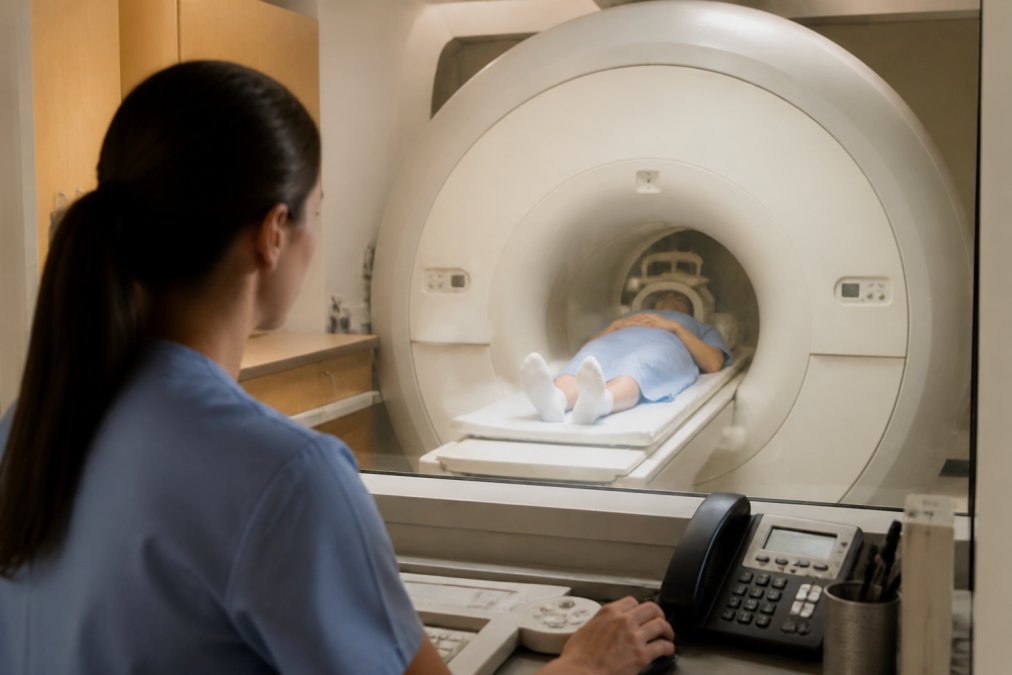
Most health insurance plans cover medically necessary diagnostic testing when a licensed provider orders it based on clinical guidelines. Insurance companies use standards from organizations like the American College of Radiology to determine necessity (acr.org). If your doctor orders an MRI for chronic lower back pain without documenting conservative treatment attempts, your insurer may deny the claim or require you to exhaust physical therapy first.
Urine drug screening for patients on opioid medications is typically covered as part of medication monitoring. Blood work to check liver and kidney function before starting pain medications is usually covered as standard medical practice. A test might be covered at one facility but not another, depending on whether it's in-network. Out-of-network diagnostic centers often result in higher out-of-pocket costs.
Prior Authorization for Pain Testing
Prior authorization is when your insurance company approves a medical service before you receive it. For many diagnostic tests related to chronic pain, prior authorization is required. Without it, you risk receiving an unexpected bill or having your claim denied.
MRI and CT scans almost always require prior authorization. Your doctor's office typically submits documentation explaining why the test is medically necessary, including your medical history, previous treatments, and clinical justification. The approval process usually takes 24-48 hours.
Physical therapy evaluations and ongoing treatment for chronic pain frequently require prior authorization. Insurance companies want to ensure conservative treatment is attempted before approving more expensive interventions. Understanding your plan's prior authorization requirements before scheduling tests can save significant stress and money.
Some insurance plans have standing prior authorization for certain tests when ordered by board-certified pain specialists. If you're seeing a pain management doctor, ask whether your plan has simplified authorization for their referrals.
Medicare and Medicaid Coverage for Pain Diagnostics
Medicare Part B covers diagnostic imaging like X-rays, MRI, and CT scans when medically necessary. You'll typically pay 20% of the Medicare-approved amount after meeting your deductible. For Medicare Advantage plans (Part C), coverage varies by plan and may require prior authorization.
Medicaid coverage for chronic pain diagnostics varies significantly by state, as each state administers its own program with different policies. Some states cover comprehensive diagnostic testing; others have more restrictive policies. Urine drug screening for patients on chronic pain medications is covered by most state Medicaid programs as part of opioid safety monitoring (medicaid.gov). Contact your state's Medicaid program directly to understand what diagnostic testing is covered.
Is Chiropractic Care Covered for Chronic Pain?
Chiropractic care coverage for chronic pain varies widely among insurance plans. Many plans cover chiropractic treatment for acute back or neck pain when ordered by a physician, but coverage for chronic pain conditions is less consistent. Most plans that cover chiropractic care require treatment be medically necessary and ordered by a primary care physician or specialist, often limiting visits to 12-20 per year (aarp.org).
Medicare covers chiropractic care only for subluxation of the spine, a specific misalignment condition. Medicare does not cover chiropractic treatment for general chronic pain, fibromyalgia, or other systemic conditions. Medicaid coverage also varies by state.
At Alternative Health & Healing Center, we combine chiropractic techniques with additional therapeutic modalities like Applied Kinesiology and advanced technology such as Piezo Wave therapy to address chronic pain comprehensively. Our team can help you understand what your plan covers and explore options that fit your situation. If your insurance plan covers chiropractic care only when ordered by a physician, you'll need a referral from your primary care doctor.
Out-of-Pocket Costs for Pain Management Diagnostics
Even with health insurance, you'll likely have out-of-pocket costs for diagnostic testing. These come in several forms: deductibles, copayments, coinsurance, and balance billing.
Your deductible is the amount you must pay before your insurance starts covering services. Once met, you typically pay a copayment or coinsurance. Coinsurance is often the largest out-of-pocket expense for imaging. If your plan covers 80% of a $1,200 MRI scan, you'd pay $240 out of pocket.
Using in-network providers significantly reduces costs. In-network facilities have negotiated rates with your insurance company. Out-of-network facilities can result in 30-50% higher bills. Balance billing occurs when an out-of-network provider bills you for the difference between what they charge and what your insurance allows.
Before scheduling any diagnostic test, ask your provider's office to verify your coverage and estimate your out-of-pocket cost. This simple step prevents bill surprises.
Appealing Denied Claims for Diagnostic Testing
If your insurance company denies coverage for a diagnostic test your doctor ordered, you have the right to appeal. Insurance denials typically occur because the test wasn't deemed medically necessary, prior authorization wasn't obtained, you used an out-of-network provider, or the test wasn't ordered by a qualified provider.
Your insurance company must provide a written Explanation of Benefits (EOB) detailing the denial reason and your appeal rights. The appeals process typically has two levels: an internal appeal to your insurance company and, if that fails, an external appeal to an independent third party. Most plans require internal appeals within 30-180 days of the denial notice.
During the internal appeal, your doctor can submit additional documentation explaining medical necessity, clinical guidelines supporting the test, documentation of failed conservative treatments, or specialist recommendations. If your internal appeal is denied, you can request an external review. An independent medical reviewer will evaluate your case, and if they determine the test should have been covered, your insurance company must pay for it.
Documentation is critical in appeals. Your doctor's detailed clinical notes explaining medical necessity carry significant weight. If your doctor can cite clinical guidelines supporting the test, your appeal is stronger.
How to Verify Your Coverage Before Testing
Before scheduling any diagnostic test for chronic pain, verify your coverage directly with your insurance company. This 15-minute step can save you hundreds of dollars in unexpected bills.

Gather your insurance information: member ID number, group number, and plan name from your insurance card. Call your insurance company's customer service number and ask these specific questions:
Is diagnostic testing for chronic pain covered under my plan? What is my deductible, and have I met it this year? What is my coinsurance percentage for diagnostic imaging? Does my plan require prior authorization for MRI, CT scans, or other imaging? Are there in-network diagnostic facilities near me? Will I face balance billing if I use an out-of-network facility?
Write down the representative's name, date, time, and any confirmation numbers. After speaking with your insurance company, contact your doctor's office and share what you learned. If your plan requires prior authorization, ask the office to submit the request before you schedule your test.
| Verification Step | What to Ask | Why It Matters |
|---|---|---|
| Deductible Status | Have I met my annual deductible? | Determines if you pay full cost or coinsurance |
| Coverage Type | Does my plan cover diagnostic imaging for chronic pain? | Some plans exclude these services entirely |
| Prior Authorization | Does my plan require pre-approval for MRI or CT scans? | Missing this step can result in claim denial |
| In-Network Facilities | Which diagnostic centers are in my network? | In-network use significantly reduces your costs |
| Coinsurance Percentage | What percentage will I pay after my deductible? | Helps you budget for out-of-pocket expenses |
| Balance Billing | Could I face charges beyond my insurance coverage? | Out-of-network use creates balance billing risk |
Navigating insurance coverage for chronic pain diagnostic testing requires understanding your specific plan, communicating clearly with your healthcare providers, and verifying coverage before scheduling tests.
At Alternative Health & Healing Center, our team has nearly 40 years of experience helping patients understand their healthcare options and navigate the complexities of pain management. We work with patients to explore comprehensive diagnostic and treatment approaches that align with their insurance coverage and health goals. Request an appointment today to learn how our approach to chronic pain management can support your healing journey.
Frequently Asked Questions
What diagnostic tests are typically covered for chronic pain?
Most insurance plans cover medically necessary tests like X-rays, MRI scans, blood work, and nerve conduction studies when ordered by a physician. Coverage depends on your specific plan and whether the test meets medical necessity criteria. Physical examination findings and clinical guidelines usually determine which tests your insurance will approve. Contact your insurance provider or visit their website to confirm coverage for specific diagnostic procedures related to your condition.
Do I need prior authorization for pain testing?
Many insurance plans require prior authorization for pain testing, especially advanced imaging like MRI scans or specialized nerve testing. Your healthcare provider's office typically submits the prior authorization request on your behalf before the test is scheduled. Without prior authorization, you may face denied claims or higher out-of-pocket costs. Always ask your provider's billing department whether prior authorization is required before scheduling any diagnostic test.
How much will I pay out-of-pocket for pain management diagnostics?
Out-of-pocket costs depend on your deductible, copayment amount, and coinsurance percentage. You typically pay a copayment for office visits and may owe coinsurance for imaging after meeting your deductible. In-network providers charge less than out-of-network ones. Request an estimate from your provider's billing office and contact your insurance company to understand your exact financial responsibility before testing begins.
Is chiropractic care covered for chronic pain?
Coverage for chiropractic care varies significantly by insurance plan. Some plans cover a limited number of chiropractic visits per year for chronic pain conditions, while others exclude it entirely. Medicare Part B covers chiropractic manipulation for acute conditions but not for chronic pain management. Check your specific insurance policy or call your insurer to confirm whether chiropractic services are covered and what limitations apply to your plan.
What should I do if my insurance denies coverage for a diagnostic test?
Request a written explanation of the denial from your insurance company, including the specific reason (medical necessity, prior authorization not obtained, out-of-network provider, etc.). You have the right to appeal the decision within a specified timeframe (usually 30-60 days). Your healthcare provider can help submit an appeal with clinical evidence supporting medical necessity. If the appeal is denied, you may request an external review by an independent third party.


