 listicle
Pain Management in Fort Myers: Top Providers & Treatment Options
Table of Contents
- Pain Management in Fort Myers: What You Need to Know
- Top Pain Management Providers in the Region
- Alternative Health & Healing Center: Integrative Approach with Advanced Technology
- Advanced Pain Management & Spine Specialists: Non-Surgical Focus
- Lee Health Pain Management: Hospital-Affiliated Multidisciplinary Care
- Orthopedic Specialists of Southwest Florida: Combined Orthopedic and Pain Services
- Orthopedic Center of Florida: Specialized Joint Pain Management
- Affiliated Pain Management: Personalized Care Plans
- Treatment Options and Modalities for Chronic Pain
- Holistic Pain Relief Options: Beyond Traditional Medicine
- Mental Health and Chronic Pain: The Mind-Body Connection
- Integrative Chiropractic Care: A Comprehensive Approach
- Insurance Navigation and Cost Considerations
- What to Expect at Your First Pain Management Consultation
- Frequently Asked Questions
Last Updated: September 27, 2026
Pain Management in Fort Myers: What You Need to Know
Many Southwest Florida residents struggle with chronic pain that limits daily activities. Finding the right pain management fort myers provider can mean the difference between years of suffering and genuine relief.
This guide covers available treatment options and what to expect during care.
Top Pain Management Providers in the Region
The pain management landscape includes several established practices, each with distinct approaches to treatment.
Alternative Health & Healing Center: Integrative Approach with Advanced Technology
Alternative Health & Healing Center specializes in Applied Kinesiology, a diagnostic method that evaluates how the body's systems interact to identify pain sources.
The Piezo Wave 2 system uses acoustic wave therapy to stimulate healing in damaged tissues without invasive procedures, particularly effective for myofascial pain syndrome and sports injuries.
Certifications in acupuncture, biofeedback, and NeuroCranial Restructuring allow patients to access multiple therapeutic modalities under one roof rather than bouncing between specialists.
Advanced Pain Management & Spine Specialists: Non-Surgical Focus
Advanced Pain Management & Spine Specialists emphasizes non-invasive interventions with customized treatment planning and a mobile app for scheduling and progress tracking.
Best for: Patients seeking non-surgical alternatives for chronic spine and nerve pain who value digital convenience alongside clinical expertise.
Lee Health Pain Management: Hospital-Affiliated Multidisciplinary Care
Lee Health Pain Management operates within a hospital network, offering multidisciplinary coordination with other specialties for complex cases, though navigating a large system may require patience.
Orthopedic Specialists of Southwest Florida: Combined Orthopedic and Pain Services
Orthopedic Specialists of Southwest Florida combines orthopedic expertise with pain management and on-site physical therapy, simplifying care for musculoskeletal injuries.
Best for: Patients whose pain is directly tied to orthopedic injuries or structural problems.
Orthopedic Center of Florida: Specialized Joint Pain Management
Orthopedic Center of Florida specializes in joint pain and mobility issues with multiple locations across the region, reducing travel time for ongoing care.
Affiliated Pain Management: Personalized Care Plans
Affiliated Pain Management customizes care based on your specific diagnosis and health history with direct appointment booking.
Treatment Options and Modalities for Chronic Pain
Pain management fort myers includes non-surgical interventions like epidural steroid injections and radiofrequency ablation, physical therapy to address underlying dysfunction, and diagnostic imaging to guide treatment decisions.
Holistic Pain Relief Options: Beyond Traditional Medicine
Holistic approaches include acupuncture for musculoskeletal pain and neuropathy, massage therapy to address myofascial tension, the RICE method for acute pain, and evidence-based chiropractic care that integrates multiple diagnostic methods.
Mental Health and Chronic Pain: The Mind-Body Connection
Chronic pain and mental health are intertwined; cognitive behavioral therapy helps patients develop coping strategies, while stress reduction practices and improved sleep quality directly reduce pain intensity.
Integrative Chiropractic Care: A Comprehensive Approach
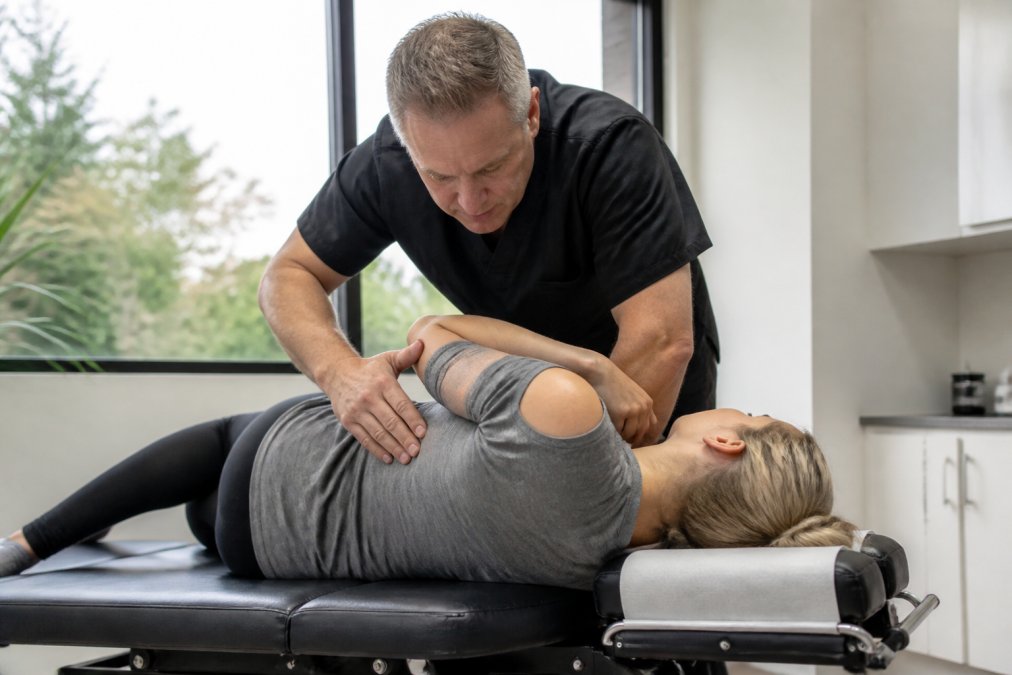
Integrative chiropractic care combines spinal adjustment with Applied Kinesiology, cold laser therapy, acoustic wave therapy, and spinal decompression to address pain at its source, with treatment plans adapting as your condition improves.
Insurance Navigation and Cost Considerations
Most interventional pain procedures are covered by major insurance plans when performed by board-certified providers, but coverage details vary significantly by plan type and procedure.
Common Interventional Procedures and Typical Coverage Patterns
Epidural steroid injections are generally covered by Medicare and most commercial plans when medically necessary, typically requiring documentation of conservative treatment attempts and pre-authorization 5-10 business days before the procedure.
Radiofrequency ablation is covered by Medicare and most commercial insurers for chronic pain conditions that have responded to diagnostic nerve blocks, typically requiring pre-authorization.
Joint injections are typically covered, though some plans limit injections to two to four per joint annually. Physical therapy is covered by most plans with a referral, though visit limits and co-pays vary.
What You Need to Do Before Your First Appointment
Verify with your insurance company whether your procedure is covered, what your deductible and copay are, and whether pre-authorization is required. Ask your pain management provider's billing office to verify coverage and provide an estimate of out-of-pocket costs.
Deductibles, Copays, and Coinsurance Explained
Your deductible is what you pay before insurance shares costs. Coinsurance is your percentage of costs after insurance pays its share. Copays are fixed amounts per visit. For ongoing care like physical therapy, copays add up quickly, a $30 copay twice weekly for 8 weeks totals $480.
Pre-Authorization: What It Means and Why It Matters
Pre-authorization means your insurance company approves the procedure before it happens. Without it, your claim may be denied. Your provider's office typically handles this, but allow 5-15 business days. Ask about pre-authorization status at least two weeks before your procedure.
Self-Pay and Cost-Comparison Options
Ask about self-pay rates, which are often lower than insurance-billed costs. Price-comparison platforms like MDsave can reveal significant cost variation between providers. Many practices offer payment plans or 0% financing for 6-12 months.
What to Expect at Your First Pain Management Consultation
Your initial appointment establishes the foundation for your entire treatment plan and sets realistic expectations for recovery. Understanding what happens during this visit and what comes after helps you prepare mentally and logistically.
The Consultation Process
The provider begins with a detailed history: when your pain started, what makes it worse or better, previous treatments you've tried, and how pain affects your daily life. Be specific about your symptoms, instead of "my knee hurts," describe "sharp pain on the inside of my knee when I climb stairs, worse in the morning, better after 10 minutes of walking." This precision guides accurate diagnosis.
Physical examination follows. The practitioner assesses your range of motion, muscle strength, and pain response to specific movements. Orthopedic tests help pinpoint the source of pain, whether it's joint dysfunction, nerve compression, muscle strain, or referred pain from another area. This hands-on assessment is critical; imaging alone often misses the actual pain generator.
Diagnostic imaging may be ordered if your history and exam suggest structural problems. MRI or ultrasound provides visualization that informs treatment decisions. If you already have recent imaging, bring it, your provider may not need to repeat it.
Once diagnosis is established, the practitioner explains your condition in plain language and outlines a treatment plan. This plan specifies what interventions will be used, how often you'll be seen, and what outcomes are realistic for your situation. A good consultation leaves you understanding your diagnosis, your treatment options, and what you need to do between appointments to support healing.
Recovery Expectations After Common Pain Management Procedures
What to Bring and How to Prepare
After Your Consultation: The Treatment Plan
Frequently Asked Questions
What are the most effective non-surgical pain management options in Fort Myers?
Non-surgical options include physical therapy, acupuncture, chiropractic care, massage therapy, and interventional procedures like epidural steroid injections and radiofrequency ablation. Many providers in Fort Myers offer personalized treatment plans combining multiple modalities. The best approach depends on your specific condition, severity, and health history. A consultation with a board-certified pain management physician can help determine which options suit your situation.
How does Applied Kinesiology assist in chronic pain relief?
Applied Kinesiology uses muscle testing and functional assessment to identify underlying musculoskeletal imbalances and nerve dysfunction contributing to pain. This diagnostic approach helps practitioners develop targeted treatment plans addressing root causes rather than just symptoms. When combined with other therapeutic modalities, it can improve functional restoration and support long-term pain management for conditions like myofascial pain syndrome and repetitive stress injuries.
How do I prepare for my first pain management consultation?
Gather your medical history, including previous diagnoses, surgeries, and current medications. Document your pain patterns, including when it started, what makes it worse or better, and how it affects daily activities. Bring any relevant imaging or test results. Write down specific questions about treatment options and expected outcomes. Arrive early to complete intake forms. Being organized helps your provider understand your condition thoroughly and develop an effective personalized treatment plan.
What is the difference between holistic and traditional pain management?
Traditional pain management typically focuses on pharmaceuticals and surgical interventions. Holistic pain management addresses the whole person, combining physical, mental, and lifestyle factors. It often includes natural therapies like acupuncture, chiropractic care, massage, and mind-body techniques alongside conventional approaches. Integrative clinics blend both methods, offering patients comprehensive options that may reduce reliance on medications while supporting overall wellness and functional restoration.
Are there integrative clinics for musculoskeletal pain in the region?
Yes, several providers in the area offer integrative approaches. Alternative Health & Healing Center specializes in combining chiropractic care with advanced technologies like Piezo Wave 2 therapy and Applied Kinesiology. Other facilities provide multidisciplinary care coordinating orthopedic specialists, physical therapists, and pain medicine physicians. These integrative clinics address musculoskeletal disorders through personalized treatment plans combining multiple therapeutic modalities for comprehensive pain relief.