 listicle
Top 5 Anti-Inflammatory Foods for Autoimmune Health
Table of Contents
- Why Diet Matters for Autoimmune Conditions
- The Top 5 Anti-Inflammatory Foods for Autoimmune Health
- Foods to Avoid for Autoimmune Disease
- Understanding the AIP Diet Food List
- Anti-Inflammatory Meal Planning on a Budget
- How to Prepare Foods for Maximum Nutrient Retention
- Your Next Step Toward Symptom Relief
- Frequently Asked Questions
Last Updated: September 5, 2026
Diet is one of the most powerful tools you have for managing autoimmune conditions, yet it is also the most overlooked piece of the treatment puzzle. The top 5 anti-inflammatory foods for autoimmune health are wild-caught sockeye salmon, organic kale, organic turmeric, organic wild blueberries, and extra virgin olive oil, each chosen for its specific ability to calm systemic inflammation at the cellular level. This guide from Alternative Health & Healing Center breaks down why these particular foods matter, how to prepare them for maximum benefit, and which foods may be working against your recovery efforts.
Most people focus on medication alone, but dietary intervention is a cornerstone of symptom management for conditions like rheumatoid arthritis, lupus, and Hashimoto's thyroiditis. Anti-inflammatory foods work by reducing oxidative stress and supporting immune system regulation, which directly influences how often you experience flare-ups. Below, we will show you exactly how to build meals around these five ingredients, what to avoid, and how to do it without breaking your grocery budget.
Why Diet Matters for Autoimmune Conditions
Autoimmune conditions occur when the immune system mistakenly attacks healthy tissue, creating chronic inflammation that damages joints, organs, and nerves over time. Anti-inflammatory foods are whole, nutrient-dense options that help regulate this immune response rather than trigger it. The gut microbiome plays a central role here, since roughly 70% of your immune system resides in your digestive tract, making food one of the most direct inputs to immune system regulation you control daily.
Research in the field of culinary medicine shows that certain phytonutrients and polyphenols can modulate inflammatory pathways. For example, omega-3 fatty acids found in fatty fish help resolve inflammation, while processed sugars and refined carbohydrates tend to amplify it. What most guides miss is that the same food can behave differently depending on your specific condition, which is why symptom-specific food triggers matter as much as general rules.
The connection between diet and autoimmune health is not theoretical. Many patients report significant changes in joint stiffness, energy levels, and digestive comfort within weeks of shifting to whole foods and eliminating common triggers. This is why the [National Institute of Arthritis and Musculoskeletal and(https://mynapleschiropractor.com/red-light-therapy-pain-relief-naples/) Skin Diseases | niams.nih.gov] emphasizes that while diet cannot cure autoimmune disease, it plays a meaningful role in managing symptoms and improving quality of life.
The Top 5 Anti-Inflammatory Foods for Autoimmune Health
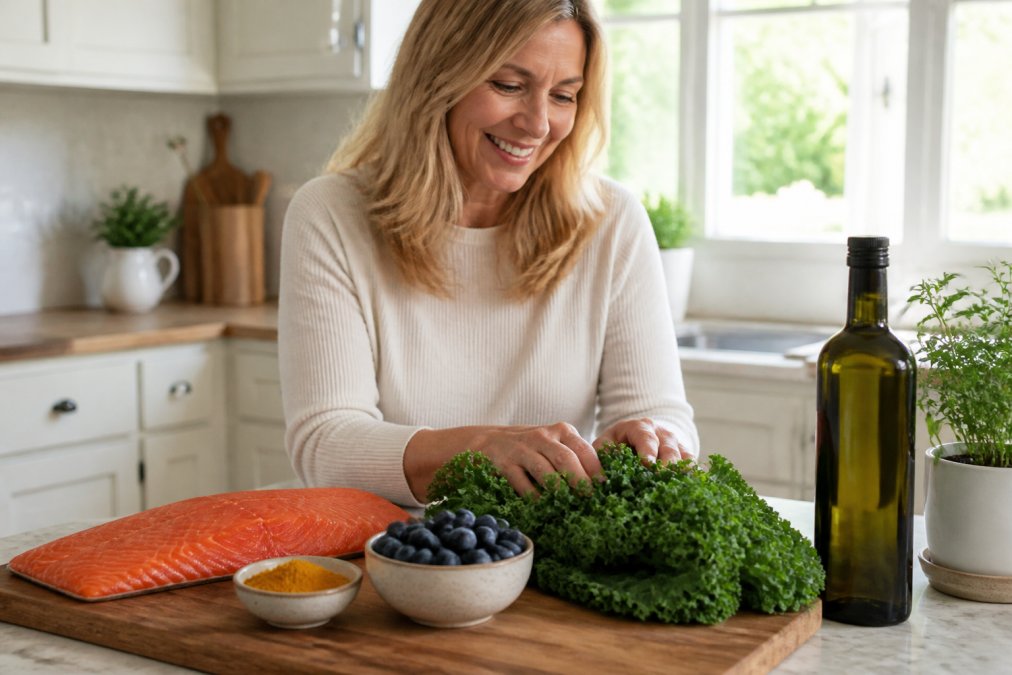
These five foods were selected not because they are trendy, but because each one targets a specific inflammatory mechanism backed by clinical evidence. Together, they form the foundation of an autoimmune protocol that addresses oxidative stress, cytokine production, and gut health simultaneously.
| Food | Key Compound | Primary Benefit | Best Use |
|---|---|---|---|
| Wild-Caught Sockeye Salmon | EPA and DHA omega-3s | Reduces systemic inflammation | 2-3 servings per week |
| Organic Kale | Quercetin, kaempferol | Supports gut microbiome | Daily, raw or sauteed |
| Organic Turmeric | Curcumin | Modulates inflammatory pathways | Daily with black pepper |
| Organic Wild Blueberries | Anthocyanins | Fights oxidative stress | Daily, fresh or frozen |
| Extra Virgin Olive Oil | Oleocanthal | Mimics anti-inflammatory effects | Daily, cold applications |
1. Wild-Caught Sockeye Salmon: Omega-3 Powerhouse
Wild-caught sockeye salmon is the most concentrated food source of long-chain omega-3 fatty acids, specifically EPA and DHA, which are essential for managing systemic inflammation. Unlike farmed varieties, sockeye salmon delivers a superior nutrient profile because it consumes its natural diet of algae and krill, producing higher omega-3 content and lower levels of inflammatory contaminants. For autoimmune health, these fatty acids help resolve inflammation at the cellular level and support joint health without the side effects associated with nonsteroidal anti-inflammatory drugs.
The serving recommendation is two to three portions per week, roughly six ounces each. A common mistake is cooking salmon at high heat, which degrades the delicate omega-3 fats. Poaching, baking at 325 degrees Fahrenheit, or gentle pan-searing preserves the beneficial compounds. For those concerned about cost, canned wild-caught sockeye salmon offers the same anti-inflammatory benefits at a fraction of the price of fresh fillets.
2. Organic Kale: Phytonutrient Density
Organic kale delivers a concentration of quercetin and kaempferol, two flavonoids with potent anti-inflammatory and antioxidant properties that help calm overactive immune responses. Its high fiber content feeds beneficial gut bacteria, supporting the gut microbiome that regulates immune system regulation. Kale is also rich in vitamins A, C, and K, which play direct roles in tissue repair and immune function.
What makes kale particularly valuable for autoimmune patients is its versatility. Raw kale in salads works well when massaged with olive oil and lemon to break down tough fibers, while sauteed kale with garlic provides a warming option for colder months. The organic label matters here because kale is consistently listed among the most pesticide-contaminated produce, and reducing chemical burden supports your body's detoxification pathways.
3. Organic Turmeric: Curcumin's Targeted Relief
Organic turmeric contains curcumin, the compound responsible for its bright yellow color and its ability to modulate multiple inflammatory pathways simultaneously. Curcumin's anti-inflammatory properties are well documented, but its low bioavailability means most of it passes through your system unabsorbed without proper preparation. The solution is pairing turmeric with black pepper, which contains piperine and can enhance curcumin absorption significantly.
For autoimmune conditions, turmeric shows particular promise for joint pain and stiffness. A daily dose of one to two teaspoons of powder in food, or a standardized supplement under professional guidance, provides consistent anti-inflammatory support. The organic certification ensures the turmeric is tested for heavy metal purity, a concern with conventionally sourced spices.
4. Organic Wild Blueberries: Antioxidant Protection
Organic wild blueberries are smaller than their cultivated cousins but contain nearly double the concentration of anthocyanins, the pigments responsible for their deep blue color and powerful antioxidant capacity. These compounds neutralize free radicals that contribute to oxidative stress, a key driver of tissue damage during autoimmune flare-ups. Wild blueberries also have a lower glycemic index than most fruits, meaning they will not spike blood sugar and trigger the inflammatory cascade associated with refined carbohydrates.
The convenience factor makes wild blueberries an easy daily addition. Frozen wild blueberries retain their antioxidant content and are available year-round at a reasonable cost, making them a practical choice for smoothies, oatmeal, or a simple snack. A half-cup serving daily provides meaningful antioxidant protection without excess sugar. flavor-enhancing spices.
5. Extra Virgin Olive Oil: Healthy Fats That Heal
Extra virgin olive oil contains oleocanthal, a polyphenol with anti-inflammatory effects that researchers have compared to ibuprofen, without the gastrointestinal side effects. Cold-pressed extra virgin olive oil preserves these polyphenols, while refined olive oils lose most of their beneficial compounds during processing. For autoimmune health, replacing inflammatory seed oils with extra virgin olive oil is one of the simplest dietary changes you can make.
Foods to Avoid for Autoimmune Disease
Foods to avoid for autoimmune disease are just as important as the foods you include, because certain ingredients actively trigger or worsen systemic inflammation. The primary culprits are processed sugars, refined carbohydrates, industrial seed oils, and food sensitivities specific to your condition. Processed sugars spike blood glucose, which promotes the production of inflammatory cytokines, while refined carbohydrates like white bread and pastries act similarly.
Nightshade vegetables, including tomatoes, peppers, eggplant, and potatoes, are problematic for a subset of autoimmune patients, particularly those with joint pain. The autoimmune protocol diet eliminates nightshades during an elimination phase to determine whether they contribute to your symptoms. Gluten and dairy are also common triggers, especially for individuals with Hashimoto's thyroiditis or rheumatoid arthritis, due to molecular mimicry where proteins in these foods resemble your own tissues.
Understanding the AIP Diet Food List
The AIP diet food list is a structured elimination protocol designed to identify food sensitivities and reduce inflammation in autoimmune conditions. The autoimmune protocol goes beyond standard anti-inflammatory eating by temporarily removing all potentially reactive foods, then systematically reintroducing them to identify personal triggers. This includes eliminating grains, legumes, dairy, eggs, nuts, seeds, nightshades, processed foods, and refined sugars for a period of four to six weeks.
During the elimination phase, the AIP diet food list emphasizes nutrient-dense whole foods: fatty fish, organ meats, leafy greens, root vegetables, fermented foods, and healthy fats like coconut and avocado. The goal is to starve the inflammatory response while providing your body with the raw materials it needs for repair. After symptoms improve, foods are reintroduced one at a time, typically every three to five days, while monitoring for reactions like joint pain, digestive distress, or skin changes.
The AIP diet is not meant to be restrictive forever. Many patients find they can tolerate certain foods after their gut heals and inflammation subsides. The National Center for Complementary and Integrative Health notes that dietary approaches to autoimmune conditions should be individualized, since no single diet works for every patient.
Anti-Inflammatory Meal Planning on a Budget
Anti-inflammatory meal planning does not require a specialty grocery budget if you approach it strategically. The foods listed above have a range of price points, and with smart shopping, you can build an anti-inflammatory kitchen without financial strain. The most expensive item, wild-caught sockeye salmon, can be replaced with canned wild-caught salmon or sardines for omega-3 intake at a fraction of the cost.
Frozen wild blueberries, organic frozen kale, and sweet potatoes are significantly cheaper than their fresh counterparts and retain their nutritional value. Buying turmeric, ginger, and spices in bulk from ethnic grocers reduces costs dramatically compared to packaged spice jars. Seasonal shopping also matters: kale and blueberries are less expensive during peak harvest months, while extra virgin olive oil purchased in larger containers offers better value per ounce.
A practical weekly strategy is to plan meals around a few core anti-inflammatory ingredients rather than trying to incorporate every recommended food daily. Batch cooking sweet potatoes, pre-washing kale, and making a large pot of turmeric-ginger soup at the start of the week reduces both cost and the psychological barriers to dietary change. The Office of Dietary Supplements provides guidance on omega-3 intake from food sources, which can help you plan portions without relying solely on supplements.
How to Prepare Foods for Maximum Nutrient Retention
Preparation methods for nutrient retention can either enhance or destroy the anti-inflammatory compounds in your food, making technique as important as ingredient selection. Heat, light, and oxygen all degrade delicate phytonutrients, so how you cook matters. Gentle cooking methods like steaming, sauteing at medium heat, and roasting at moderate temperatures preserve more antioxidants than boiling or high-heat frying.
For turmeric, the combination of heat, fat, and black pepper maximizes curcumin absorption. For kale, light steaming or massaging raw leaves with acid and oil breaks down oxalic acid and improves nutrient bioavailability. Wild blueberries are best consumed raw or lightly warmed, since prolonged heat reduces their anthocyanin content. Extra virgin olive oil should be added after cooking or used in cold applications to preserve its polyphenols.
Your Next Step Toward Symptom Relief
Diet is a foundational piece of managing autoimmune conditions, but it works best as part of a comprehensive approach that addresses the whole person. At Alternative Health & Healing Center in Naples, Florida, we combine nearly 40 years of clinical experience with specialized approaches like Applied Kinesiology to identify the root causes of systemic inflammation and support your body's healing response. Our integrative model pairs dietary guidance with advanced therapeutic modalities to address musculoskeletal and nerve pain that often accompany autoimmune disease.
The top 5 anti-inflammatory foods for autoimmune health are a starting point, not a complete solution. Many patients find that combining dietary changes with professional support accelerates their progress, especially when dealing with complex conditions like fibromyalgia or Hashimoto's thyroiditis. If you have been struggling with chronic inflammation and are unsure where to begin, a consultation can help you create a personalized plan that addresses your specific triggers and symptoms. Request an appointment with our team and take the next step toward lasting relief.
Frequently Asked Questions
What foods should I eat to reduce autoimmune inflammation?
Focus on foods rich in omega-3 fatty acids and antioxidants. Wild-caught salmon, organic kale, turmeric, wild blueberries, and extra virgin olive oil are excellent choices. These foods help manage systemic inflammation and support immune system regulation. Pair them with a balanced diet of whole foods and lean proteins. For a structured approach, many people follow an AIP diet food list to identify personal triggers.
What are the 5 worst foods that trigger inflammation?
The most common inflammatory triggers are processed sugars, refined carbohydrates, industrial seed oils, processed meats, and excessive alcohol. For many with autoimmune conditions, nightshade vegetables, gluten, and dairy also cause flare-ups. Keeping a food diary can help you identify your specific food sensitivities. An elimination diet, guided by a professional, can clarify which foods worsen your symptoms.
Can diet changes help manage autoimmune disease symptoms?
Yes. Dietary intervention is a powerful tool for symptom management. A diet rich in anti-inflammatory foods can reduce oxidative stress and lower inflammatory markers. While food alone is not a cure, it often complements medical treatment. Many patients report fewer flare-ups and improved energy when they consistently avoid trigger foods and prioritize nutrient-dense options like fatty fish and leafy greens.
How do I start an anti-inflammatory meal plan?
Start by building meals around a protein, healthy fat, and vegetables. For breakfast, try a smoothie with organic wild blueberries and kale. For lunch, a salad topped with salmon and extra virgin olive oil. For dinner, baked chicken with roasted sweet potatoes. Batch-cook staples like quinoa and roasted vegetables to make daily assembly simple and budget-friendly.