 how-to
What Happens if You Delay Knee Replacement Surgery
Table of Contents
- How Osteoarthritis Progresses When You Delay Knee Replacement Surgery
- Cartilage Erosion and Joint Degeneration: The Physical Toll of Waiting
- Mobility Loss and Functional Decline From Prolonged Delay
- Signs You Need Knee Replacement Surgery: When Waiting Becomes Risky
- Non-Surgical Knee Pain Management: What Works and What Doesn't
- Surgical Complications and Recovery: How Delay Affects Your Outcomes
- Knee Replacement Recovery Timeline: What to Expect After Surgery
- Making the Decision: Financial and Quality of Life Considerations
- Frequently Asked Questions
Last Updated: August 17, 2026
How Osteoarthritis Progresses When You Delay Knee Replacement Surgery
When you postpone knee replacement surgery, osteoarthritis doesn't pause, it accelerates. The cartilage cushioning your knee joint continues to deteriorate, bone-on-bone contact increases, and structural damage compounds over time. At Alternative Health & Healing Center, we work with patients at every stage of knee joint degeneration to help them understand what happens during delay and make informed decisions about their health.
Osteoarthritis progresses through distinct stages. In early stages, cartilage erosion is gradual and manageable with conservative treatments. But as months and years pass without intervention, deterioration accelerates. The joint space narrows significantly, inflammation becomes chronic, and surrounding muscles atrophy from reduced activity and pain avoidance. Research shows that patients who wait longer often face more complex surgical procedures and longer rehabilitation periods.
Cartilage Erosion and Joint Degeneration: The Physical Toll of Waiting
Cartilage erosion is the hallmark of osteoarthritis, and it accelerates when you delay surgery. Unlike bone, cartilage cannot repair itself once damaged. In early stages, erosion is slow, but as disease progresses, it accelerates exponentially. The protective layer allowing smooth joint movement becomes thinner and rougher, increasing bone-on-bone contact and triggering inflammation that compounds the problem.
When cartilage erodes significantly, joint space narrows, visible on X-rays and representing irreversible damage. The narrower the joint space, the more unstable the knee feels and the more compensatory stress you place on surrounding tissues. Many patients experience sharp, catching sensations or feel their knee might "give out."
Inflammatory cytokines flood the joint, triggering pain, swelling, and further tissue damage. This creates a vicious cycle: inflammation causes pain, pain reduces movement, reduced movement causes muscle atrophy, and muscle atrophy destabilizes the joint further, accelerating cartilage loss.
Joint degeneration also affects subchondral bone beneath the cartilage. As cartilage wears away, this bone is exposed to abnormal stress. The body responds by forming bone spurs and hardening the bone surface, permanent changes that cannot be reversed by conservative treatment. These structural changes make surgery more technically challenging if you eventually decide to proceed.
Mobility Loss and Functional Decline From Prolonged Delay
Reduced mobility is one of the most immediate and disabling consequences of delaying knee replacement surgery. What starts as morning stiffness or difficulty after prolonged sitting evolves into profound functional limitations affecting every aspect of daily life.
As osteoarthritis progresses, range of motion decreases steadily. The knee becomes increasingly difficult to bend and straighten fully. Patients report they can no longer sit comfortably, climb stairs without pain, or walk distances they once took for granted.
This loss of mobility triggers secondary problems. Gait abnormalities develop as patients unconsciously alter their walking pattern to avoid pain. They may lean away from the affected knee, shorten their stride, or keep the knee slightly bent to reduce stress. These compensatory patterns place abnormal stress on the hip, lower back, and opposite knee, often leading to pain in these areas as well.
Functional disability accelerates with prolonged delay. Climbing stairs becomes careful and painful. Getting in and out of a car requires strategic maneuvering. Some patients report they can no longer participate in activities they love, gardening, walking with friends, playing with grandchildren, or standing long enough to cook dinner.
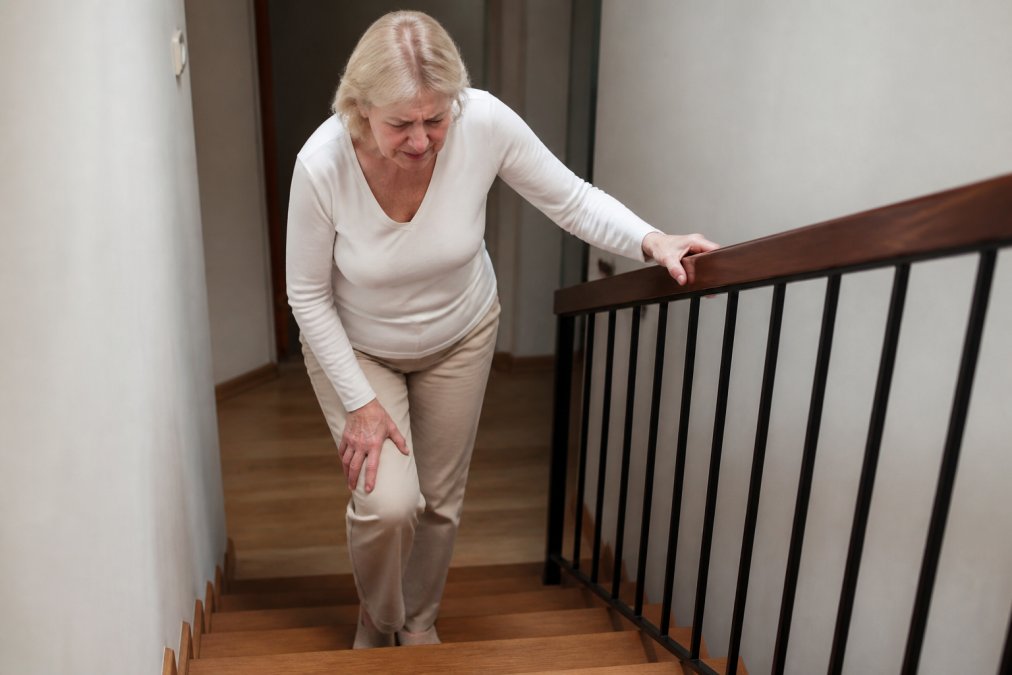
The sedentary lifestyle resulting from mobility loss creates additional health risks. Reduced physical activity contributes to weight gain, which increases stress on remaining joint cartilage. Cardiovascular fitness declines, and deconditioning makes eventual surgery recovery more challenging. The psychological impact, loss of independence, frustration with limitations, and social isolation, contributes to depression and anxiety.
Signs You Need Knee Replacement Surgery: When Waiting Becomes Risky
Recognizing when conservative treatment has reached its limits is critical for preventing irreversible damage. Persistent pain despite conservative treatment is the primary indicator. If you've tried physical therapy, anti-inflammatory medications, corticosteroid injections, and activity modification for 6-12 months without meaningful improvement, your joint damage has likely progressed beyond what conservative measures can address.
Significant loss of range of motion, particularly inability to fully straighten or bend the knee, indicates substantial cartilage loss and joint space narrowing. X-rays showing bone-on-bone contact, severe joint space narrowing, or large bone spurs indicate advanced osteoarthritis. While imaging alone doesn't determine surgical candidacy, severe radiographic changes combined with symptoms suggest you're approaching the point where surgery offers better outcomes than continued delay.
Functional limitations that interfere with activities of daily living, inability to walk more than short distances, difficulty climbing stairs, problems with balance and stability, are strong indicators. When your knee prevents you from working, caring for yourself, or maintaining your quality of life, the risks of delay often outweigh the risks of surgery.
Recurrent swelling, instability, or mechanical symptoms like catching or locking suggest progressive joint damage and increasing instability. Younger patients in their 50s or 60s with severe osteoarthritis face a particular consideration: delaying surgery may mean that by the time you eventually have it, your joint damage is so severe that outcomes are compromised.
Non-Surgical Knee Pain Management: What Works and What Doesn't
Before deciding to delay knee replacement surgery, understand what non-surgical approaches can realistically achieve. Many patients successfully manage mild to moderate osteoarthritis with conservative treatment. The key is recognizing when your condition has progressed beyond what these approaches can address.
Physical therapy remains one of the most effective non-surgical interventions. Targeted exercises strengthening the quadriceps and hamstrings improve joint stability and reduce pain. Flexibility work and range of motion exercises help maintain mobility. Physical therapy works best in early to moderate stages when cartilage damage is limited and joint space is preserved.
Weight management directly impacts knee stress. Every pound of body weight places approximately 3-4 pounds of stress on the knee during walking. Modest weight loss can meaningfully reduce pain and slow progression. However, weight management alone cannot reverse cartilage erosion or restore lost joint space.
Anti-inflammatory medications provide temporary relief but don't address underlying joint damage. Long-term use carries risks including gastrointestinal complications and cardiovascular concerns. Corticosteroid injections reduce inflammation temporarily and can help manage flare-ups, but they don't halt cartilage degeneration. Hyaluronic acid injections aim to improve joint lubrication, though evidence for their effectiveness is mixed.
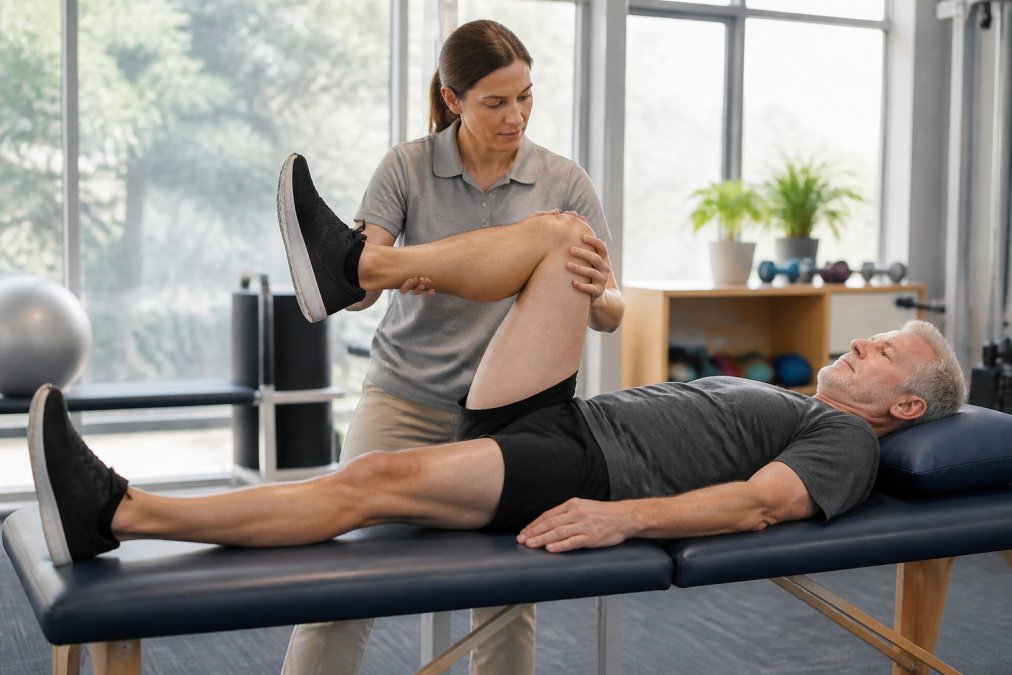
Activity modification, adjusting how you move, what activities you pursue, and how you pace yourself, is essential for managing osteoarthritis. Low-impact activities like swimming, water aerobics, and cycling are gentler on the knee than running or high-impact sports. However, activity modification often means giving up activities you enjoy and accepting a more limited lifestyle.
The critical limitation of all non-surgical approaches is this: they cannot restore cartilage that's already been lost or reverse bone-on-bone contact. When your joint damage reaches a certain threshold, severe cartilage loss, bone-on-bone contact, significant joint space narrowing, non-surgical treatments reach their limit. The joint doesn't heal. The damage doesn't reverse.
Surgical Complications and Recovery: How Delay Affects Your Outcomes
Delaying knee replacement surgery directly impacts your surgical experience and recovery. Patients who wait longer often face more complex procedures, higher complication risks, and longer rehabilitation periods.
Severe osteoarthritis affects surgical technique and implant positioning. When cartilage erosion is advanced and bone-on-bone contact is significant, surgeons must address more extensive damage. Bone loss may require augmentation or specialized implants. Joint deformity may necessitate more complex alignment corrections. These technical challenges increase operative time and complexity.
Muscle atrophy from prolonged immobility and pain avoidance complicates recovery. Patients who've limited their activity for years enter surgery with weakened quadriceps, hamstrings, and hip muscles, essential for post-operative rehabilitation. Atrophied muscles require longer to rebuild, extending recovery time and potentially limiting ultimate range of motion and strength.
Post-operative complications occur more frequently in patients with severe pre-operative osteoarthritis. Blood clots, infection risk, and delayed wound healing are more common. Stiffness occurs more frequently in patients with pre-operative joint stiffness and advanced degeneration. Cardiovascular strain during surgery and recovery is a consideration, particularly for older patients who've been sedentary for years. Deconditioning increases surgical risk and complicates rehabilitation.
Knee Replacement Recovery Timeline: What to Expect After Surgery
Understanding typical recovery expectations helps patients set realistic goals and maintain motivation during rehabilitation. Recovery timeline varies based on pre-operative condition, surgical complexity, and individual healing capacity. Patients who've delayed surgery often experience longer recovery periods.
Immediately after surgery (first 2 weeks), the focus is managing pain and swelling, protecting the surgical site, and beginning gentle motion. Most patients are discharged with crutches or a walker.
Weeks 2-6 involve progressive weight-bearing and range of motion work. Physical therapy becomes increasingly important. Most patients transition from crutches to a cane during this period. Range of motion goals include achieving 90 degrees of knee bending by 6 weeks.
Weeks 6-12 focus on strengthening and functional activities. Most patients can walk without assistive devices by 8-12 weeks. Physical therapy emphasizes quadriceps and hamstring strengthening, balance training, and functional activities like climbing stairs and getting in and out of a car.
Months 3-6 involve continued strengthening and return to more normal activities. By 3 months, most patients have achieved good range of motion and can walk reasonable distances without pain. By 6 months, many can return to recreational activities like golf, swimming, or light hiking.
Full recovery typically takes 12 months. While significant functional improvement occurs by 3-6 months, continued strengthening and adaptation continue for a full year. Patients who've delayed surgery often require longer rehabilitation due to severe pre-operative muscle atrophy and stiffness from prolonged immobility.
Making the Decision: Financial and Quality of Life Considerations
The decision to proceed with knee replacement surgery involves more than medical factors. Financial implications, quality of life considerations, and personal values all play important roles in timing.
Healthcare costs associated with prolonged delay accumulate. Ongoing physical therapy, medications, injections, imaging studies, and specialist visits add up over time. While these costs are often less than a single surgical procedure, cumulative expenses over years of conservative treatment can be substantial. Lost productivity from reduced work capacity represents a real economic cost.
Insurance coverage varies significantly. Understanding your coverage helps inform the financial calculus of delay versus surgery. Many patients find that total out-of-pocket costs of surgery are comparable to years of conservative treatment expenses.
Quality of life deterioration from prolonged delay is substantial. The ability to walk, travel, participate in activities with family, maintain independence, and engage in work or hobbies represents genuine quality of life. Years spent in pain with limited mobility exact a psychological and social toll. Social isolation often accompanies functional decline, contributing to depression, anxiety, and reduced life satisfaction. For many patients, the quality of life gained by having surgery, the ability to resume activities, travel, spend time with family without pain, outweighs the temporary disruption of surgery and recovery.
Age is a factor but not a barrier. Modern surgical techniques and anesthesia are safe even for octogenarians. The question isn't age but whether your quality of life is compromised enough to warrant surgery. The best decision comes from clear-eyed assessment of your current functional status, realistic expectations about what surgery can achieve, and honest evaluation of whether your quality of life is sufficiently compromised to justify surgical intervention.
Delaying knee replacement surgery has real consequences. While conservative treatment can effectively manage mild to moderate osteoarthritis, waiting too long allows joint damage to progress to a point where surgery becomes more complex, recovery takes longer, and outcomes may be compromised. At Alternative Health & Healing Center, we help patients explore all treatment options, including integrative approaches like physical therapy, therapeutic modalities, and pain management strategies, to determine the right timing for their individual situation. If you're struggling with knee pain and uncertain about your options, consult with an orthopedic specialist or schedule a consultation with our team to explore comprehensive approaches to knee health and mobility restoration. The goal is restoring your quality of life and function, whether that's through conservative care, surgery, or a combination of approaches tailored to your specific needs.
Frequently Asked Questions
How long can I safely postpone knee replacement surgery?
The timeline varies based on your pain level, functional ability, and the degree of joint degeneration. Some patients manage symptoms for months or years with non-surgical approaches, while others experience rapid functional decline. An orthopedic surgeon can assess your specific situation through imaging and clinical evaluation. Delaying too long increases the risk of compensatory injuries, muscle atrophy, and complications during eventual surgery. Discuss your individual timeline with a qualified orthopedic specialist.
What are the main risks of waiting too long for knee replacement?
Prolonged delay can lead to progressive cartilage erosion, bone-on-bone contact, joint deformity, and significant muscle weakness. You may develop compensatory pain in your hip or lower back, experience gait abnormalities that affect your walking pattern, and face increased surgical complications including higher infection risk and longer rehabilitation periods. Additionally, severe joint deterioration may complicate the surgical procedure itself and affect post-operative outcomes.
Can non-surgical knee pain management help me avoid surgery?
Non-surgical treatments including physical therapy, anti-inflammatory medications, joint injections, and lifestyle modifications can effectively manage symptoms for many patients, especially in earlier stages of osteoarthritis. However, their effectiveness diminishes as cartilage loss progresses and joint degeneration advances. If structural damage is severe or conservative treatments no longer provide relief, surgery may become necessary. The goal of non-surgical management is to maintain function and quality of life while preserving your option to delay surgery, not necessarily to avoid it indefinitely.
Does delaying knee replacement surgery make recovery harder?
Yes. Patients who delay surgery while experiencing severe joint degeneration often face more complex surgical procedures, longer rehabilitation timelines, and greater post-operative challenges. Muscle atrophy from reduced activity, joint stiffness, and compensatory injuries accumulated during the delay period can complicate physical therapy and slow functional recovery. Patients with significant pre-operative functional decline may require more intensive rehabilitation and experience slower progress toward normal mobility and strength.


