 how-to guide
How to Fix Chronic Muscle Tension: 7 Evidence-Based Methods
Table of Contents
- Understanding the Root Causes of Chronic Muscle Tension
- Step 1: Assess Your Workspace and Posture
- Step 2: Master Diaphragmatic Breathing and Relaxation Techniques
- Step 3: Perform Progressive Muscle Relaxation (PMR)
- Best Exercises for Chronic Muscle Tension Relief
- Natural Remedies and Self-Myofascial Release for Tension
- Professional Treatment Options: When and How to Fix Chronic Muscle Tension
- Common Mistakes to Avoid When Treating Muscle Tension
- Frequently Asked Questions
How to Fix Chronic Muscle Tension: 7 Evidence-Based Methods
Last Updated: July 17, 2026
Chronic muscle tension affects millions of people daily, limiting mobility and quality of life. The good news is that fixing chronic muscle tension doesn't require expensive treatments or invasive procedures. At Alternative Health & Healing Center, we've spent nearly 40 years helping patients identify root causes and implement practical solutions that deliver lasting relief.
Understanding the Root Causes of Chronic Muscle Tension
Chronic muscle tension develops from physical and psychological factors that compound over time. Understanding what's driving your tension is the first step toward effective relief.
Stress-Induced Tension and the Nervous System
When you experience stress, your body activates the fight-or-flight response, triggering muscle contraction as a protective mechanism. Over weeks and months, this chronic activation creates persistent muscle tension that becomes your body's default state.
The vagus nerve plays a critical role in this process. This major nerve runs from your brain through your chest and abdomen, controlling your parasympathetic nervous system, the system responsible for relaxation and recovery. When stress keeps your sympathetic nervous system activated, your vagus nerve doesn't signal relaxation, and your muscles remain tight.
Postural and Ergonomic Factors
Poor positioning at your desk, forward head posture from phone use, or prolonged sitting create repetitive stress on specific muscle groups. These muscles work overtime to stabilize your spine, leading to fatigue and chronic tightness. Poor posture also restricts blood flow to affected muscles, reducing oxygen delivery and nutrient supply.
Step 1: Assess Your Workspace and Posture
Your monitor should be at eye level when sitting upright. Your elbows should be at 90 degrees when your arms rest on your desk, and your feet should be flat on the floor with your hips at 90 degrees. Hold your phone at eye level or use a stand so your neck stays neutral. Invest in adjustable furniture if possible.
Step 2: Master Diaphragmatic Breathing and Relaxation Techniques
Your breathing pattern directly influences your nervous system state. Most people with chronic tension breathe shallowly from their chest, which keeps their sympathetic nervous system activated. Diaphragmatic breathing, breathing deeply from your belly, signals your body that it's safe to relax.
Sit upright or lie on your back with your knees bent. Breathe in slowly through your nose for a count of 4, allowing your belly to expand while your chest stays relatively still. Hold for a count of 4. Exhale slowly through your mouth for a count of 4. Repeat for 5-10 minutes. With consistent practice, this becomes your default breathing pattern, and your baseline tension decreases.

Progressive muscle relaxation (PMR) pairs well with diaphragmatic breathing. This technique involves systematically tensing and releasing muscle groups throughout your body, training your nervous system to recognize the difference between tension and relaxation. Research from the American Psychological Association indicates that regular PMR practice reduces cortisol levels and decreases overall muscle tension.
Step 3: Perform Progressive Muscle Relaxation (PMR)
Progressive muscle relaxation works because it teaches your nervous system the difference between tension and relaxation. Most people with chronic tension have lost this distinction, their muscles are so habitually tight that they don't recognize the tension as abnormal.
Tense a muscle group for 5-7 seconds with about 75% of your maximum effort, then release completely and rest for 20-30 seconds. During the rest period, focus on the sensation of relaxation. Work through your body systematically: feet and toes, calves, thighs, glutes, abdomen, chest, back, hands and forearms, biceps and upper arms, shoulders, neck, and jaw and face. Perform this sequence 3-4 times per week for best results. Most people notice decreased baseline tension within 2-3 weeks of consistent practice.
| Exercise | Duration | Frequency | Best For |
|---|---|---|---|
| Diaphragmatic breathing | 5-10 minutes | Daily | Nervous system regulation |
| Progressive muscle relaxation | 15 minutes | 3-4x weekly | Tension awareness and release |
| Gentle stretching | 10-15 minutes | Daily | Range of motion maintenance |
| Deep breathing before bed | 5 minutes | Nightly | Sleep quality improvement |
Best Exercises for Chronic Muscle Tension Relief
Exercise is essential for managing chronic muscle tension, but the wrong type can make tension worse. Focus on low-impact, movement-based exercises that promote relaxation while maintaining strength.
Gentle Stretching and Range of Motion
Static stretching, holding a stretch for 30 seconds, is your primary tool for addressing muscle stiffness. Consistency and proper technique are key. Perform these stretches daily, holding each for 30 seconds and repeating 2-3 times. The best time to stretch is after light activity when your muscles are warm.
Neck stretches address one of the most common tension sites. Sit upright and slowly tilt your head toward your right shoulder, feeling a stretch on the left side of your neck. Hold for 30 seconds, then repeat on the other side.
Shoulder stretches target the upper trapezius muscle, which tightens from desk work and stress. Cross your right arm over your body at chest height, then use your left hand to gently pull your right elbow toward your chest. Hold for 30 seconds. Repeat on the other side.
Low-Impact Movement Patterns
Walking is one of the most underrated treatments for chronic muscle tension. A 20-30 minute walk activates your parasympathetic nervous system, increases blood flow to tense muscles, and provides gentle movement that promotes relaxation without creating additional stress.
Yoga combines stretching, breathing, and nervous system regulation in one practice. Gentle yoga styles like Hatha or Yin yoga are particularly effective for tension relief. Swimming provides full-body, low-impact movement that strengthens muscles while reducing joint stress. Aim for 20-30 minutes, 2-3 times per week.
Natural Remedies and Self-Myofascial Release for Tension
Beyond stretching and exercise, several natural approaches address the underlying causes of chronic muscle tension.
Heat and Cold Therapy Applications
Heat therapy increases blood flow to tense muscles, delivering oxygen and nutrients that promote relaxation and healing. Apply heat for 15-20 minutes using a heating pad, hot water bottle, or warm bath. Cold therapy reduces inflammation and numbs pain signals, making it useful for acute muscle tension. Apply ice for 10-15 minutes using an ice pack wrapped in a towel.
Contrast therapy, alternating between heat and cold, can be particularly effective. Apply heat for 3 minutes, then cold for 1 minute, repeating 3-4 times and ending with heat.
Trigger Point Release and Soft Tissue Techniques
Trigger points are localized areas of muscle tension that refer pain to other parts of your body. Releasing these trigger points often provides rapid relief from referred pain.
Self-myofascial release uses tools like foam rollers, lacrosse balls, or massage sticks to apply sustained pressure to trigger points. Find a tight spot in your muscle, apply pressure with your tool, and hold for 30-60 seconds while breathing deeply. A lacrosse ball works well for precise trigger point work. Place the ball against a wall, position your tight muscle over it, and lean into the ball. Hold for 30-60 seconds.
Foam rolling addresses larger muscle groups. Roll slowly over the muscle, pausing when you find tender spots. Spend 30-60 seconds on each tender area. Roll for 1-2 minutes per muscle group, 3-4 times per week.
Professional Treatment Options: When and How to Fix Chronic Muscle Tension
While self-care strategies address many cases of chronic muscle tension, some situations benefit from professional intervention.
Physical Therapy and Joint Mobilization
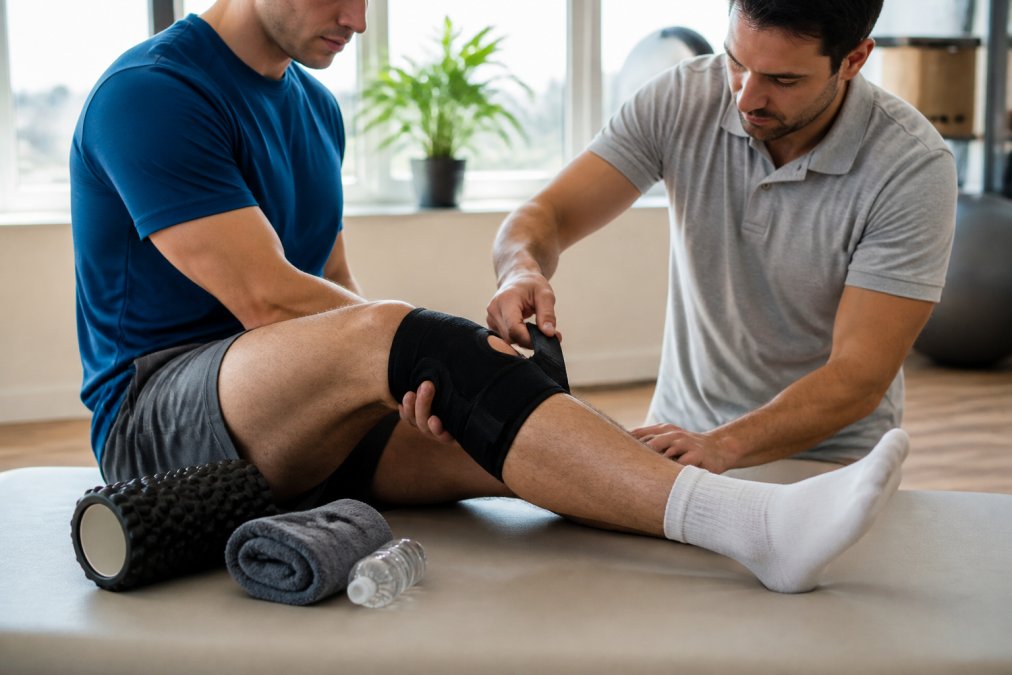
Physical therapists are trained to identify movement dysfunctions that create or perpetuate muscle tension. They assess your posture, movement patterns, and muscle activation, then design specific exercises to correct imbalances. Physical therapy often includes joint mobilization, skilled manual techniques that improve joint mobility and reduce compensatory muscle tension.
Myofascial release is another physical therapy technique where therapists apply sustained pressure to fascia, the connective tissue surrounding muscles. According to research from the American Physical Therapy Association, patients receiving physical therapy for myofascial pain syndrome experience significant improvement in range of motion and pain reduction within 6-8 weeks.
Therapeutic Massage and Advanced Modalities
Therapeutic massage addresses muscle tension through manual manipulation. Swedish massage promotes relaxation and general tension relief. Deep tissue massage targets chronic tension in deeper muscle layers. A qualified massage therapist can identify trigger points and apply sustained pressure to release them. Regular massage, weekly or biweekly, provides cumulative benefits for chronic tension.
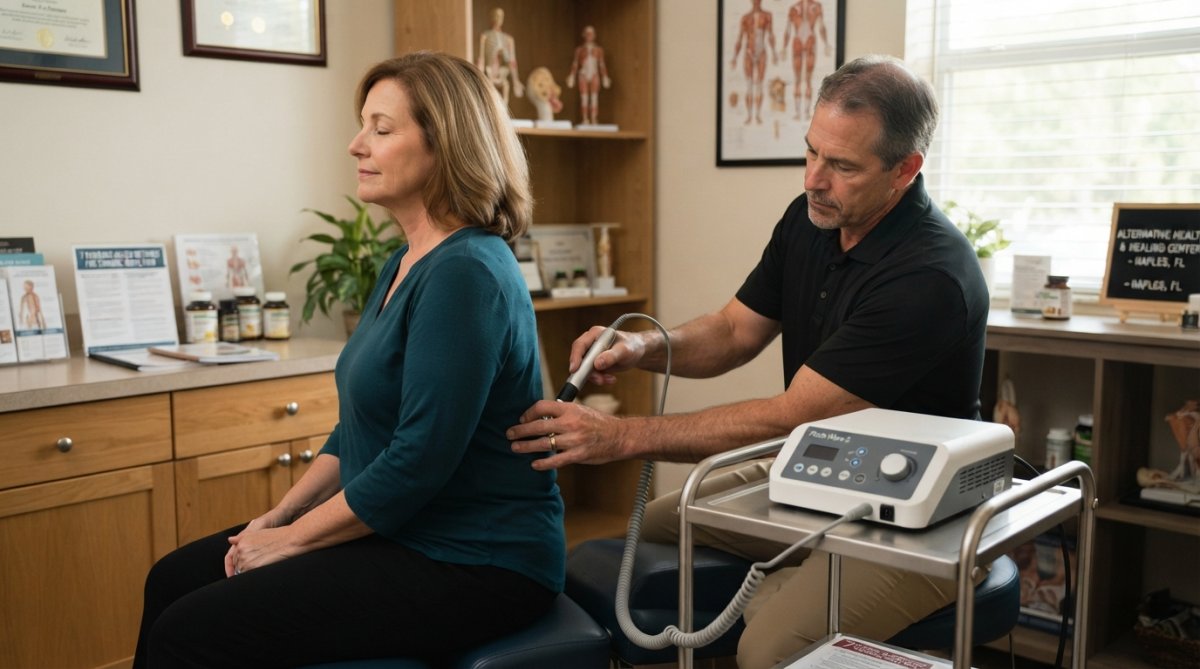
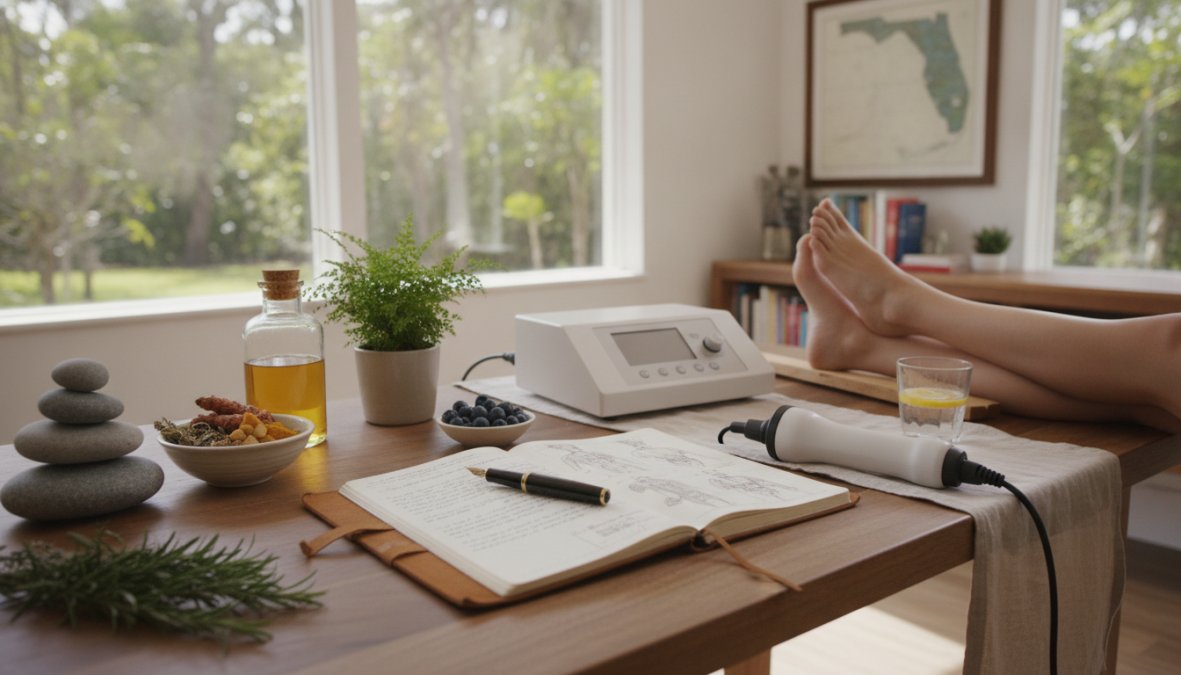
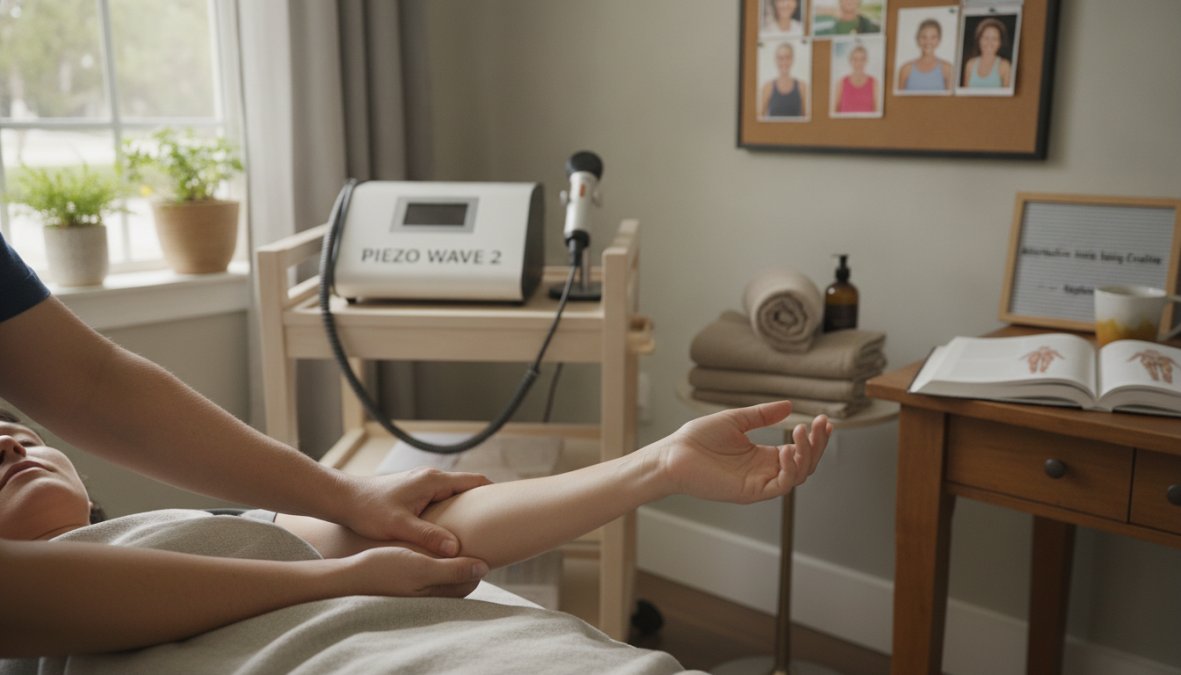
Advanced modalities like acoustic wave therapy use sound waves to break up scar tissue and promote healing in chronically tense muscles. Applied Kinesiology identifies muscle imbalances through specific manual tests, then corrects them through targeted treatment. Alternative Health & Healing Center specializes in Applied Kinesiology, using this method to identify the root causes of tension patterns and address them systematically.
Common Mistakes to Avoid When Treating Muscle Tension
Overstretching is a common mistake. Aggressive stretching can create micro-tears in muscle fibers and trigger protective muscle tightening. Gentle, sustained stretching is far more effective.
Ignoring the nervous system component is another critical mistake. You can stretch, massage, and exercise all day, but if your nervous system stays in a threat-detection state, tension will return. Addressing stress, practicing relaxation breathing, and improving sleep quality are essential.
Relying solely on stretching without strengthening creates imbalances. Chronically tight muscles often coexist with weak muscles. A comprehensive approach includes both stretching and targeted strengthening.
Inconsistency undermines progress. Chronic tension developed over months or years. Consistent practice over weeks and months produces lasting results. Not addressing postural and ergonomic factors means you're treating the symptom while the cause continues.
Chronic muscle tension is highly treatable when you address the underlying causes. The seven methods covered here, workspace assessment, diaphragmatic breathing, progressive muscle relaxation, gentle exercise, natural remedies, self-myofascial release, and professional treatment, work together to create lasting relief.
If you've tried self-care strategies without adequate improvement, professional evaluation can identify specific dysfunction patterns and accelerate your recovery. The team at Alternative Health & Healing Center combines nearly 40 years of clinical experience with specialization in Applied Kinesiology to address chronic muscle tension at its source. Request an appointment today to begin your journey toward lasting freedom from chronic muscle tension.
Frequently Asked Questions
What causes chronic muscle tension?
Chronic muscle tension develops from multiple factors: prolonged stress elevates cortisol levels and activates the nervous system, poor posture and ergonomics create sustained strain on soft tissue, repetitive movements cause myofascial pain syndrome, and insufficient recovery prevents muscle fatigue from resolving. The psychosomatic connection means emotional stress directly manifests as physical muscle tightness. Identifying your primary cause, whether stress-induced, postural, or activity-based, is essential for effective treatment.
How can I release muscle tension naturally using self-myofascial release?
Self-myofascial release targets trigger points and muscle knots by applying sustained pressure to tight areas. Use foam rollers, massage balls, or your hands to apply gentle pressure for 30-90 seconds on tender spots. Focus on major muscle groups: calves, quadriceps, hip flexors, and upper back. Combine this with heat therapy (warm compress or hot shower) to relax tissue before release work. Progress slowly, aggressive pressure can increase inflammation. Perform 3-4 times weekly for best results managing chronic muscle tension.
What exercises help most with chronic muscle tension?
Gentle stretching routines and low-impact movement are most effective for chronic muscle tension. Include static stretches held 30 seconds (hamstrings, hip flexors, chest, neck), diaphragmatic breathing exercises to regulate your nervous system, and progressive muscle relaxation (PMR) to build body awareness. Avoid aggressive stretching or high-intensity exercise during acute flare-ups. Consistency matters more than intensity, daily gentle movement outperforms occasional intense sessions. Combine exercise with heat therapy and ergonomic corrections for comprehensive symptom relief.
When should I see a doctor for muscle tension that won't go away?
Seek professional evaluation if chronic muscle tension persists beyond 6 weeks despite self-care, causes significant functional limitation, is accompanied by neurological symptoms (numbness, tingling, weakness), follows an injury, or disrupts sleep and daily activities. A clinical diagnosis from a healthcare provider can rule out underlying conditions like myofascial pain syndrome, nerve compression, or inflammatory disorders. Physical therapy and specialized treatments like joint mobilization or advanced modalities may be necessary for lasting relief when conservative home approaches plateau.