 how-to guide
How to Restore Body Function Naturally: 7 Evidence-Based Steps
Table of Contents
- How to Restore Body Function Naturally: A Holistic Framework
- Step 1: Optimize Sleep Hygiene and Circadian Rhythm Alignment
- Step 2: Lifestyle Changes for Body Function Restoration
- Step 3: Natural Remedies for Organ Function
- Step 4: Mind-Body Connection Healing and Nervous System Restoration
- Step 5: Cellular Health Restoration Through Microbiome Optimization
- Step 6: Post-Illness Recovery Protocols and Age-Specific Restoration
- Common Mistakes When Attempting to Restore Body Function Naturally
- Frequently Asked Questions
Last Updated: July 21, 2026
How to Restore Body Function Naturally: A Holistic Framework
Your body operates as an interconnected system, when one area suffers, others follow. True restoration goes beyond treating isolated symptoms. Research shows that individuals who adopt comprehensive lifestyle approaches experience significantly faster recovery times than those relying on single interventions alone.
Restoring body function naturally involves six interconnected pillars: optimizing sleep patterns, making strategic lifestyle changes, supporting organ function through nutrition, healing the mind-body connection, enhancing cellular health through microbiome work, and following structured post-illness recovery protocols. Each pillar builds on the others, creating a foundation for genuine, lasting restoration.
Step 1: Optimize Sleep Hygiene and Circadian Rhythm Alignment
Why Sleep Powers Cellular Repair and Immune Response
Sleep is where your body performs its most critical maintenance work. During deep sleep phases, your immune cells regenerate, inflammation reduces, and cellular repair accelerates. Your circadian rhythm, the internal clock governing sleep-wake cycles, directly influences immune response, metabolic health, and stress hormone regulation. When disrupted, cortisol remains elevated, preventing the parasympathetic nervous system from triggering deep recovery.
Practical Sleep Restoration Techniques
Create an environment supporting deep sleep: room temperature between 60-67°F, complete darkness, and no phones or screens at least 90 minutes before bed. Blue light actively delays your circadian rhythm by 30-90 minutes.
Establish a wind-down protocol. Dim lights two hours before bed and practice deep breathing: inhale for four counts, hold for four, exhale for six. This activates the parasympathetic nervous system and lowers cortisol.
Avoid caffeine after 2 PM. Caffeine has a five-hour half-life, meaning 25% remains active at midnight after a 4 PM coffee. Track your sleep quality using basic metrics: time asleep, awakenings, and how you feel upon waking. After two weeks, patterns emerge showing what practices improve your sleep.
Step 2: Lifestyle Changes for Body Function Restoration
Physical Activity and Circulatory Efficiency
Regular physical activity increases circulatory efficiency, delivering oxygen and nutrients to tissues more effectively. This directly supports cellular repair, immune response, and metabolic health.
A 30-minute walk five days per week produces better results than sporadic intense workouts. Walking increases blood flow without excessive oxidative stress. For those recovering from illness, start conservatively with 15-minute walks daily for two weeks, then increase to 20 minutes. Pain signals feedback; exhaustion lasting more than two hours after exercise indicates overdoing it.
Strength training becomes important after establishing a movement baseline. Two 20-minute sessions per week, focusing on compound movements (squats, push-ups, rows), provide substantial benefits without requiring gym equipment.
Stress Management and Cortisol Regulation
Chronic stress keeps cortisol elevated, suppressing immune response and promoting inflammation. Restoring body function requires deliberately lowering stress hormone levels.
Five minutes of focused breathing, where you count breaths and gently redirect attention when your mind wanders, produces measurable cortisol reduction. Nature exposure reduces cortisol within 20 minutes. Progressive muscle relaxation, systematically tensing and releasing muscle groups from toes to head, teaches your body what relaxation feels like and improves sleep quality.
Step 3: Natural Remedies for Organ Function
Nutrient-Dense Foods and Antioxidant Support
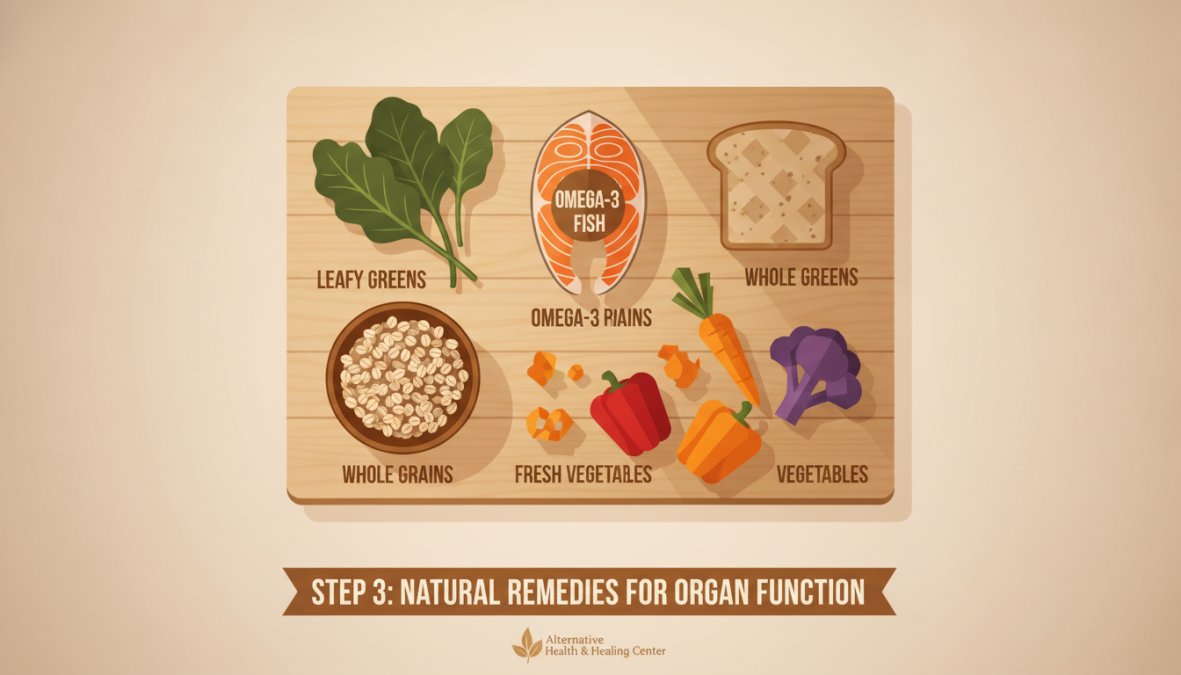
Your organs require specific micronutrients to function optimally. Leafy greens (spinach, kale, arugula) contain folate, iron, and compounds that reduce oxidative stress. Fatty fish rich in omega-3 fatty acids (salmon, sardines, mackerel) reduce inflammation throughout your body; three servings weekly provides measurable benefit.
Whole grains (oats, brown rice, quinoa) provide sustained energy and feed beneficial bacteria in your gut microbiome. Colorful vegetables, orange carrots, red peppers, purple cabbage, contain different antioxidant compounds. Orange foods provide beta-carotene, red foods contain lycopene, and purple foods contain anthocyanins. Eating variety ensures broad antioxidant support.
Fermented foods (yogurt, kefir, sauerkraut, kimchi) introduce beneficial bacteria that support gut health, improve nutrient absorption, and strengthen the gut-brain axis. Start with small amounts if your digestive system is sensitive; gradually increase as tolerance improves.
Hydration and Metabolic Health
Dehydration impairs every physiological process. Your blood thickens, circulation becomes less efficient, and cognitive function declines. Drink half your body weight in ounces daily, then add 16 ounces for every 30 minutes of exercise. A 160-pound person needs roughly 80 ounces minimum.
Filtered water removes chlorine and contaminants. Herbal teas count toward hydration and offer additional benefits: green tea provides antioxidants, ginger tea reduces inflammation, and turmeric tea supports joint health.
| Hydration Marker | Healthy Status | Action Needed |
|---|---|---|
| Urine color | Pale yellow | Drink more water |
| Thirst | Minimal | You're hydrating well |
| Energy levels | Stable throughout day | Check hydration first |
| Joint flexibility | Full range of motion | Increase water intake |
| Skin elasticity | Bounces back quickly | Adequate hydration |
Step 4: Mind-Body Connection Healing and Nervous System Restoration
Your nervous system operates in two primary modes: sympathetic (fight-or-flight) and parasympathetic (rest-and-digest). Chronic stress keeps you locked in sympathetic mode, preventing deep restoration.
Yoga combines movement with breath awareness, signaling safety to your nervous system. Tai chi emphasizes slow, flowing movements that calm the mind while building strength. Box breathing, inhale for four counts, hold for four, exhale for four, hold for four, works within minutes. Extended exhales activate the parasympathetic nervous system more effectively than inhales.
Journaling creates space for processing emotions and stress. Writing about worries externalizes them, reducing their mental burden. Research shows expressive writing improves immune function and reduces inflammation markers.
The gut-brain axis connects your digestive system directly to your nervous system. When stressed, digestion suffers. When practicing calming techniques, digestion improves. This bidirectional relationship means healing your nervous system directly supports gut health and microbiome optimization.
Step 5: Cellular Health Restoration Through Microbiome Optimization
Probiotics, Gut Health, and the Gut-Brain Axis
Your gut microbiome influences far more than digestion. These trillions of bacteria produce neurotransmitters, regulate immune response, control inflammation, and influence mood and cognitive function through the gut-brain axis.
A healthy microbiome contains diverse bacterial species. Diversity correlates directly with immune strength and disease resistance. Modern diets high in processed foods destroy this diversity. Restoring microbiome health requires removing harmful foods and adding beneficial bacteria.
Processed foods, sugar, refined grains, and seed oils promote dysbiosis. Simultaneously, introduce prebiotic foods (fiber that feeds beneficial bacteria) and probiotic foods (live beneficial bacteria). Fermented foods like sauerkraut, kimchi, miso, and tempeh contain naturally occurring probiotics. Eat fermented foods daily, increase vegetable intake to 8-10 servings daily, and your microbiome will shift toward beneficial species within 4-6 weeks.
Beneficial bacteria train your immune cells, teaching them to distinguish between pathogens and harmless substances. A healthy microbiome reduces inflammation markers, improves nutrient absorption, and strengthens the intestinal barrier that prevents "leaky gut."
Step 6: Post-Illness Recovery Protocols and Age-Specific Restoration
Recovery Time and Biometric Tracking
Post-illness recovery follows predictable phases: acute (first 1-2 weeks) focuses on rest and basic nutrition; recovery (weeks 2-6) gradually reintroduces activity; restoration (weeks 6+) rebuilds strength and function.
Many people return to normal activity too quickly, triggering setbacks. A practical rule: if you were ill for two weeks, expect four weeks of gradual recovery. If ill for four weeks, expect eight weeks.
Track objective markers rather than relying on how you feel. Resting heart rate indicates cardiovascular recovery. Heart rate variability indicates nervous system recovery. Sleep quality often improves before other changes. Energy levels typically lag other recovery markers by 2-3 weeks.
Age-specific considerations matter significantly. Younger individuals typically recover faster but sometimes push too hard too soon. Older individuals recover more slowly but benefit substantially from consistent, moderate activity. Women's hormonal cycles influence recovery, post-ovulation is optimal for strength training, pre-ovulation is ideal for introducing new exercises.
Track sleep hours, resting heart rate (measured upon waking), energy level (1-10 scale), and digestion quality in a simple notebook. After two weeks, patterns emerge showing what activities, foods, or practices accelerate your recovery.
Common Mistakes When Attempting to Restore Body Function Naturally
The most frequent mistake is attempting too many changes simultaneously. Your body adapts gradually. Starting with sleep optimization, waiting two weeks until stable, then adding movement, then adjusting diet produces better results than overhauling everything at once.
Another common error is inconsistency. A moderate practice maintained for three months outperforms an intense practice maintained for three weeks. People often underestimate sleep's importance, spending hundreds on supplements while sleeping five hours nightly. Sleep is the foundation.
Ignoring individual variation is another pitfall. What works for someone else might not work for you. Track your own response to interventions rather than blindly following generic advice. Many people also neglect the mind-body connection, treating restoration as purely physical. Chronic stress and nervous system dysregulation actively prevent physical healing.
Finally, expecting linear progress creates frustration. Recovery follows improvement, plateaus, and sometimes temporary setbacks. Plateaus are normal and necessary, your body consolidates gains during plateaus. Patience and consistency matter more than intensity.
According to research from Johns Hopkins Medicine on recovery protocols, individuals who follow structured recovery timelines and track objective markers recover 30-40% faster than those using intuition alone.
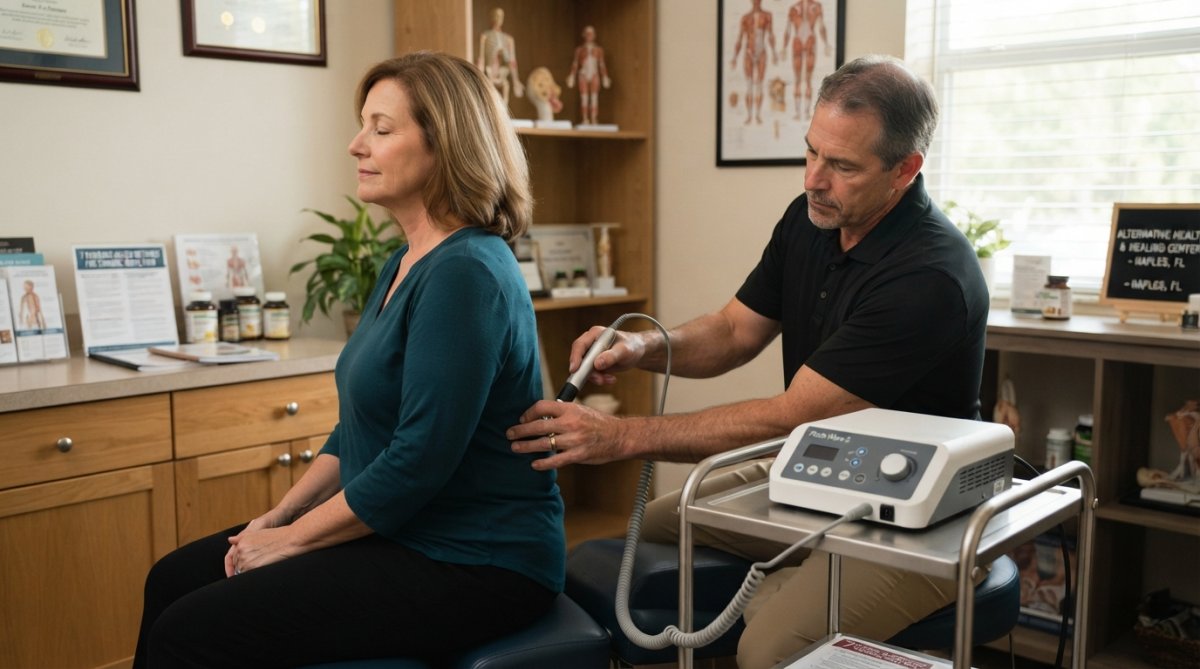
Restoring body function naturally is achievable through understanding that your body operates as an integrated system. At Alternative Health & Healing Center in Naples, Florida, our nearly 40 years of clinical experience show that comprehensive approaches combining sleep optimization, lifestyle changes, nutritional support, nervous system healing, and microbiome restoration produce lasting results. Our team, led by Dr. Paul F. Finucan with expertise in Applied Kinesiology and advanced therapeutic modalities including Piezo Wave 2 technology, helps patients move beyond symptom management toward genuine functional restoration. Request an appointment with Alternative Health & Healing Center today to begin your personalized restoration journey.
Frequently Asked Questions
How long does it take to restore body function naturally?
Recovery time varies based on your baseline health, age, and the severity of depletion. Most people notice improved energy and immune response within 2-4 weeks of consistent lifestyle changes. However, cellular repair and metabolic health restoration typically require 8-12 weeks of adherence to all seven steps. Post-illness recovery protocols may take longer depending on the condition. Biometric tracking can help you monitor progress objectively.
What natural remedies for organ function work best?
The most effective natural remedies combine nutrient-dense foods (leafy greens, omega-3 fatty acids, whole grains), probiotics for gut health, adequate hydration, and stress management. These address inflammation reduction and oxidative stress simultaneously. Antioxidants from whole foods support cellular repair better than supplements alone. Consistency matters more than any single remedy, a holistic approach targeting immune cells, microbiome, and homeostasis produces faster results than isolated interventions.
Can mind-body connection healing actually help restore body function?
Yes. The gut-brain axis and the mind-body connection directly influence immune response, cortisol regulation, and inflammation reduction. Stress management techniques reduce chronic inflammation, which impairs cellular repair and metabolic health. Practices that calm the nervous system improve sleep quality, enhance circulatory efficiency, and support recovery time. Combining meditation or breathwork with physical activity amplifies the restoration of homeostasis and overall vitality.
What should I do if natural restoration isn't working after several weeks?
If you've consistently followed all seven steps for 8+ weeks without improvement, seek professional evaluation. Some conditions, such as pinched nerves, severe musculoskeletal dysfunction, or systemic issues, benefit from integrative approaches combining lifestyle counseling with non-invasive therapies like Applied Kinesiology, cold laser, or acoustic wave treatment. A qualified practitioner can identify barriers to healing and tailor recovery protocols to your age and specific condition, preventing the need for invasive procedures.