 how-to guide
How to Relieve Chronic Nerve Pain Naturally: 7 Evidence-Based Methods
Table of Contents
- Understanding Chronic Nerve Pain and Natural Relief Options
- Anti-Inflammatory Diet for Nerve Pain Relief
- Supplements for Nerve Pain: Safety and Evidence
- Gentle Exercises for Nerve Pain Relief at Home
- Nerve Pain Relief at Home: Topical Treatments and Therapies
- Sleep Hygiene and Stress Management for Chronic Nerve Pain
- Posture, Ergonomics, and Lifestyle Modifications
- When to Seek Professional Help: Advanced Treatment Options
- Frequently Asked Questions
How to Relieve Chronic Nerve Pain Naturally: 7 Evidence-Based Methods
Last Updated: July 28, 2026
Chronic nerve pain affects millions of Americans, and many seek solutions beyond prescription medications. This guide explains how to relieve chronic nerve pain naturally using evidence-based approaches. At Alternative Health & Healing Center in Naples, Florida, we've spent nearly 40 years helping patients address neuropathic pain through integrative care combining dietary changes, targeted exercises, stress management, and advanced therapeutic modalities.
Chronic nerve pain, also called neuropathic pain or peripheral neuropathy, doesn't respond equally to all treatments. A multi-faceted approach tends to deliver the best results. Below are seven methods you can implement today, along with guidance on when professional support becomes necessary.
Understanding Chronic Nerve Pain and Natural Relief Options
Chronic nerve pain occurs when damaged nerves send incorrect pain signals to the brain, even without active injury. This type of pain feels like burning, tingling, numbness, or electric shocks and can persist for months or years. Causes vary widely: diabetes, vitamin deficiencies, infections, repetitive stress, poor posture, or trauma can all trigger nerve damage.
Natural approaches work because they address root causes rather than just masking symptoms. When you reduce inflammation, improve blood circulation, manage stress, and support nerve regeneration through diet and lifestyle, your body has the chance to heal itself.
Anti-Inflammatory Diet for Nerve Pain Relief
What you eat directly affects inflammation levels throughout your body, including in damaged nerves. An anti-inflammatory diet focuses on whole foods rich in antioxidants and omega-3 fatty acids while eliminating inflammatory triggers.
Key Foods and Nutrients to Include
Omega-3 fatty acids reduce chronic inflammation and support nerve regeneration. Fatty fish like salmon, mackerel, and sardines contain high levels of EPA and DHA. If you don't eat fish, flaxseeds, chia seeds, and walnuts provide plant-based alternatives.
Berries, particularly blueberries, raspberries, and blackberries, contain anthocyanins that protect nerves from oxidative stress. A handful daily provides measurable benefits. Leafy greens like spinach and kale offer antioxidant protection along with magnesium, which supports nerve function and reduces pain signaling.
Ginger root reduces inflammation, and modern research supports this traditional use. Fresh ginger in tea or cooking helps reduce neuropathic pain when consumed consistently. Turmeric contains curcumin, a potent anti-inflammatory compound that protects nerve tissue directly.
Nuts, seeds, and whole grains provide vitamin E and support blood sugar regulation, critical because blood sugar spikes trigger inflammation and worsen nerve pain.
:::pro Most people see measurable improvement in nerve pain within 3-4 weeks of consistently following an anti-inflammatory diet. Aim for 80% compliance rather than waiting for perfection. :::
Foods to Limit or Avoid
Refined carbohydrates and added sugars trigger blood sugar spikes that increase inflammation and worsen neuropathic pain. Vegetable oils high in omega-6 fatty acids, particularly soybean, corn, and canola oil, promote inflammation when consumed in excess. Switch to olive oil, coconut oil, or avocado oil.
Processed meats contain advanced glycation end products (AGEs) that accelerate nerve damage. Alcohol increases nerve pain severity and depletes B vitamins critical for nerve function.
Supplements for Nerve Pain: Safety and Evidence
Many supplements show promise for nerve pain relief, but quality, dosage, and interactions matter significantly. Professional guidance is valuable, as not all supplements work for all people.
Evidence-Based Supplement Options
Alpha-lipoic acid (ALA) is one of the most researched supplements for neuropathic pain. Studies suggest 600-1,800 mg daily in divided doses shows benefit for diabetic neuropathy. Results typically appear after 3-6 weeks.
B vitamins, particularly B6, B12, and folate, are essential for nerve health. Vitamin B12 deficiency directly causes nerve pain. Methylcobalamin (the most absorbable B12 form) at 1,000-2,000 mcg daily addresses this gap.
Magnesium supports nerve function and reduces pain signaling. Magnesium glycinate is the most absorbable form for nerve pain at 300-500 mg daily.
Acetyl-L-carnitine (ALCAR) supports mitochondrial function in nerve cells. Typical dosing is 1,500-3,000 mg daily in divided doses, with results appearing after 8-12 weeks.
Benfotiamine, a fat-soluble form of B1, crosses the blood-brain barrier more effectively than standard thiamine. Typical dosing is 150-300 mg daily.
Safety Considerations and Drug Interactions
Before starting any supplement, inform your healthcare provider, particularly if you take blood thinners, diabetes medications, or blood pressure drugs. Alpha-lipoic acid can lower blood sugar, requiring medication adjustment. Quality varies dramatically between brands, look for third-party testing (NSF, USP, or ConsumerLab certification).
Gentle Exercises for Nerve Pain Relief at Home
Movement reduces nerve pain, but high-impact exercise can worsen it. The goal is consistent, low-intensity activity that improves circulation and reduces inflammation.

Low-Impact Movement Strategies
Walking is the most accessible exercise for nerve pain relief. Start with 10-15 minute walks at a comfortable pace, gradually increasing to 30 minutes most days weekly. Walking improves circulation to damaged nerves and reduces inflammation.
Swimming and water aerobics are excellent choices because water supports your body weight while providing resistance. Even 20-30 minutes twice weekly shows measurable benefits.
Tai chi combines gentle movement, balance training, and stress reduction. Many studies show tai chi reduces neuropathic pain and improves balance.
Cycling on a stationary bike allows you to control intensity precisely. Start with 15-20 minute sessions at low resistance, gradually increasing as tolerated.
Stretching Routines for Nerve Compression Relief
Nerve compression, where tight muscles squeeze nerves, amplifies pain signals. Hold each stretch for 20-30 seconds, never bouncing, and repeat 2-3 times daily.
Hamstring stretches address sciatic nerve compression. Sit on the floor with one leg extended, gently lean forward until you feel a stretch behind your thigh.
Calf stretches reduce pressure on the tibial nerve. Stand facing a wall, step one foot back, and gently lean forward, keeping your heel on the ground.
Piriformis stretches target deep hip muscles that compress the sciatic nerve. Lie on your back, pull one knee toward your opposite shoulder, and hold.
Neck and shoulder stretches address upper body nerve compression. Gently tilt your head toward each shoulder, holding for 20-30 seconds.
Nerve Pain Relief at Home: Topical Treatments and Therapies
What you apply to your skin can significantly reduce nerve pain without systemic effects.
Heat and Cold Therapy Applications
Heat therapy increases blood flow to damaged nerves. Apply heat for 15-20 minutes using a heating pad, warm bath, or heat wrap. Cold therapy numbs pain signals and reduces inflammation, apply ice for 10-15 minutes.
Contrast therapy (alternating heat and cold) improves circulation more effectively than either alone. Start with 3 minutes of heat, switch to 1 minute of cold, and repeat 3-4 times, ending with cold.
Essential Oils and Massage for Neuropathic Pain
Lavender oil reduces pain perception and promotes relaxation. Mix 10-15 drops with a carrier oil like coconut oil and massage into affected areas.
Geranium oil has analgesic and anti-inflammatory properties. Use 8-10 drops mixed with 2 tablespoons of carrier oil.
Massage therapy reduces muscle tension that compresses nerves and improves circulation. Self-massage using gentle, circular motions for 5-10 minutes daily provides measurable relief.
Topical capsaicin cream (derived from chili peppers) desensitizes nerve endings. Apply 3-4 times daily for 2-3 weeks before benefits appear.
Sleep Hygiene and Stress Management for Chronic Nerve Pain
Sleep and stress directly affect pain perception. Poor sleep increases pain sensitivity, while chronic stress amplifies pain signals. Addressing both is essential for lasting relief.
Sleep Strategies to Reduce Pain Flare-Ups
Establish a consistent sleep schedule by going to bed and waking at the same time daily. Most people need 7-9 hours for optimal nerve pain management.
Create a cool, dark sleeping environment. Keep your bedroom temperature between 60-67 degrees Fahrenheit. Avoid screens 1-2 hours before bed, as blue light suppresses melatonin.
Position yourself to minimize nerve compression. If you have leg pain, sleep with a pillow between your knees to reduce sciatic nerve pressure.
Limit caffeine after 2 PM and alcohol close to bedtime. Both disrupt sleep and worsen nerve pain.
Meditation and Deep Breathing Techniques
Deep breathing activates your parasympathetic nervous system, counteracting the stress response that amplifies pain. Practice the 4-7-8 technique: breathe in for 4 counts, hold for 7 counts, exhale for 8 counts. Repeat 4-5 times, 2-3 times daily.
Meditation reduces pain perception by changing how your brain processes pain signals. Even 10 minutes daily shows measurable benefits.
Progressive muscle relaxation reduces muscle tension that compresses nerves. Systematically tense and release each muscle group from your toes to your head in 15-20 minutes.
Mindfulness practice teaches you to observe pain without resisting it, which reduces pain intensity. Research shows this approach reduces chronic pain by 20-40% when practiced consistently.
Posture, Ergonomics, and Lifestyle Modifications
How you sit, stand, and move throughout your day either compresses or decompresses your nerves. Poor ergonomics and posture are among the most overlooked causes of chronic nerve pain.
Adjust your workspace so your monitor is at eye level, your elbows at 90 degrees, and your feet flat on the floor. Your chair should support the natural curve of your spine. This single change eliminates nerve pain for many people.
Take frequent breaks from repetitive activities. If your work involves typing, gripping, or fine motor tasks, take a 5-minute break every hour to stretch and move differently.
Maintain proper standing posture by keeping your shoulders relaxed, your spine neutral, and your weight distributed evenly. Avoid prolonged sitting, which compresses the sciatic nerve. Stand and move for 5 minutes every 30-60 minutes.
Wear supportive shoes that maintain proper foot alignment. Avoid high heels and overly flexible shoes. Stay hydrated throughout the day, aim for half your body weight in ounces of water daily.
When to Seek Professional Help: Advanced Treatment Options
While home-based strategies work for many people, some cases require professional intervention. If your nerve pain worsens despite consistent home treatment efforts, or if it's accompanied by weakness, loss of bladder or bowel control, or spreading numbness, seek medical evaluation immediately.
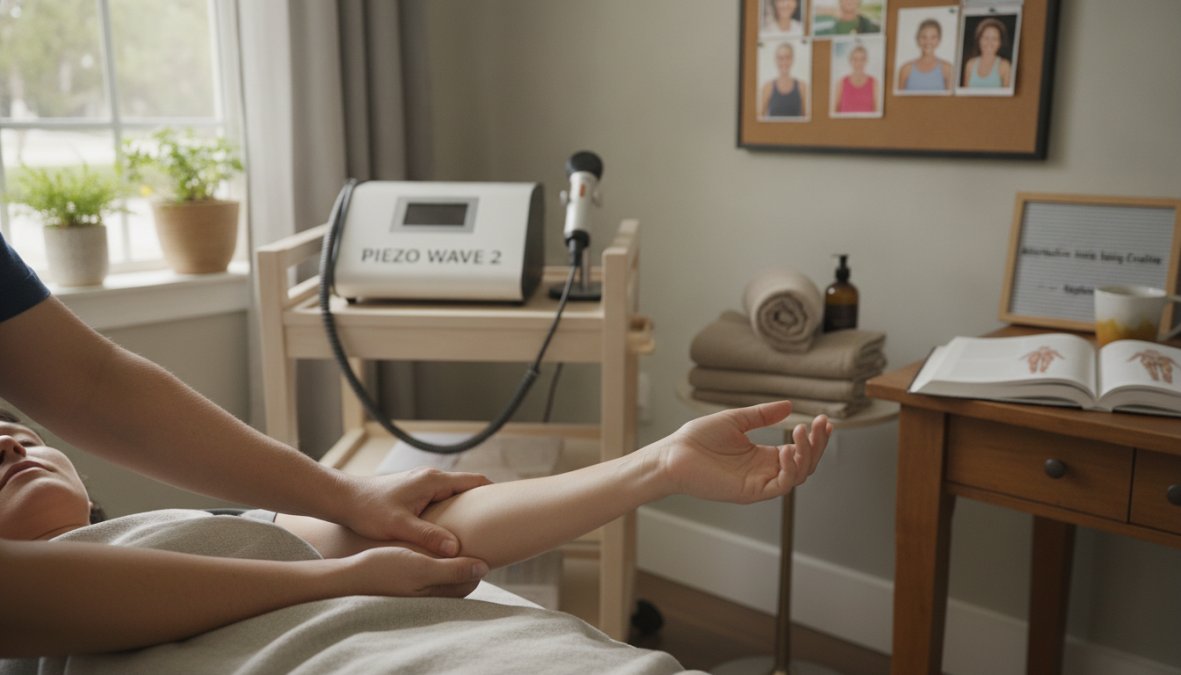
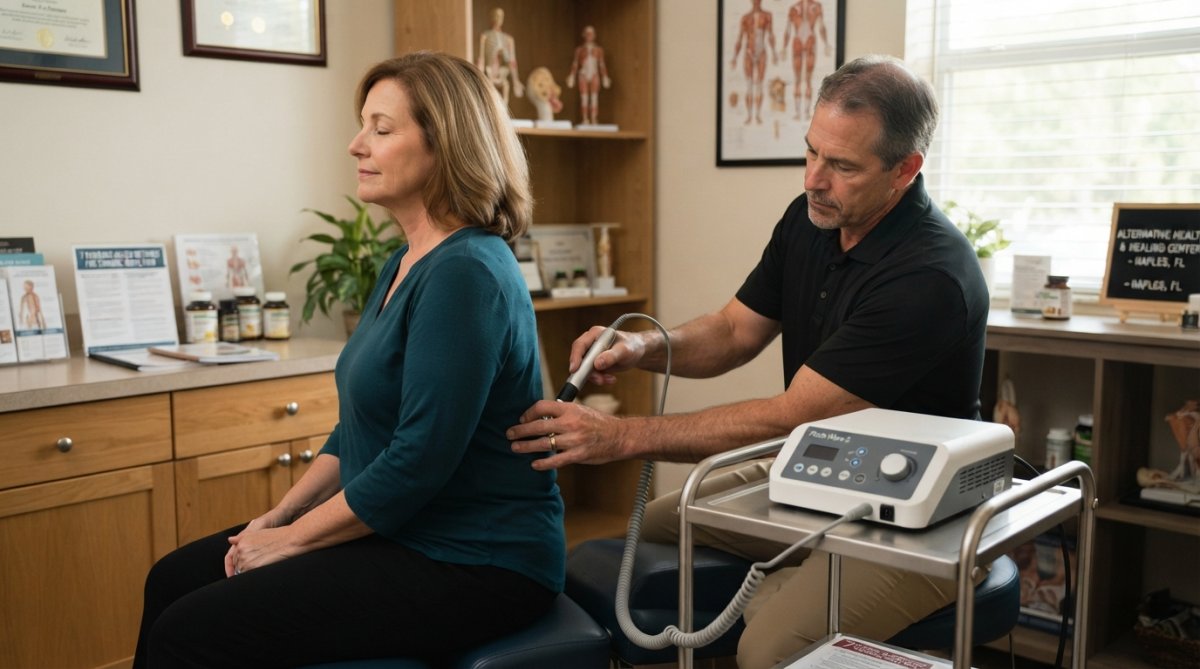
Alternative Health & Healing Center offers advanced therapeutic options beyond home care. Our team combines nearly 40 years of clinical experience with modern technology like the Piezo Wave 2 to address nerve pain that doesn't respond to basic interventions. We specialize in Applied Kinesiology, which identifies the specific muscles and organs contributing to nerve dysfunction, then addresses them systematically.
Cold laser therapy, magnetic therapy, acoustic wave therapy, and spinal decompression treatments are available for patients whose nerve pain stems from structural compression or severe inflammation. These modalities work by improving circulation, reducing inflammation, and supporting nerve regeneration.
Personalized treatment plans at Alternative Health & Healing Center combine multiple modalities tailored to your specific condition. Rather than a one-size-fits-all approach, we assess your individual situation and recommend the most effective combination of therapies.
Chronic nerve pain doesn't have to be permanent. By combining dietary changes, targeted exercises, stress management, and topical treatments, most people experience significant relief within weeks. For cases requiring additional support, Alternative Health & Healing Center provides advanced therapeutic options including cold laser, acoustic wave therapy, and Applied Kinesiology, all designed to reduce inflammation, improve circulation, and support nerve regeneration. Request an appointment today to discuss how our personalized approach can help you achieve lasting relief and restored function.
Frequently Asked Questions
What is the most effective natural way to relieve chronic nerve pain?
The most effective approach combines multiple strategies: an anti-inflammatory diet rich in omega-3 fatty acids, regular gentle exercise, stress management through meditation or deep breathing, and adequate sleep. Most people find relief when they address nerve pain holistically rather than relying on a single method. Consistency matters more than intensity, small daily habits compound over weeks and months.
Which supplements for nerve pain have the most evidence behind them?
Vitamin B12, alpha-lipoic acid, and magnesium are among the most researched supplements for neuropathic pain. However, supplement quality varies, and some can interact with medications or medical conditions. Always consult a healthcare provider before starting supplements, especially if you take other medications. Dosage, purity, and individual factors affect whether supplements will help your specific situation.
Can exercises for nerve pain actually reduce symptoms, or will they make pain worse?
Gentle, consistent exercise can reduce nerve pain over time by improving blood flow, reducing inflammation, and supporting nerve regeneration. The key is starting slowly with low-impact activities like walking, swimming, or yoga, and avoiding high-intensity exercise that may aggravate symptoms. Many people see improvement within 4-6 weeks of regular, gentle movement combined with other natural remedies.
How does sleep hygiene help with chronic nerve pain relief at home?
Poor sleep worsens pain perception and reduces your body's ability to repair nerve damage. Establishing a consistent sleep schedule, keeping your bedroom cool and dark, and avoiding screens before bed can improve sleep quality. Better sleep enhances the effectiveness of other natural remedies and helps your nervous system recover, making it a critical but often overlooked part of nerve pain management.