 how-to guide
Recover from Sports Injuries Naturally: A Step-by-Step Guide
Table of Contents
- Understanding Acute vs. Chronic Sports Injuries
- The R.I.C.E. Protocol: Foundation for How to Recover from Sports Injuries Naturally
- Natural Remedies for Muscle Pain and Inflammation
- Anti-Inflammatory Diet for Athletes Recovering from Injury
- Physical Therapy at Home for Sports Injuries
- How Long Do Sports Injuries Take to Heal Naturally
- Sleep Hygiene and Mental Resilience in Recovery
- When to Consult a Professional About Your Sports Injury
- Frequently Asked Questions
Last Updated: August 2, 2026
When you're sidelined by a sports injury, the path forward can feel uncertain. Learning how to recover from sports injuries naturally is one of the most practical investments you can make in your long-term athletic performance and overall health. At Alternative Health & Healing Center, we've guided active individuals through recovery using evidence-based natural approaches that address not just the injury itself, but the underlying factors that support tissue healing and prevent re-injury.
Understanding Acute vs. Chronic Sports Injuries
The way you treat an injury depends fundamentally on whether you're dealing with acute trauma or a long-standing chronic condition.
Acute injuries occur suddenly, a rolled ankle, muscle strain, or ligament sprain. Your body's inflammatory response kicks in immediately, flooding the injury site with blood, immune cells, and chemical signals designed to protect tissue and begin repair. The first 48-72 hours are critical for how to recover from sports injuries naturally.
Chronic injuries develop gradually through repetitive stress, muscle imbalances, or incomplete healing from previous acute injuries. They involve scar tissue formation, reduced blood flow, and neurological sensitization to pain signals. Recovery typically takes longer and requires a multifaceted approach addressing biomechanics, movement patterns, and psychological resilience.
The distinction matters because acute injuries respond well to immediate rest and ice, while chronic injuries often worsen with complete immobilization and improve through progressive therapeutic exercise and gradual return to activity.
The R.I.C.E. Protocol: Foundation for How to Recover from Sports Injuries Naturally
The R.I.C.E. method, Rest, Ice, Compression, Elevation, remains the gold standard for acute soft tissue injury management because it directly addresses the inflammatory cascade that begins immediately after trauma.
Rest and immobilization strategies prevent further damage and allow your body to direct energy toward tissue repair. For acute injuries, complete rest typically means 24-48 hours of minimal activity. However, "rest" doesn't mean zero movement. After the initial acute phase, gentle range of motion exercises prevent muscle atrophy and maintain joint mobility. The key is graduated rest: strict immobilization for 24-48 hours, then careful introduction of pain-free movement.
Cold therapy and heat application timing is crucial. Ice works during the acute phase, the first 48-72 hours, by reducing blood flow to the injury site, decreasing swelling and slowing the inflammatory cascade. Apply ice for 15-20 minutes at a time, several times daily during this window. After 72 hours, switch to heat. Heat therapy increases blood flow, promotes muscle relaxation, and supports tissue repair and pain threshold improvement. Using ice beyond 72 hours can actually slow healing by limiting blood flow when you need it for tissue reconstruction.
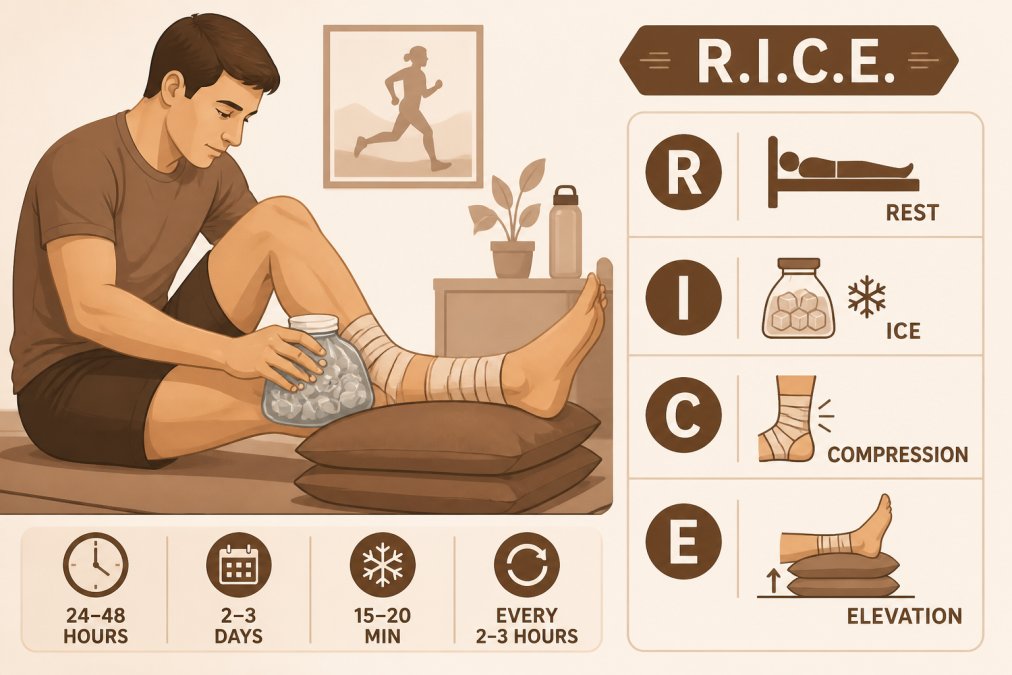
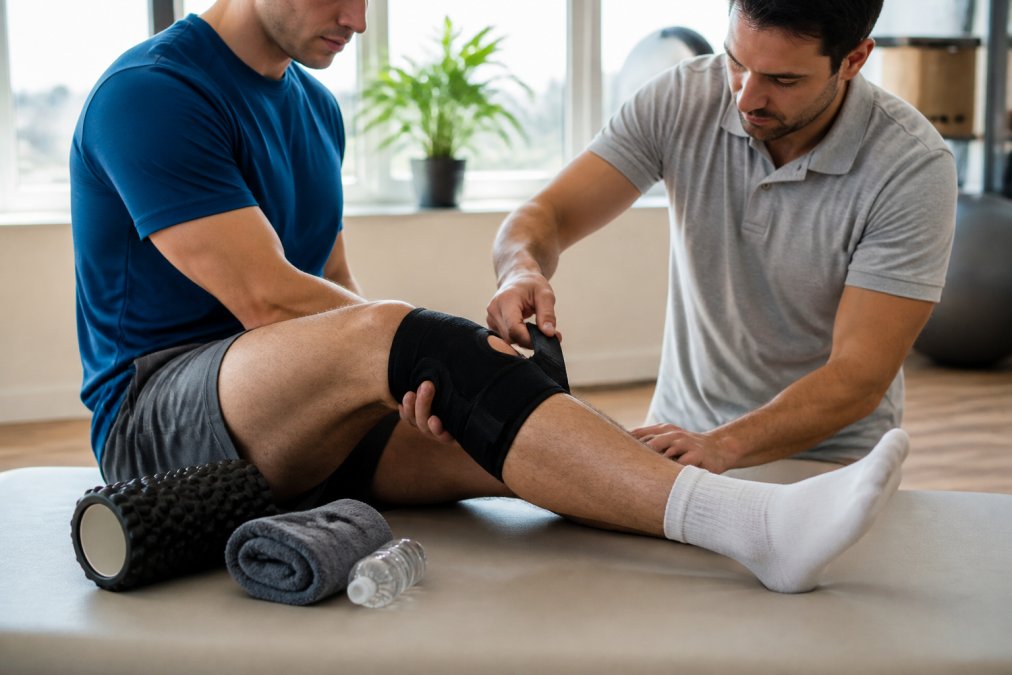
Compression and elevation techniques work together to manage swelling. Compression wraps reduce fluid accumulation by applying gentle external pressure. Elevation uses gravity to prevent blood from pooling in the injury site. When applying compression, the wrap should feel snug but not cut off circulation. Elevation means positioning the injured area above heart level. Maintain elevation for the first 24-48 hours and whenever you're resting.
| R.I.C.E. Component | Duration | Application | When to Stop |
|---|---|---|---|
| Rest (immobilization) | 24-48 hours | Minimize activity, support joint | When pain-free movement is possible |
| Ice | 15-20 min, 3-4x daily | Apply to skin through cloth | After 72 hours (switch to heat) |
| Compression | Continuous first 48 hours | Wrap snugly, check circulation | When swelling resolves |
| Elevation | 24-48 hours minimum | Above heart level when resting | As swelling decreases |
Natural Remedies for Muscle Pain and Inflammation
Beyond the R.I.C.E. protocol, natural remedies address inflammation and pain through dietary compounds and topical treatments that support your body's healing mechanisms.
Anti-inflammatory herbs and topical treatments have been used for centuries and are increasingly supported by modern research. Turmeric contains curcumin, which inhibits inflammatory pathways. Ginger reduces prostaglandins that drive inflammation and pain. Arnica, applied topically as a gel or oil, has shown effectiveness for bruising and muscle soreness. Cayenne pepper contains capsaicin, which reduces pain perception when applied topically. The most practical approach is combining these: consume turmeric and ginger through food or supplements, apply arnica gel to bruised areas, and use heat therapy with cayenne-infused oils.
Supplements for tissue repair and pain management provide building blocks your body needs to reconstruct damaged tissue. A practical supplement stack for sports injury recovery includes: high-quality protein powder (20-30g post-exercise), collagen peptides (10-20g daily), omega-3 fish oil (1000-2000mg EPA+DHA daily), magnesium glycinate (300-400mg evening), and vitamin C (500-1000mg daily). These work synergistically to reduce inflammation, support tissue reconstruction, and improve pain management.
Anti-Inflammatory Diet for Athletes Recovering from Injury
Your diet during recovery directly determines how quickly your body rebuilds damaged tissue and whether chronic inflammation develops.
Protein synthesis and nutrient timing are fundamental. Protein provides amino acids your body uses to repair muscle fibers and connective tissue. During recovery, aim for 1.2-1.6 grams per kilogram of body weight daily, roughly 25-35 grams per meal for most people. Consuming protein within 1-2 hours after therapeutic exercise accelerates muscle protein synthesis.
Beyond protein, prioritize anti-inflammatory foods: fatty fish rich in omega-3s (salmon, sardines, mackerel), colorful vegetables high in antioxidants (berries, leafy greens, bell peppers), nuts and seeds, olive oil, and whole grains. Avoid foods that promote inflammation: refined sugars, processed oils, excessive alcohol, and ultra-processed foods.
Hydration and metabolic recovery are often overlooked. Water is essential for every aspect of tissue repair, it transports nutrients, removes metabolic waste, and maintains joint lubrication. During recovery, drink at least half your body weight in ounces of water daily. Electrolytes support muscle function and reduce cramping, particularly important if you're sweating during therapy sessions.
Physical Therapy at Home for Sports Injuries
Much of your recovery happens between appointments through consistent home-based therapeutic exercise.
Stretching and range of motion exercises prevent stiffness and maintain joint mobility. Begin only after acute pain subsides, typically 3-5 days after injury. Start with gentle, pain-free stretches held for 20-30 seconds, repeated 2-3 times per stretch. Progress gradually to deeper stretches as pain decreases. The principle is progressive overload applied to flexibility: small increases in stretch intensity or duration over weeks, not dramatic changes that cause setbacks.
Progressive strengthening and biomechanics come next. Weak muscles around an injured joint increase re-injury risk. Begin with isometric exercises, contracting muscles without moving the joint. Progress to active range of motion exercises where you move the joint against gravity. Finally, add resistance through bands, weights, or body weight. The progression typically spans 4-8 weeks depending on injury severity. The key is matching exercise intensity to your current healing stage.
| Recovery Stage | Timeline | Exercise Type | Examples |
|---|---|---|---|
| Acute | Days 0-3 | Rest, ice, compression | Immobilization, elevation |
| Early | Days 3-14 | Gentle range of motion | Passive and active stretches |
| Intermediate | Weeks 2-4 | Isometric strengthening | Muscle contractions without movement |
| Late | Weeks 4-8 | Progressive resistance | Bands, weights, functional movements |
| Return to activity | Weeks 8+ | Sport-specific training | Gradual return to competition |
How Long Do Sports Injuries Take to Heal Naturally
Recovery timelines vary dramatically based on injury type, severity, and individual factors.
Timeline expectations by injury type range from weeks to months. Mild muscle strains typically heal in 2-4 weeks with proper care. Moderate strains require 4-8 weeks. Severe strains or muscle tears can take 8-12 weeks or longer. Ligament sprains follow a similar pattern. Tendon injuries are the slowest; tendinitis often requires 6-12 weeks of consistent care. Tissue continues remodeling and strengthening for months after pain resolves, which is why gradual progression matters more than rapid return to full activity.
Age-specific recovery factors significantly influence healing speed. Younger athletes (under 30) typically recover 20-30% faster than older athletes due to more efficient protein synthesis and better blood flow. Athletes over 45 often require 30-50% longer recovery timelines, particularly for tendon and ligament injuries. Recovery also depends on your training history, overall health, sleep quality, stress levels, and nutrition. Comprehensive recovery addressing all these factors outperforms focusing on any single element.
Sleep Hygiene and Mental Resilience in Recovery
The most overlooked aspect of how to recover from sports injuries naturally is sleep. Your body performs 70-80% of tissue repair and protein synthesis during sleep, particularly during deep sleep stages.
Sleep's role in tissue repair and pain threshold is physiological and measurable. During deep sleep, growth hormone levels spike, blood flow to recovering tissues increases, and your nervous system consolidates pain memories. Athletes sleeping less than 6 hours nightly show 40-50% slower recovery from soft tissue injuries compared to those sleeping 7-9 hours.
Establish sleep hygiene practices: consistent bedtime and wake time, cool dark bedroom (65-68°F is optimal), no screens 30-60 minutes before bed, and avoidance of caffeine after 2 PM. If struggling with sleep due to pain, use ice or heat before bed, elevate the injured area, and consider magnesium supplementation (300-400mg evening).
Psychological resilience and goal setting matter as much as physical rehabilitation. Injury often triggers frustration, anxiety, and identity crisis. This psychological stress activates your sympathetic nervous system, increases cortisol, and actually slows healing. Counter this by reframing recovery as an active process with measurable goals. Instead of "I'm injured and can't train," set specific recovery goals like improving ankle dorsiflexion by 10 degrees or progressing to single-leg balance for 30 seconds.
Visualization and breathing techniques reduce pain perception and anxiety. Spending 5-10 minutes daily visualizing yourself moving pain-free and recovering successfully activates the same neural pathways as physical practice. Combined with diaphragmatic breathing, this becomes a powerful tool for managing both pain and psychological stress.
When to Consult a Professional About Your Sports Injury
While natural recovery strategies work well for many injuries, certain situations require professional evaluation.
Seek professional care immediately if you experience severe pain, significant swelling, inability to bear weight or move the joint, signs of infection (fever, increasing redness, warmth), or suspected fracture. Also consult a professional if home treatment isn't working after 2 weeks, pain isn't decreasing, swelling isn't resolving, or range of motion isn't improving.
Professional evaluation can identify problems you might miss: ligament damage that feels like a strain, joint instability, nerve involvement, or chronic movement patterns that caused the injury. A qualified practitioner can design a personalized recovery protocol, provide hands-on treatment to reduce pain and improve mobility, and monitor your progression to prevent re-injury.
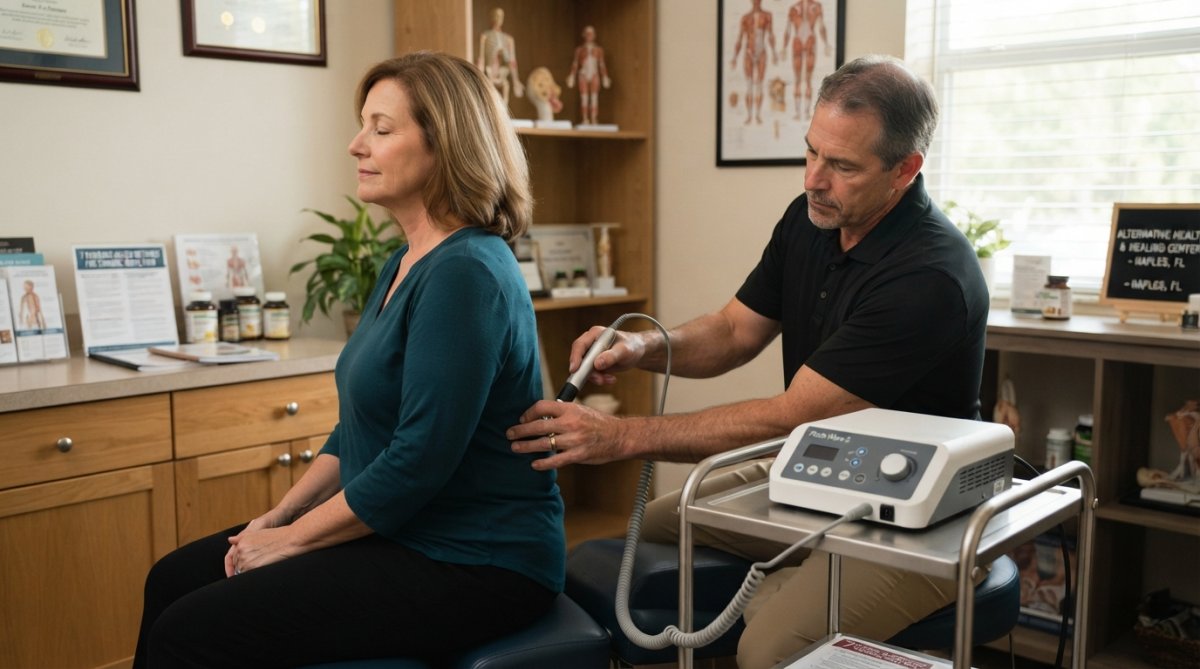
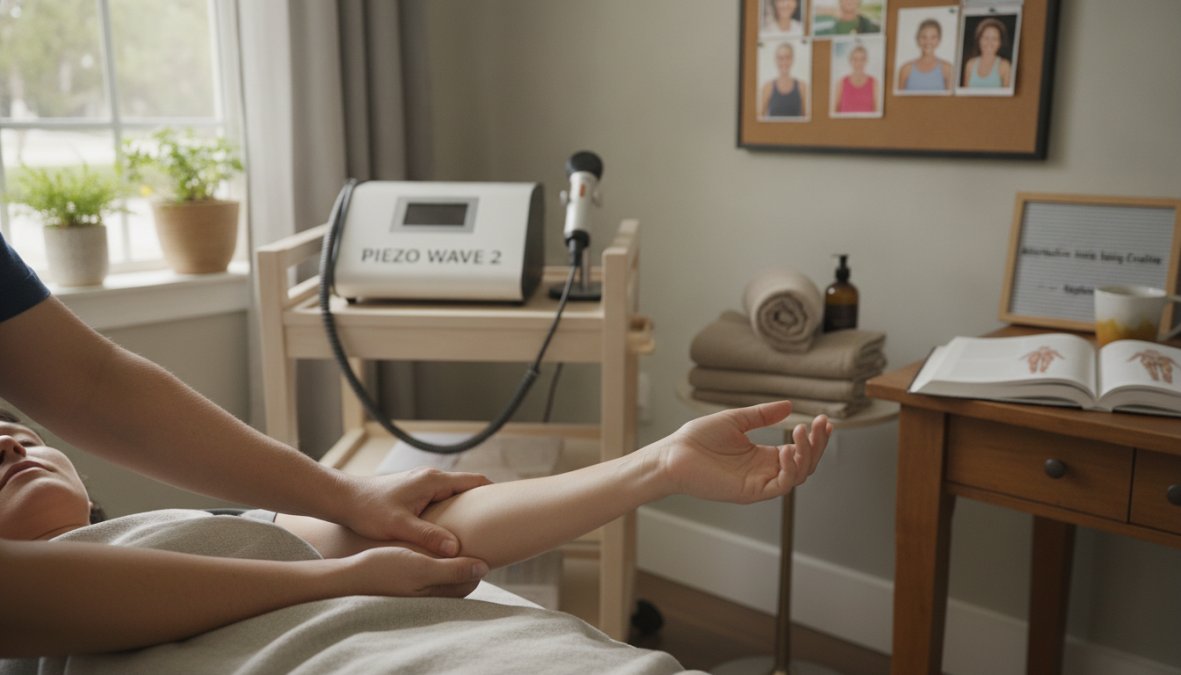
At Alternative Health & Healing Center, our approach combines Applied Kinesiology assessment with advanced therapeutic modalities like the Piezo Wave 2 technology to address both the injury itself and the underlying factors that contributed to it. With nearly 40 years of clinical experience, we deliver personalized, technology-supported care.
Sports injury recovery doesn't require months of frustration or fear of re-injury. By combining the R.I.C.E. protocol with targeted nutrition, consistent therapeutic exercise, quality sleep, and professional guidance when needed, you can recover from sports injuries naturally while building resilience that prevents future injuries. If you're ready to move beyond pain and return to the activities you love, request an appointment with Alternative Health & Healing Center and discover how personalized integrative care accelerates your recovery.
Frequently Asked Questions
What is the fastest way to recover from a sports injury naturally?
The fastest natural recovery combines immediate R.I.C.E. protocol (rest, ice, compression, elevation) with anti-inflammatory nutrition and consistent physical therapy exercises at home. Starting rehabilitation early while respecting rest periods prevents stiffness and promotes blood flow to the injured tissue. Most athletes see measurable improvement within 2-4 weeks when following a structured recovery protocol consistently.
How long do sports injuries typically take to heal naturally?
Recovery timelines vary significantly by injury type and severity. Muscle strains typically heal in 2-6 weeks, ligament sprains in 4-12 weeks, and stress fractures in 6-12 weeks. Age plays a major role: athletes over 45 may experience 20-30% longer healing times than younger athletes. Consistent rehabilitation and proper nutrition accelerate tissue repair throughout the recovery period.
What foods help repair muscle and ligaments after a sports injury?
Protein-rich foods support muscle repair and protein synthesis, including lean meats, fish, eggs, and legumes. Anti-inflammatory foods like fatty fish (omega-3s), berries, leafy greens, and nuts reduce inflammation. Hydration is equally critical for metabolic recovery and nutrient transport. Consuming protein and carbohydrates within 30-60 minutes after physical therapy sessions optimizes tissue repair.
Can natural remedies and physical therapy at home really replace professional treatment for sports injuries?
Natural remedies and home exercises work well for mild to moderate injuries when applied correctly. However, severe injuries, persistent swelling, loss of function, or pain lasting beyond 2-3 weeks warrant professional evaluation. A qualified practitioner can assess whether your injury involves ligament damage, fractures, or nerve involvement that requires specialized care. Many athletes combine home recovery with periodic professional guidance for optimal results.