 review
PiezoWave Therapy Reviews for Pain: Benefits, Costs & Results
Table of Contents
- What Is PiezoWave Therapy and How Does It Work for Pain Relief?
- Conditions Treated by PiezoWave: Real Patient Results
- PiezoWave Therapy Benefits: What the Evidence Shows
- Is PiezoWave Therapy Painful? What to Expect During Sessions
- PiezoWave Therapy Side Effects: Safety and Contraindications
- PiezoWave Therapy Cost: What You'll Actually Pay
- PiezoWave vs. Shockwave Therapy: Key Differences Explained
- Real Patient Reviews: Success Stories and Honest Feedback
- Frequently Asked Questions
PiezoWave Therapy Reviews for Pain: Benefits, Costs & Results
Last Updated: July 26, 2026
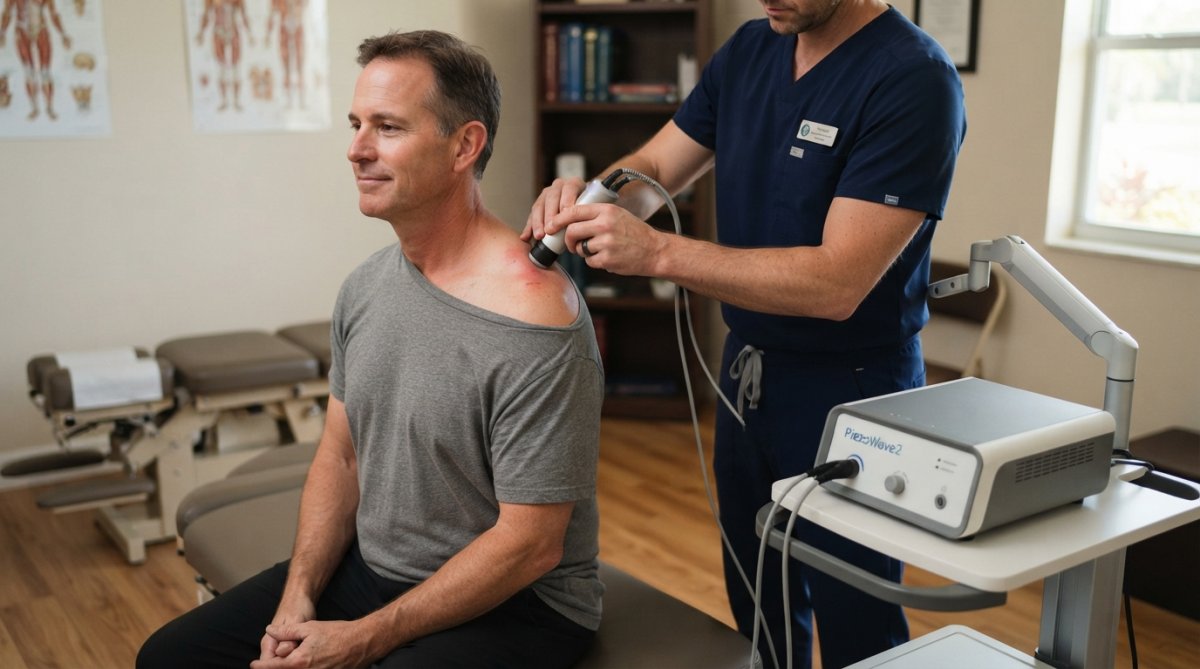
When chronic pain from plantar fasciitis, tendinitis, or myofascial pain syndrome resists conventional treatment, piezo wave therapy offers a compelling non-invasive alternative. At Alternative Health & Healing Center in Naples, Florida, we've spent nearly 40 years refining integrative approaches to musculoskeletal pain, and piezo wave therapy has emerged as one of our most effective solutions. Below, we'll show you how this technology works, what patients experience, and whether it's right for your condition.
What Is PiezoWave Therapy and How Does It Work for Pain Relief?
PiezoWave therapy is an advanced form of extracorporeal shockwave therapy (ESWT) that uses focused acoustic waves to stimulate healing in damaged soft tissues. Unlike traditional shockwave systems that deliver broad-spectrum energy, piezo wave technology generates highly focused, controlled pulses at 16-20 Hz that penetrate deep into muscle, tendon, and ligament tissue without damaging surrounding structures.
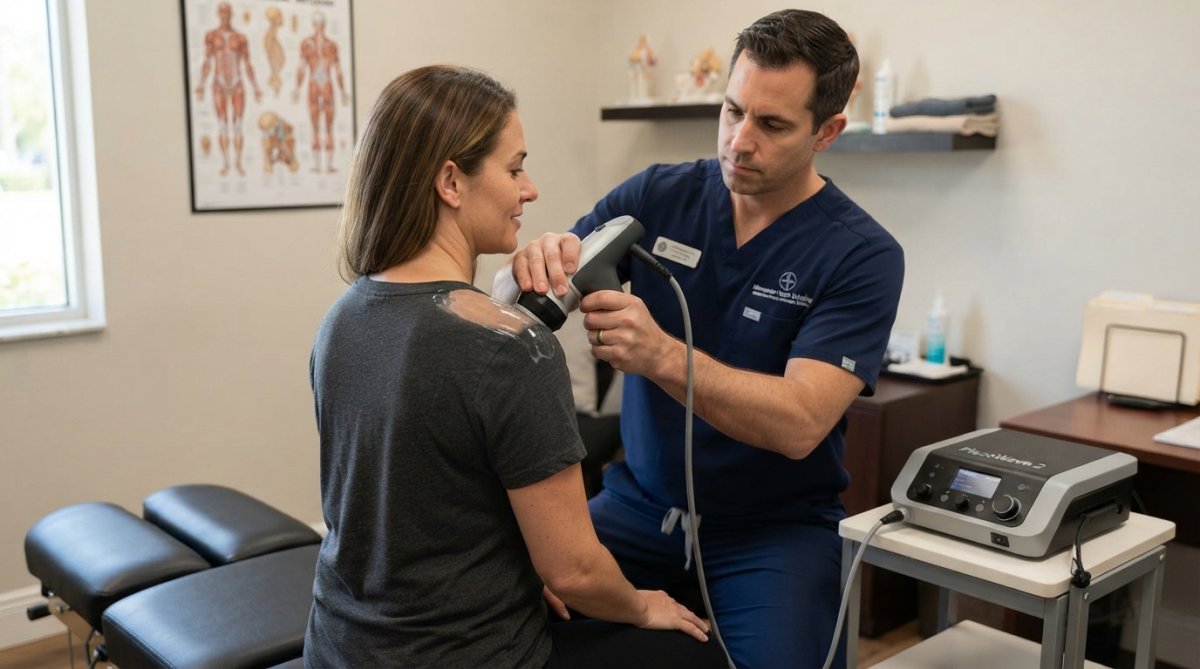
When acoustic waves reach injured tissue, they create microtrauma that triggers your body's natural healing response. This stimulates increased blood flow, promotes new blood vessel formation, and activates growth factors that repair damaged cells. Ultrasound guidance allows practitioners to visualize the exact tissue being treated in real time, ensuring shockwaves hit the intended target and reducing risk to healthy tissue.
Conditions Treated by PiezoWave: Real Patient Results
Piezo wave therapy addresses musculoskeletal and soft tissue conditions that resist conventional treatment, particularly those involving chronic inflammation, poor blood flow, or tissue degeneration in localized areas.
Plantar Fasciitis and Heel Pain represents the most common indication. Research shows piezo wave therapy stimulates healing in the fascia, reducing pain and improving mobility in 70-80% of patients who complete treatment courses.
Tendinitis and Tendinopathy respond well because tendons have limited blood supply and heal slowly through conventional methods. The focused acoustic waves increase blood flow to injured tendons, accelerating healing and allowing faster return to activity than rest-based protocols alone.
Myofascial Pain Syndrome involving trigger points in muscles and fascia responds to piezo wave therapy by releasing tension and stimulating natural healing mechanisms. Patients frequently report significant improvement in range of motion and chronic muscle tension after 3-4 sessions.
Sports Injuries and Repetitive Stress Conditions including stress fractures, ligament sprains, and chronic overuse injuries respond because piezo wave therapy reactivates incomplete healing and breaks up scar tissue, promoting tissue remodeling that restores function.
PiezoWave Therapy Benefits: What the Evidence Shows
Pain Reduction and Improved Mobility constitute the primary benefits. Piezo wave therapy reduces pain through multiple mechanisms: acoustic waves decrease inflammatory markers, stimulate endogenous pain-relieving substances, and promote tissue healing that addresses underlying causes. Patients typically report noticeable pain reduction within 2-3 weeks, with continued improvement over 8-12 weeks as tissue remodels.
Non-Invasive Alternative to Surgery represents a critical advantage for patients who've exhausted conservative options but fear surgical intervention. Piezo wave therapy achieves similar outcomes without incisions, anesthesia risks, or the 6-12 month recovery timeline surgery demands.
Tissue Regeneration at the Cellular Level distinguishes piezo wave therapy from symptom-masking approaches. The acoustic waves trigger cellular mechanisms that repair and regenerate damaged tissue, explaining why benefits often persist long after treatment ends.
Reduced Dependency on Medications follows naturally when pain decreases and tissue heals. Many patients reduce or eliminate pain medications, NSAIDs, and corticosteroid injections after successful piezo wave therapy.
Is PiezoWave Therapy Painful? What to Expect During Sessions
During a typical session, you'll feel rapid tapping or vibrating sensations at the treatment site. Intensity varies based on tissue depth and pain tolerance. Superficial areas like the foot produce mild sensations most patients tolerate easily. Deeper tissue treatments create more pronounced sensations described as pressure, deep vibration, or dull ache rather than sharp pain. Sessions last 10-15 minutes for most conditions.
The device doesn't require anesthesia, incisions, or numbing agents for most patients. Your comfort level during treatment influences effectiveness; when tense and guarding against anticipated pain, muscles contract and resist therapeutic effects. Practitioners adjust intensity based on your feedback.
Recovery Time and Post-Treatment Soreness typically involve minimal downtime. Most patients resume normal activities immediately. Some experience mild soreness in the treated area for 24-48 hours, similar to post-workout soreness. This indicates the healing response is activated. Ice application for 10-15 minutes after treatment reduces soreness and minimizes inflammation.
PiezoWave Therapy Side Effects: Safety and Contraindications
Common Mild Side Effects occur in a minority of patients and resolve within days. Temporary bruising appears in some cases, particularly with sensitive skin or prominent blood vessels. Mild swelling lasting 24-48 hours occurs occasionally. Some patients report temporary numbness or tingling that resolves as inflammation decreases.
Serious Risks Are Rare when treatment is administered by qualified practitioners using proper protocols. Serious complications like nerve damage, blood vessel rupture, or severe tissue damage occur in less than 1% of treatments and typically result from improper technique.
Who Should Avoid PiezoWave Treatment includes specific populations where therapy poses unacceptable risks. Patients with active infections should delay therapy until infection resolves. Pregnancy represents an absolute contraindication. Patients taking blood thinners face increased bruising risk but treatment isn't absolutely contraindicated with modified protocols. Active malignancy in the treatment area contraindicates therapy, as does recent surgery (typically requiring 6-8 weeks post-surgical healing).
Pacemakers and other electronic implants require careful evaluation; most modern pacemakers function safely during piezo wave therapy, but your cardiologist should confirm compatibility. Patients with severe osteoporosis need modified protocols to avoid fracture risk.
PiezoWave Therapy Cost: What You'll Actually Pay
Pricing varies significantly based on geographic location, practitioner experience, facility overhead, and treatment complexity. Contact Alternative Health & Healing Center directly for a personalized quote discussing your specific condition, number of sessions likely needed, and any insurance coverage.
Pricing Factors include the number of sessions required (most conditions need 3-6 sessions spaced 1-2 weeks apart), the specific area being treated, facility overhead, practitioner credentials, and equipment quality. Facilities with extensive experience and advanced ultrasound guidance systems typically charge more than basic clinics.
Long-Term Investment matters more than per-session cost. Many patients achieve lasting results from a single treatment course and need no additional sessions. Others benefit from occasional maintenance sessions annually to prevent recurrence. When calculating total investment, factor in treatment costs against ongoing medications, repeated injections, or eventual surgery costs. Piezo wave therapy often proves cost-effective compared to alternatives.
Insurance coverage remains inconsistent. Some insurers cover ESWT for specific approved conditions like plantar fasciitis, while others classify it as experimental. Contact your insurance provider before treatment to understand your coverage.
PiezoWave vs. Shockwave Therapy: Key Differences Explained
The terms "piezo wave therapy" and "shockwave therapy" often get used interchangeably, but they're related yet distinct technologies with meaningful differences.
Technology and Delivery Method represent the fundamental difference. Radial shockwave systems use compressed air to drive a projectile that strikes the applicator head, creating shock waves that disperse in a cone-shaped pattern. Piezo wave therapy uses piezoelectric crystals that vibrate at specific frequencies to generate highly focused acoustic waves, concentrating energy at a precise point rather than dispersing it across a wide area.
Clinical Precision and Accuracy heavily favors focused piezo wave systems. Practitioners can target exact problem areas, a specific trigger point in a muscle or precise location within a tendon. This reduces treatment of healthy surrounding tissue and increases likelihood of hitting the actual pain source. Radial systems treat larger areas with less precision.
Clinical Outcomes show measurable differences. Research demonstrates focused shockwave systems produce better outcomes than radial systems for specific conditions like plantar fasciitis and tendinitis. Success rates for focused systems typically exceed 70-80%, while radial systems show 50-60% success rates for the same conditions.
Tissue Penetration Depth differs between technologies. Piezo wave systems focus energy at specific depths (typically 2-4 cm below skin surface), making them ideal for deeper structures like the Achilles tendon or rotator cuff tendons. Radial systems penetrate more superficially.
Real Patient Reviews: Success Stories and Honest Feedback
Common Themes in Patient Testimonials reveal consistent patterns. Patients report pain reduction happens gradually over weeks rather than immediately. Most describe minimal change in weeks 1-3, then meaningful improvement by week 4-6. Successful patients emphasize completing the full treatment course rather than stopping after one or two sessions.
Patients frequently mention surprise at how non-invasive treatment actually is. Many anticipated something more intense and were pleasantly surprised by tolerable sensations. Patients also highlight the value of combining piezo wave therapy with physical therapy; those doing targeted exercises between sessions reported better outcomes.
Return to activity represents a major theme in positive reviews. Athletes consistently report resuming sports and exercise within weeks rather than the months required by surgery or extended conservative treatment.
When PiezoWave Therapy Doesn't Deliver Expected Results reveals important limitations. Some patients with multiple pain sources see improvement in the treated condition but not complete pain resolution because other pain sources remain. Patients with very chronic conditions (pain lasting 5+ years) sometimes show slower response than those with more recent injuries. Patients who don't comply with activity modification between sessions sometimes report disappointing results; resuming heavy loading immediately after treatment can re-injure healing tissue.
Frequently Asked Questions
Does PiezoWave therapy really work for chronic pain?
PiezoWave therapy uses extracorporeal shockwave technology to stimulate tissue healing and reduce inflammation in musculoskeletal conditions. Clinical studies show effectiveness for plantar fasciitis, tendinitis, and myofascial pain syndrome. Results vary based on condition severity, tissue damage, and individual healing response. Many patients experience meaningful pain reduction and improved mobility, though some may require multiple treatment sessions for optimal outcomes. Success depends on proper diagnosis and appropriate patient selection.
What are the main side effects of PiezoWave therapy?
PiezoWave therapy side effects are typically mild and temporary. Most common are localized soreness, bruising, and minor swelling at the treatment site lasting a few days. Some patients report temporary increased discomfort before pain reduction begins. Serious side effects are rare when administered by trained professionals. Contraindications include pregnancy, active infections, bleeding disorders, and certain medications. Always discuss your complete medical history with your provider to ensure PiezoWave therapy is safe for your specific situation.
How does PiezoWave therapy cost compare to surgery or other treatments?
PiezoWave therapy pricing depends on the number of sessions needed, condition being treated, and provider location. For specific pricing at Alternative Health & Healing Center, contact them directly for a personalized quote. Generally, non-invasive options like PiezoWave therapy may offer cost advantages over surgical interventions when considering recovery time, time off work, and potential complications. Long-term maintenance costs should also be factored into your total investment decision for chronic pain management.
What's the difference between PiezoWave and traditional shockwave therapy?
PiezoWave therapy uses piezoelectric technology to deliver focused, precise shockwaves, while traditional shockwave therapy may use different energy sources. PiezoWave systems offer ultrasound-guided targeting for improved accuracy on specific trigger points and deep tissue areas. This precision can result in better treatment outcomes and potentially fewer sessions. PiezoWave therapy is often considered less painful than some traditional shockwave approaches. Your provider can recommend which technology best suits your condition and pain management goals.
How many PiezoWave therapy sessions do I need to see pain relief results?
The number of PiezoWave therapy sessions varies based on condition severity, tissue damage, and individual healing response. Some patients notice improvement within 1-3 sessions, while others may require 4-6 sessions or more for optimal results. Treatment plans are typically customized based on your specific musculoskeletal condition and pain level. Your provider will assess progress and adjust the treatment plan accordingly. Recovery time between sessions and long-term maintenance may also be recommended for sustained pain management.
Sources Referenced:
[EXTERNAL_LINK: National Institutes of Health research on extracorporeal shockwave therapy mechanisms | nih.gov]
[EXTERNAL_LINK: Journal of Orthopaedic Surgery and Research clinical outcomes data | jorthsurg.biomedcentral.com]
[EXTERNAL_LINK: American Academy of Physical Medicine and Rehabilitation guidelines on shockwave therapy | aapmr.org]


