 How-to
Benefits of Cold Therapy for Joint Injuries Explained
Last Updated: November 10, 2026
Quick Summary
Cold therapy reduces pain and swelling in an injured joint by narrowing blood vessels, slowing blood flow and dulling nerve signals. It is most useful in the first days after a fresh injury. Cold is a comfort tool and does not repair torn cartilage or ligaments on its own.
- Narrowed blood vessels can limit early swelling and bruising in the injured area.
- Apply ice wrapped in a thin towel for 15 to 20 minutes at a time.
- Let the skin return to normal temperature for at least 40 minutes between sessions.
- Use cold for new injuries and heat later for stiffness and chronic aches.
- Stop icing if the skin turns white, numb or blotchy, and see a doctor for red flags.
Table of Contents
Cold therapy is one of the most common first responses to a joint injury, and for good reason. Applying cold reduces the temperature of the tissue underneath, which slows blood flow and calms the early inflammatory response.
When cold touches the skin, blood vessels near the surface narrow, a process called vasoconstriction. Less blood reaches the injured area in the first minutes, which can limit swelling and bruising. Cooling also slows the activity of nerve endings, so the sharp signals of pain feel duller.
- Narrowed blood vessels reduce early swelling
- Cooler tissue slows nerve signals that cause pain
- Lower temperature can ease muscle spasm around the joint
- Effects are temporary and fade once the skin warms again
Cold therapy is the use of low temperatures, usually from ice packs, cold packs or cold water, to reduce pain and swelling in an injured area.
Keep in mind that most of these benefits come from short-term symptom relief. Readers curious about whether joint tissue can truly heal can read our evidence-focused guide to cartilage repair. Cold does not repair torn cartilage or ligaments on its own. Think of it as a way to make the first days of recovery more comfortable while your body does the healing work.
Pain Relief and Reduced Swelling After a Joint Injury
Most people notice the pain-relief effect first. Within a few minutes of applying cold, the joint often feels less sore and easier to move gently. This numbing effect is why cold is a staple for sprains, strains and flare-ups of joint pain.
Swelling is the second major target. Injured joints fill with fluid, and that fluid can stiffen the area and make motion painful. Cold helps limit how much fluid collects in the first 24 to 48 hours. Pairing ice with compression and elevation, sometimes called the RICE approach, is a commonly taught first-aid method.
A common mistake is icing for too long in one sitting. Skin can be damaged by prolonged direct cold, so a thin towel should always sit between the ice and the skin. Many people also expect swelling to vanish completely. Ice reduces swelling, but it rarely eliminates it on its own.
Heat or Ice for Joint Inflammation: Which to Use When
Heat and ice are often confused, and choosing the wrong one can make symptoms worse. In general, cold suits fresh injuries and heat suits stiff, chronic aches. Both have a place, but the timing matters more than most people realize. Because timing matters for both joints and muscles, choosing between heat or ice should begin with whether the pain is fresh or chronic.
Cold is usually the better choice in the first two to three days after an injury, when swelling and inflammation are at their peak. Heat is more useful later, when the joint feels tight and the goal is to loosen muscles and improve flexibility.
- Use cold for new injuries, visible swelling or a sudden flare
- Use heat for stiffness, dull chronic aches and muscle tightness
- Avoid heat on a fresh, swollen joint, since it can increase swelling
- If you are unsure, start with cold and check with a clinician
How Long to Ice a Joint Injury, Step by Step
The right routine is simple, but it works best when you follow it consistently. Common guidance suggests short sessions with breaks in between, so the skin and tissue never get too cold.
Safe Application Protocol for the First 72 Hours
- Wrap the ice pack or cold gel in a thin towel.
- Place it over the injured joint for 15 to 20 minutes.
- Remove it and let the skin return to normal temperature for at least 40 minutes.
- Repeat this cycle several times a day during the first three days.
- Stop right away if the skin turns white, numb or blotchy (the CDC).
Pay attention to how your joint responds. For specific recovery steps beyond the basic icing timeline, read our guide on how to help jumper's knee. If pain gets worse, or the area stays swollen after several days of icing, it is time to have someone examine it.
Ice Therapy for Knee Injuries and Arthritis Flare-Ups
Knees are one of the most common places people use cold therapy. For a sudden knee injury, ice can help control swelling so you can move more comfortably. For arthritis flare-ups, many people find that short cold sessions take the edge off a bad day.
Pairing ice with rest, gentle movement and elevation of the leg often gives the best results. If you want non-surgical options to compare against ice, see our list of alternatives to surgery for knee pain. Avoid ice in place of a proper evaluation if your knee gives way, locks or cannot bear weight.
Does Ice Help Injuries Heal Faster? What the Evidence Shows
This is the question many patients ask most often. The honest answer is that ice mainly helps with comfort and swelling control, not with speeding up the repair of tissue.
Some research has questioned whether icing slows the body's natural inflammatory signals that help injured tissue heal. The evidence is mixed, and studies vary in quality, so it is best to view cold as a short-term comfort tool rather than a proven healing treatment.
- Ice is well suited to pain and swelling control
- Evidence that ice speeds tissue repair is limited
- Long-term recovery depends on the cause of the injury
- Work with a clinician to decide how and when to use cold
Red Flags That Mean You Should See a Doctor Before Icing
Cold therapy is safe for most minor injuries, but some symptoms need prompt medical attention. Do not rely on ice alone if any of the following apply:
- The joint is deformed, or you heard a pop with immediate severe pain
- You cannot put any weight on the leg or bear the joint
- Numbness, tingling or weakness spreads into the arm or leg
- Redness, warmth and fever appear together, which can signal infection
- Swelling keeps growing or pain does not improve after several days
- You have diabetes or poor circulation, which can make cold injuries harder to notice
Booking an Assessment to Build Your Joint Recovery Plan
Every joint injury is different, and what helps one person may not suit another. At Alternative Health & Healing Center, our team can help you understand the cause of your pain, decide whether cold therapy fits your situation, and build a plan that goes beyond ice. You can book an assessment with our Naples team to review your symptoms and explore options such as PiezoWave 2 therapy for knee pain if it is appropriate for you. Reach out today to start a recovery plan that fits your goals.
Frequently Asked Questions
Why is ice no longer recommended for injuries?
Ice is not discredited, but the old RICE shorthand (rest, ice, compression, elevation) is now treated as a starting point rather than a rigid rule. Many clinicians favor gentle movement and load as tolerated, because some early inflammation supports tissue repair. Ice remains a reasonable tool for short-term pain and swelling relief. The evidence for it speeding healing is limited, so it works best as a comfort measure within a broader plan. If pain or swelling is severe, or you are unsure of the injury, consult a qualified healthcare professional.
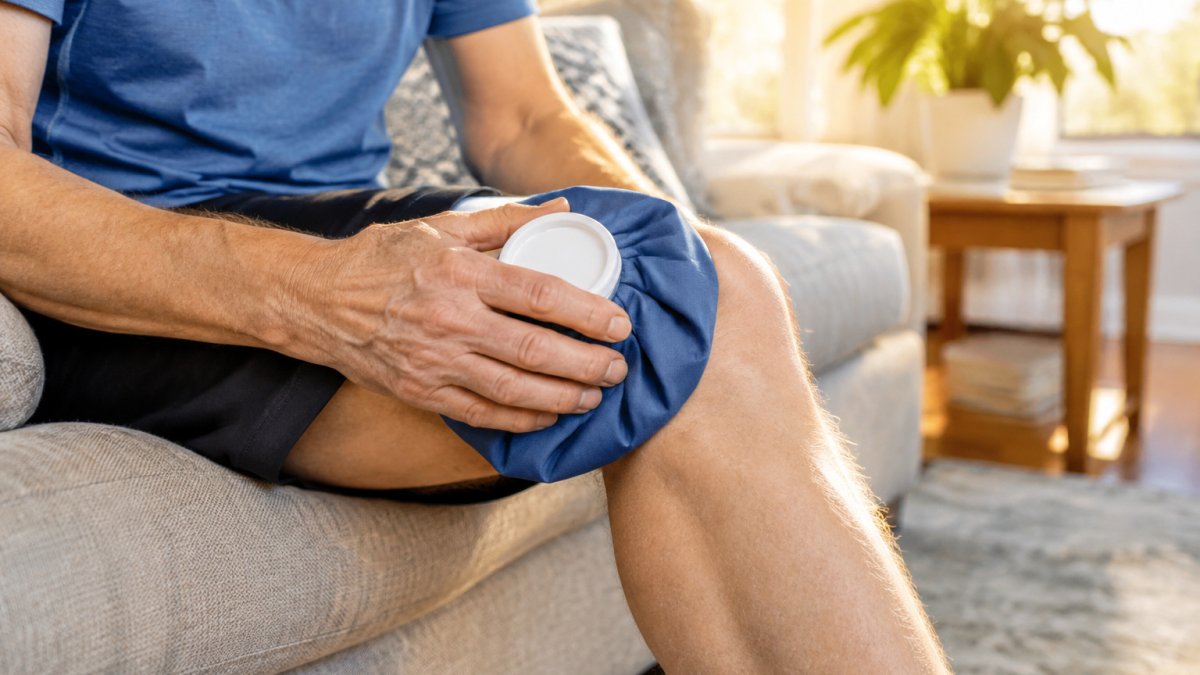
How long should you use cold therapy on a knee?
A common approach is 10 to 15 minutes at a time, with a cloth or towel between the ice pack and the skin, and a break of at least 20 to 30 minutes before reapplying. Check the skin every few minutes for numbness, redness that does not fade, or pale or mottled color, and stop if these appear. Avoid sleeping with ice on the knee. Because knee problems vary widely, a clinician can tell you whether this schedule suits your specific situation.
What is better for joint inflammation, heat or ice?
Ice is generally used in the first one to three days after an acute injury or flare, when swelling and sharp pain are most noticeable. Heat is often preferred for stiffness and muscle tightness, especially for chronic arthritis pain, because it can relax tissue and improve comfort before movement. Some people alternate the two. Choosing well depends on whether the joint is hot and swollen or stiff and achy, so it is worth asking a professional when you are unsure.